Legally Change Last Name UK
Changing your last name is a big decision that can have a significant impact on your life. Whether you are getting married, divorced, or simply want to change your name for personal reasons, it is important to understand the legal process involved in changing your last name in the UK.
The Legal Process

In the UK, changing your last name is a legal process that requires you to follow certain steps. The first step is to obtain a Deed Poll, which is a legal document that proves you have legally changed your name. You can obtain a Deed Poll through a solicitor or a specialist Deed Poll service.
You will need to provide evidence of your identity, such as a passport or driving license, and complete a Deed Poll application form. Once your application has been processed, you will receive your Deed Poll document.
Notification

Once you have your Deed Poll, you will need to notify various government departments and organisations of your name change. This includes the HM Revenue and Customs, the DVLA, and your bank and utility providers.
You may also need to update your name on your passport, driving license, and other official documents. It is important to keep a record of all the organisations you have notified of your name change.
Marriage
If you are getting married and want to change your last name to your partner's name, you can do so through the marriage registration process. When you register your marriage, you can choose to take your partner's last name, keep your own last name, or hyphenate your last names.
If you decide to take your partner's last name, you will not need to obtain a Deed Poll. Your marriage certificate will be sufficient evidence of your name change.
Divorce

If you are getting divorced and want to change your last name back to your maiden name, you can do so through the divorce process. When you apply for your divorce, you can request to have your name changed back to your maiden name.
You will not need to obtain a Deed Poll if you are changing your name back to your maiden name through the divorce process. Your divorce certificate will be sufficient evidence of your name change.
Personal Reasons

If you want to change your last name for personal reasons, such as disliking your current last name, you can do so by obtaining a Deed Poll. You will need to follow the legal process outlined above and notify all relevant organisations of your name change.
It is important to note that you cannot change your last name to avoid legal obligations, such as debts or criminal charges. Doing so is illegal and can result in serious consequences.
Conclusion
Changing your last name in the UK is a legal process that requires you to obtain a Deed Poll and notify various organisations of your name change. Whether you are getting married, divorced, or changing your name for personal reasons, it is important to follow the legal process and keep a record of all the organisations you have notified of your name change.
Related video of Legally Change Last Name UK
Legal Distance Between Speed Limit Signs
Speed limit signs are essential in ensuring road safety. They indicate the maximum speed limit that drivers should adhere to in a specific area. However, have you ever wondered how far apart these signs should be placed? In this article, we will discuss the legal distance between speed limit signs.
What is a speed limit sign?
A speed limit sign is a traffic sign that displays a specific speed limit that drivers must adhere to while driving in a particular area. These signs are often placed along roads to indicate the legal maximum speed limit that drivers should not exceed.
Why is the distance between speed limit signs important?
The distance between speed limit signs is crucial in ensuring that drivers have enough time to adjust their speed as they approach a new speed limit zone. It also helps to prevent confusion and reduce the risk of accidents caused by sudden speed changes.
What is the legal distance between speed limit signs?

The legal distance between speed limit signs varies depending on the speed limit and the road's characteristics. However, in general, speed limit signs should be placed at least every half-mile on rural highways and at least every quarter-mile on urban roads.
Factors that affect the distance between speed limit signs

Several factors affect the distance between speed limit signs, including:
- The curvature of the road
- The presence of intersections, curves, or hills
- The speed limit
- The number of lanes
- The traffic volume
All these factors should be considered when determining the appropriate distance between speed limit signs.
Consequences of failing to comply with speed limit signs
Failure to adhere to speed limit signs can result in various consequences, including:
- Fines and penalties
- Points on your driving record
- Licence suspension
- Increased insurance rates
- Accidents and injuries
Therefore, it's crucial to obey speed limit signs to ensure road safety and avoid these consequences.
The importance of regular speed limit sign maintenance
Regular speed limit sign maintenance is crucial to ensure that the signs are visible and legible. Over time, speed limit signs may become faded, damaged, or obstructed, making it challenging for drivers to read and adhere to them.
Therefore, it's essential to conduct regular speed limit sign inspections and maintenance to ensure that they are in good condition and visible to drivers.
Conclusion
Speed limit signs play a crucial role in ensuring road safety. They indicate the legal maximum speed limit that drivers should adhere to while driving in a particular area. The legal distance between speed limit signs varies depending on several factors, including the speed limit, road characteristics, and traffic volume. Regular speed limit sign maintenance is also crucial to ensure that the signs are visible and legible to drivers.
Related video of Legal Distance Between Speed Limit Signs
Left Hand Steering Cars: A Guide to Driving on the Left
Driving on the left side of the road can be a confusing experience for those who are used to driving on the right. Left-hand steering cars are designed to make this transition easier, but many people still struggle with the change. In this guide, we'll explore the differences between left-hand and right-hand steering, as well as some tips for safely navigating left-hand roads.
What is a Left-Hand Steering Car?

A left-hand steering car is a vehicle that is designed to be driven on the left side of the road. The steering wheel is located on the right-hand side of the car, which allows the driver to sit on the left side and have a clear view of the road ahead. This type of car is common in countries where driving on the left is the norm, such as the United Kingdom, Australia, and Japan.
What are the Differences Between Left-Hand and Right-Hand Steering Cars?

The main difference between left-hand and right-hand steering cars is the location of the steering wheel. In a left-hand steering car, the wheel is on the right-hand side, while in a right-hand steering car, the wheel is on the left-hand side. This affects the way the driver sits and the direction they look when driving.
Another difference is the placement of the pedals. In a left-hand steering car, the pedals are arranged from left to right as clutch, brake, accelerator, while in a right-hand steering car, they are arranged from right to left as accelerator, brake, clutch.
How to Drive a Left-Hand Steering Car?
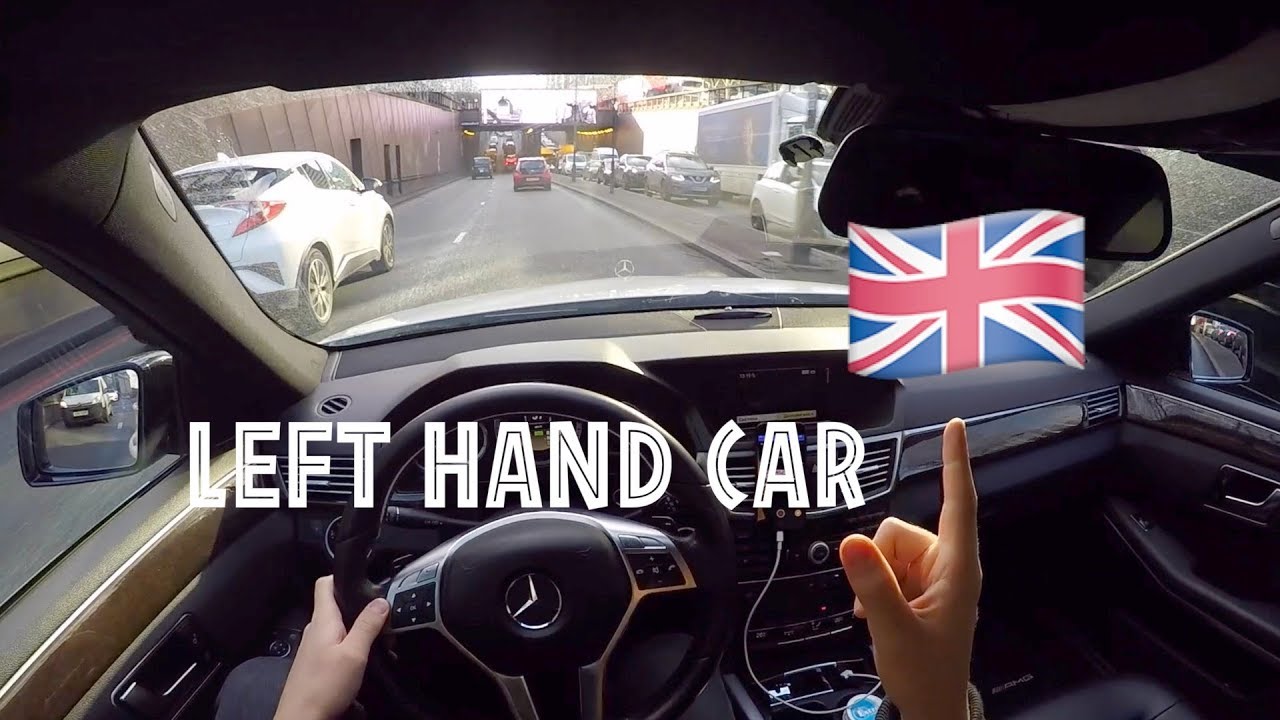
Driving a left-hand steering car can be a bit tricky if you're not used to it, but with practice, it can become second nature. Here are some tips for driving on the left:
- Pay attention to road signs and markings, especially at roundabouts and intersections.
- Stay to the left side of the road.
- Use your left hand for shifting gears and your right hand for operating the turn signal and windshield wipers.
- Remember that the driver's seat is on the right-hand side of the car, so you'll need to adjust your driving accordingly.
- Take your time and drive defensively.
Benefits of Left-Hand Steering Cars?

Left-hand steering cars have several benefits, including:
- Improved visibility of the road ahead
- Easier access to the driver's side of the car when parking on the left-hand side of the road
- More natural left-hand turn signals
- Less chance of accidentally shifting gears with your right hand
Conclusion
Driving a left-hand steering car can be a bit challenging at first, but with practice, it can become second nature. Remember to stay to the left side of the road, use your left hand for shifting gears, and pay attention to road signs and markings. Left-hand steering cars have several benefits, including improved visibility and easier access to the driver's side of the car. If you're planning to drive in a country where driving on the left is the norm, it's important to familiarize yourself with left-hand steering cars before hitting the road.
Related video of Left Hand Steering Cars: A Guide to Driving on the Left
Least Points In NBA Game
The National Basketball Association (NBA) has been around since 1946 and over the years, we have seen some incredible games with high scores and amazing performances. However, there have also been some games where the teams have scored the least amount of points in NBA history.

What is the lowest-scoring NBA game ever?
The lowest-scoring NBA game ever was between the Fort Wayne Pistons and the Minneapolis Lakers on November 22, 1950. The final score of the game was 19-18 in favor of the Fort Wayne Pistons.

Why was the game so low-scoring?
The game was low-scoring because of the way basketball was played back then. The rules were different, and the pace of the game was much slower. Teams would often hold onto the ball for long periods of time, and there was no shot clock to force teams to take shots.

What are some other low-scoring NBA games?
Here are some other low-scoring NBA games:
1. Utah Jazz vs. Chicago Bulls (1999)
The Utah Jazz and Chicago Bulls played a game on January 16, 1999, that ended with a score of 49-45 in favor of the Jazz. This game is known as the lowest-scoring game of the shot clock era.

2. Boston Celtics vs. Milwaukee Bucks (2018)
The Boston Celtics and Milwaukee Bucks played a game on April 3, 2018, that ended with a score of 86-82 in favor of the Celtics. This was the lowest-scoring game of the 2017-2018 NBA season.
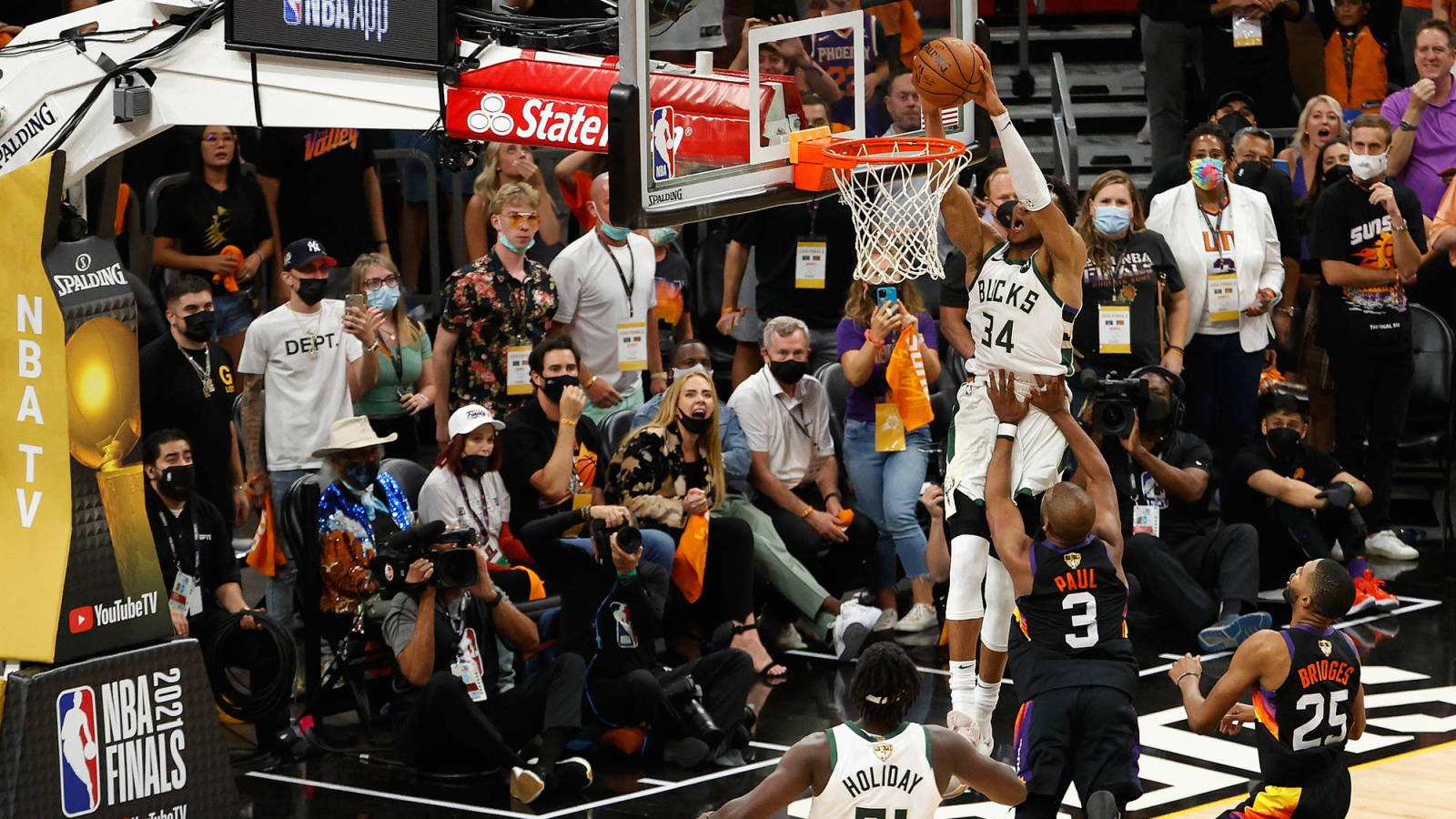
3. Miami Heat vs. Milwaukee Bucks (2020)
The Miami Heat and Milwaukee Bucks played a game on March 2, 2020, that ended with a score of 89-83 in favor of the Heat. This was the lowest-scoring game of the 2019-2020 NBA season.

Why do low-scoring games happen?
Low-scoring games can happen for a variety of reasons. Sometimes, the teams are evenly matched, and the game becomes a defensive battle. Other times, the teams may struggle to make shots, or they may be missing key players due to injury or suspension.
Are low-scoring games bad for the NBA?
Low-scoring games are not necessarily bad for the NBA. While fans may enjoy high-scoring games with lots of excitement, low-scoring games can be just as intense and can showcase the defensive skills of the players.
Conclusion
The NBA has seen its fair share of low-scoring games throughout its history. While these games may not be as exciting as high-scoring games, they can still be intense and showcase the defensive skills of the players.
Related video of Least Points In NBA Game
Lean Mean Fat Grilling Machine

The Lean Mean Fat Grilling Machine, also known as George Foreman Grill, is a kitchen appliance that allows you to cook healthy meals without the need for added oils or fats. It was invented by George Foreman, a former professional boxer, who wanted to make it easier for people to eat healthy and stay fit.
How it Works

The George Foreman Grill works by using a top and bottom grill plate to cook food from both sides at once. The grill plates are angled so that any excess fat or grease drips off into a removable tray, making it easy to dispose of and leaving you with a healthier meal.
The grill also has a non-stick coating that makes it easy to clean and prevents food from sticking to the plates. The temperature can be adjusted to suit different types of food, and the grill can be used to cook everything from steak and chicken to vegetables and sandwiches.
Benefits of Using a George Foreman Grill

One of the main benefits of using a George Foreman Grill is that it allows you to cook healthy meals without the need for added oils or fats. This makes it a great option for those who are trying to lose weight or maintain a healthy diet.
The grill is also quick and easy to use, with most meals taking only a few minutes to cook. It's perfect for those who are short on time but still want to enjoy a home-cooked meal.
Another benefit is that the grill can be used year-round, regardless of the weather outside. It's perfect for those who live in apartments or have limited outdoor space, as it allows them to grill indoors.
Recipes

The George Foreman Grill can be used to cook a wide variety of meals, from breakfast to dinner. Here are a few recipes to get you started:
- Grilled Chicken Breast
- Grilled Salmon
- Grilled Vegetables
- Grilled Cheese Sandwich
- Grilled Pineapple
Cleaning and Maintenance
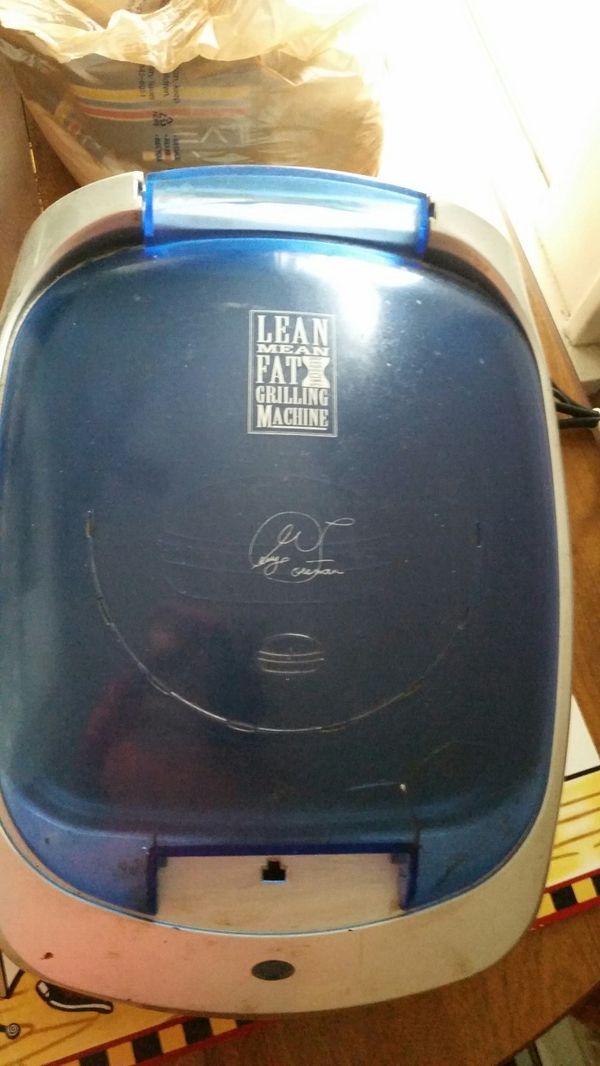
Cleaning and maintaining your George Foreman Grill is easy. The non-stick coating makes it easy to wipe off any excess food, and the grill plates can be removed for more thorough cleaning.
Make sure to clean the removable drip tray after each use, as this will help prevent any buildup of grease or bacteria.
Conclusion
The George Foreman Grill is a great addition to any kitchen, allowing you to cook healthy meals quickly and easily. With its non-stick coating, removable grill plates, and adjustable temperature, it's perfect for grilling everything from steak and chicken to vegetables and sandwiches.
So why not give it a try and see for yourself how easy and delicious healthy cooking can be?