
Introduction
North is a word that is commonly used to describe a direction, but is it a noun? This question has been debated for many years and there is no clear answer. Some people argue that north is a noun because it can be used as the subject of a sentence, while others believe that it is only an adjective or adverb.
What is a Noun?
Before we can determine whether or not north is a noun, we must first understand what a noun is. A noun is a word that names a person, place, thing, or idea. Examples of nouns include dog, city, book, and happiness. Nouns can also be used as the subject of a sentence, the object of a verb, or the object of a preposition.

North as a Noun
Some people argue that north can be used as a noun when it is referring to a specific place or region. For example, "We are going to the North" would be using north as a noun. In this case, north is the name of a place or region and is functioning as a noun.
North as an Adjective or Adverb
Others believe that north is only an adjective or adverb when it is used to describe a direction. For example, "We are heading north" or "The north wind is blowing" would be using north as an adjective or adverb. In these cases, north is describing the direction or the wind and is not functioning as a noun.

North as a Proper Noun
There is also an argument that north can be a proper noun when it is referring to a specific location or entity. For example, "The North Pole" or "North America" would be using north as a proper noun. In these cases, north is the name of a specific location or entity and is functioning as a noun.
Other Directional Words
The debate over whether or not north is a noun is not unique to this word. Other directional words such as south, east, and west have also been argued to be nouns or not. Some linguists believe that these words can be nouns when they are referring to a specific location or region, while others argue that they are only adjectives or adverbs.

The Importance of Parts of Speech
While the debate over whether or not north is a noun may seem trivial, it is important to understand the different parts of speech in order to communicate effectively. Using words in the wrong way can lead to confusion and misunderstanding. By understanding that north is primarily an adjective or adverb, we can use it correctly in our writing and speech.
Conclusion
So, is north a noun? The answer is not clear-cut. While some argue that it can be a noun when referring to a specific location or entity, others believe that it is only an adjective or adverb. Regardless of its classification, it is important to understand the different parts of speech in order to communicate effectively.
Related video of Is North A Noun?
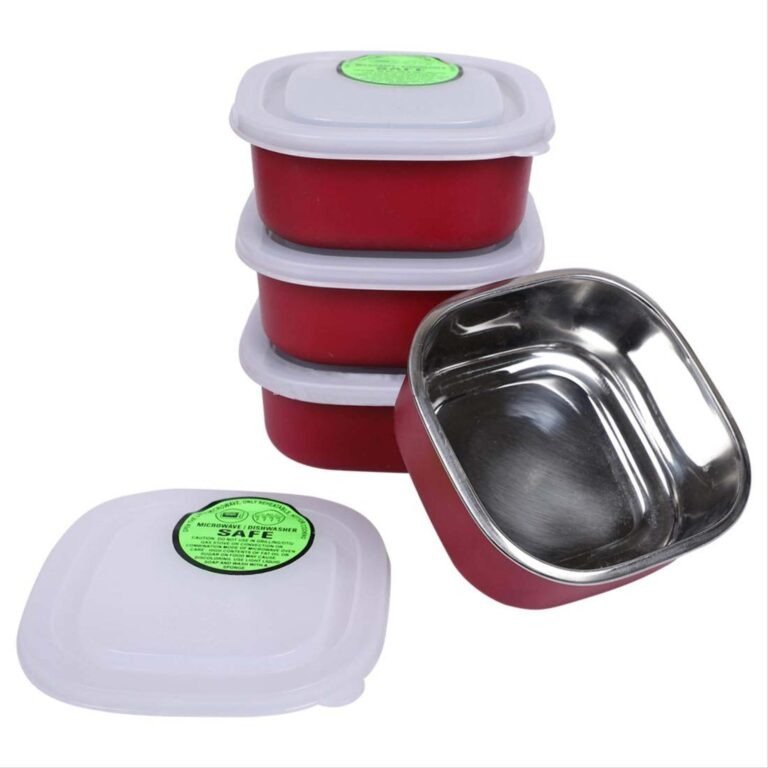
When it comes to using a microwave, there are a lot of questions that come to mind, and one of the most common is whether metal is safe to use inside. You may have heard that putting metal in a microwave can cause serious damage, but is this really true? In this article, we will explore the safety of using metal in a microwave.
What Happens When You Put Metal in a Microwave?
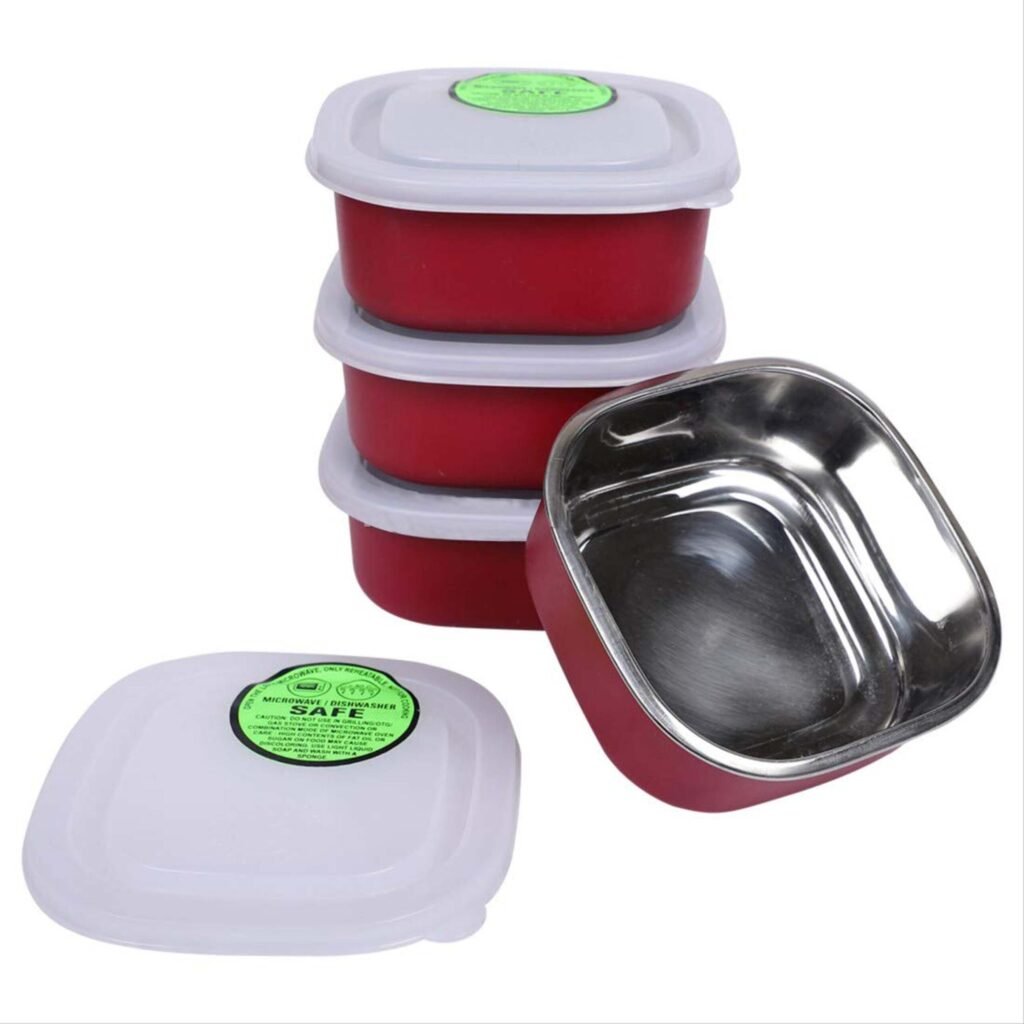
When you put metal in a microwave, a phenomenon called arcing occurs. This is when the microwaves are reflected off the metal, causing sparks and potentially damaging the appliance. The intensity of the arcing and the potential damage that it can cause depend on the shape and size of the metal object, as well as the power of the microwave.
What Types of Metal are Safe to Use in a Microwave?
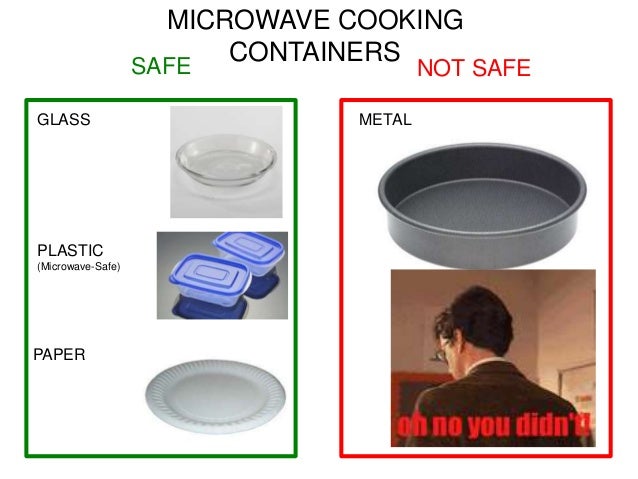
While it is generally not recommended to use metal in a microwave, there are some types of metal that are considered safe. These include:
- Thin sheets of aluminum foil
- Cookware that is labeled as microwave-safe
- Metal utensils that are not too sharp and do not have any protruding parts
However, it is important to note that even these types of metal can cause arcing and potentially damage the microwave. It is always best to err on the side of caution and avoid using metal in the microwave whenever possible.
Why is Metal Generally Not Safe to Use in a Microwave?

The reason why metal is generally not safe to use in a microwave is because of the way microwaves work. Microwaves are a form of electromagnetic radiation that heats up food by vibrating the water molecules inside it. When metal is present in the microwave, the microwaves are reflected off it, causing arcing and potentially damaging the appliance.
What Happens if You Accidentally Put Metal in the Microwave?

If you accidentally put metal in the microwave, it is important to stop the microwave immediately and remove the metal object. Depending on the severity of the arcing, the microwave may have been damaged beyond repair. In some cases, the metal may have caused a fire or even exploded, which can be extremely dangerous. If you are not sure whether your microwave has been damaged, it is best to have it checked by a professional.
What Are Some Alternatives to Using Metal in the Microwave?

If you want to heat up food in the microwave but do not want to use metal, there are several alternatives that you can use instead. These include:
- Microwave-safe glass containers
- Microwave-safe plastic containers
- Paper towels or microwave-safe paper plates
It is important to check the labels of these products to ensure that they are indeed safe for use in the microwave.
Conclusion
While it is generally not recommended to use metal in the microwave, there are some types of metal that are considered safe. However, even these types of metal can cause arcing and potentially damage the appliance. It is always best to err on the side of caution and avoid using metal in the microwave whenever possible. If you accidentally put metal in the microwave, it is important to stop the microwave immediately and remove the metal object. There are several alternatives to using metal in the microwave, including microwave-safe glass and plastic containers, as well as paper towels and microwave-safe paper plates.
Related video of Is Metal Microwave Safe?

Introduction
Matt Stone is a well-known American animator, writer, producer, and voice actor. He is best known as the co-creator of the popular animated television series "South Park" alongside Trey Parker. However, there has been speculation about his sexual orientation, with many people wondering if Matt Stone is gay.
Early Life and Career

Matt Stone was born on May 26, 1971, in Houston, Texas. He attended the University of Colorado Boulder, where he met Trey Parker. The two quickly bonded over their shared love of film and comedy, and they began creating animated shorts together. In 1992, the duo created a Christmas card featuring a character named "Mr. Hankey," which eventually led to the creation of "South Park."
Personal Life and Relationships

Matt Stone is married to Angela Howard, who is a former Comedy Central executive. They tied the knot in 2008 and have two children together. Stone is known for being notoriously private about his personal life and rarely gives interviews about his family or relationships.
Speculation About His Sexual Orientation

Despite being married to a woman, there has been speculation about Matt Stone's sexual orientation for years. Some people believe that he is gay, while others think that he is bisexual. The rumors started in the early days of "South Park," with some viewers interpreting the show's irreverent humor and portrayal of gay characters as a reflection of Stone's own sexuality.
Stone's Response to the Rumors

Despite the persistent rumors about his sexuality, Matt Stone has never publicly addressed the speculation. He has always been notoriously private about his personal life and rarely gives interviews, so it's unclear whether he is gay, straight, or bisexual. Some people believe that Stone's refusal to address the rumors is a tacit admission that they are true, while others think that he simply doesn't want to discuss his private life in public.
Conclusion
In conclusion, there is no definitive answer to the question of whether Matt Stone is gay. Despite the persistent rumors and speculation, Stone has never addressed the rumors publicly, and he is known for being notoriously private about his personal life. Ultimately, his sexual orientation is a private matter, and it's up to him to decide whether he wants to share that information with the public.
Related video of Is Matt Stone Gay?
Introduction
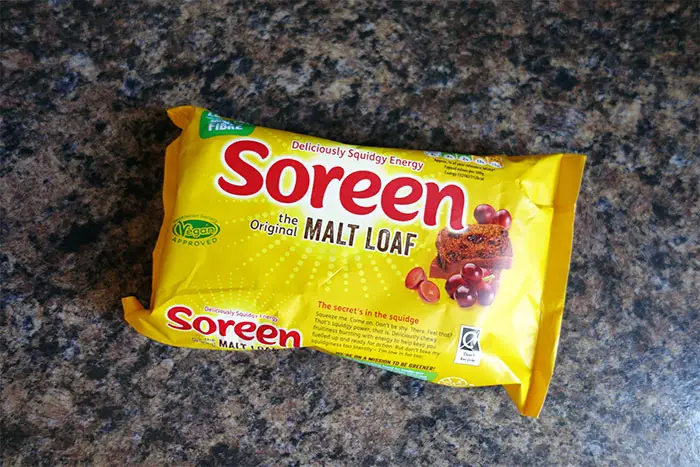
Malt is a common ingredient used in many food and drink products. You may have heard that malt is bad for you, but is it really? In this article, we will explore the health benefits and potential drawbacks of malt consumption.What is Malt?
Malt is a grain that has been sprouted and then dried. It can be made from a variety of grains, including barley, wheat, and rye. Malt is commonly used in the production of beer, whiskey, and malted milkshakes.
Health Benefits of Malt
Malt contains several essential vitamins and minerals, including vitamin B, iron, and magnesium. It is also a good source of dietary fiber. These nutrients can help to support a healthy digestive system, boost energy levels, and improve brain function.Drawbacks of Malt Consumption
As with any food or drink, consuming too much malt can have negative consequences. Malt is high in calories and can contribute to weight gain if consumed in large amounts. It also contains high levels of sugar, which can lead to tooth decay and other health problems.
Malt and Gluten Sensitivity
Malt is often made from barley, which contains gluten. This can be a problem for people with gluten sensitivity or celiac disease. Consuming malt products can cause digestive issues and other symptoms in these individuals.Alternatives to Malt
If you are concerned about the health effects of malt or have a gluten sensitivity, there are several alternatives you can try. These include using non-malt sweeteners like stevia or agave nectar, or using gluten-free grains like quinoa or rice.
Conclusion
So, is malt bad for you? It depends on your individual health needs and dietary restrictions. While malt does offer some health benefits, it is important to consume it in moderation and be aware of any potential negative effects. If you are concerned about the impact of malt on your health, speak to a healthcare professional or registered dietitian.Related video of Is Malt Bad For You?

Pencils are one of the most commonly used writing instruments in the world. They are used for drawing, writing, and sketching. But have you ever wondered what material is used to make the lead in pencils? Many people believe that the lead used in pencils is made of lead metal. However, this is not entirely true.
The Evolution of Pencils

The first pencils were made in the 16th century and were made of graphite, a form of carbon. The graphite was wrapped in string or sheepskin to make it easier to hold. However, the name ‘pencil’ comes from the Latin word ‘penicillus’ which means ‘little tail’ and was used to describe a small brush used for writing.
It wasn’t until the 19th century that pencils started to resemble the ones we use today. The wooden pencil was invented in the 1790s by Nicolas-Jacques Conte. The wood was used to protect the graphite and make it easier to sharpen.
The Truth About Pencil "Lead"

Despite the name, the lead used in pencils is not actually made of lead. Instead, it is made of graphite powder mixed with clay. The clay helps to bind the graphite together and gives it the necessary shape.
The use of graphite in pencils was discovered in the 16th century in Cumbria, England. Graphite was found to be much softer than lead and could be used to create a dark mark on paper.
Why "Lead" is Still Used in the Name

The name ‘lead’ for the material used in pencils actually comes from the fact that lead was used for writing in ancient times. The word ‘plumbago’ was used to describe the black substance that was used for writing. This word is derived from the Latin word ‘plumbum’ which means lead.
When graphite was discovered, it was found to have similar properties to plumbago and was therefore called ‘black lead’. This name stuck and is still used today, despite the fact that there is no actual lead in pencils.
The Dangers of Lead

Lead is a toxic substance that can cause serious health problems if ingested. It can cause damage to the brain and nervous system, as well as other organs in the body. This is why lead-based paint and leaded gasoline have been banned in many countries around the world.
However, the lead used in pencils is not harmful. The graphite and clay mixture used in pencils is completely safe and non-toxic.
The Different Grades of Pencil Lead
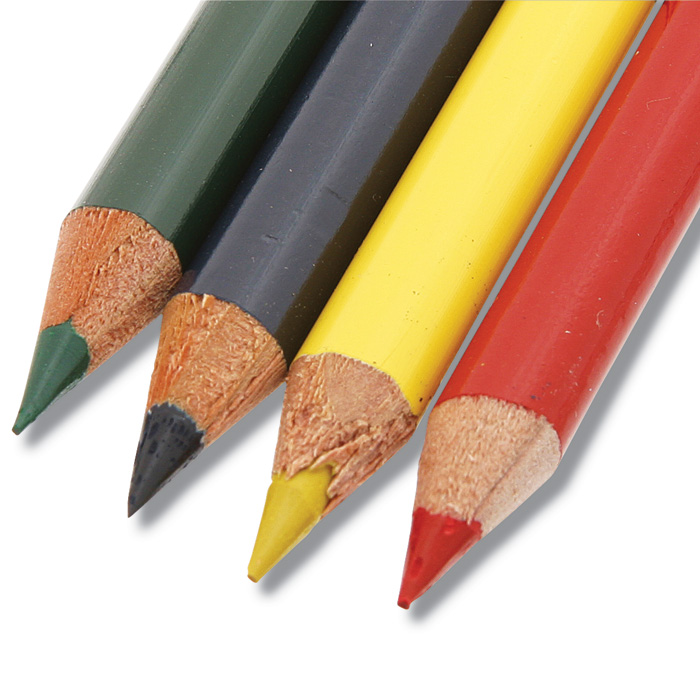
Pencils come in different grades of lead, which are used for different purposes. The grade of the lead refers to how hard or soft it is.
The softest lead is 9B, which is used for sketching and shading. The hardest lead is 9H, which is used for technical drawing and fine details.
Conclusion
Despite the name, lead is not used in pencils. Pencils are made of a mixture of graphite and clay, which is safe and non-toxic. The name ‘lead’ comes from the use of lead in ancient times for writing. Pencils have come a long way since their invention in the 16th century, but they still remain one of the most popular writing instruments in the world today.
Related video of Is Lead Still Used In Pencils?
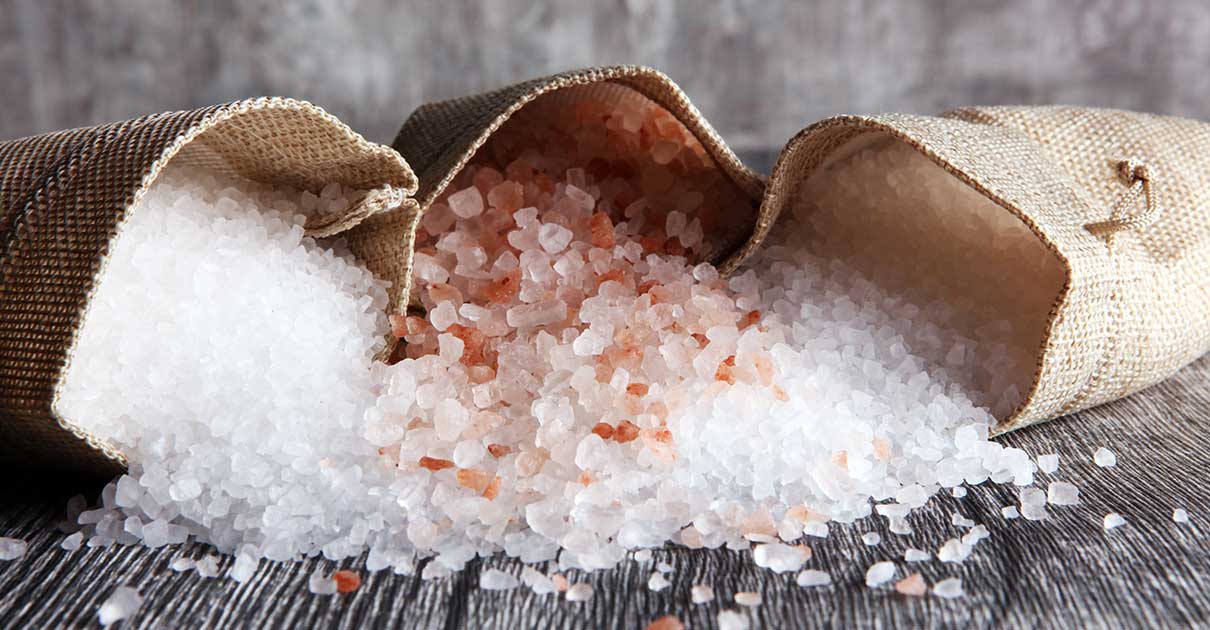
When it comes to cooking, salt is one of the most important ingredients. It enhances the flavor of food and can even bring out the taste of other ingredients. With so many types of salt available, it can be difficult to know which one to choose. One of the most common questions asked by home cooks is whether Kosher salt is the same as sea salt. In this article, we will explore the differences and similarities between these two types of salt.
Kosher Salt

Kosher salt is a type of salt that is commonly used in cooking. It is named after its use in the koshering process of meats, where it is used to draw out blood. Kosher salt is larger and coarser than regular table salt, which makes it easier to pick up and sprinkle on food. It also dissolves quickly, making it a great choice for brining and seasoning meats.
Kosher salt is made from either underground salt deposits or from the evaporation of seawater. However, it is not considered a type of sea salt, as it does not undergo the same harvesting process as sea salt.
Sea Salt
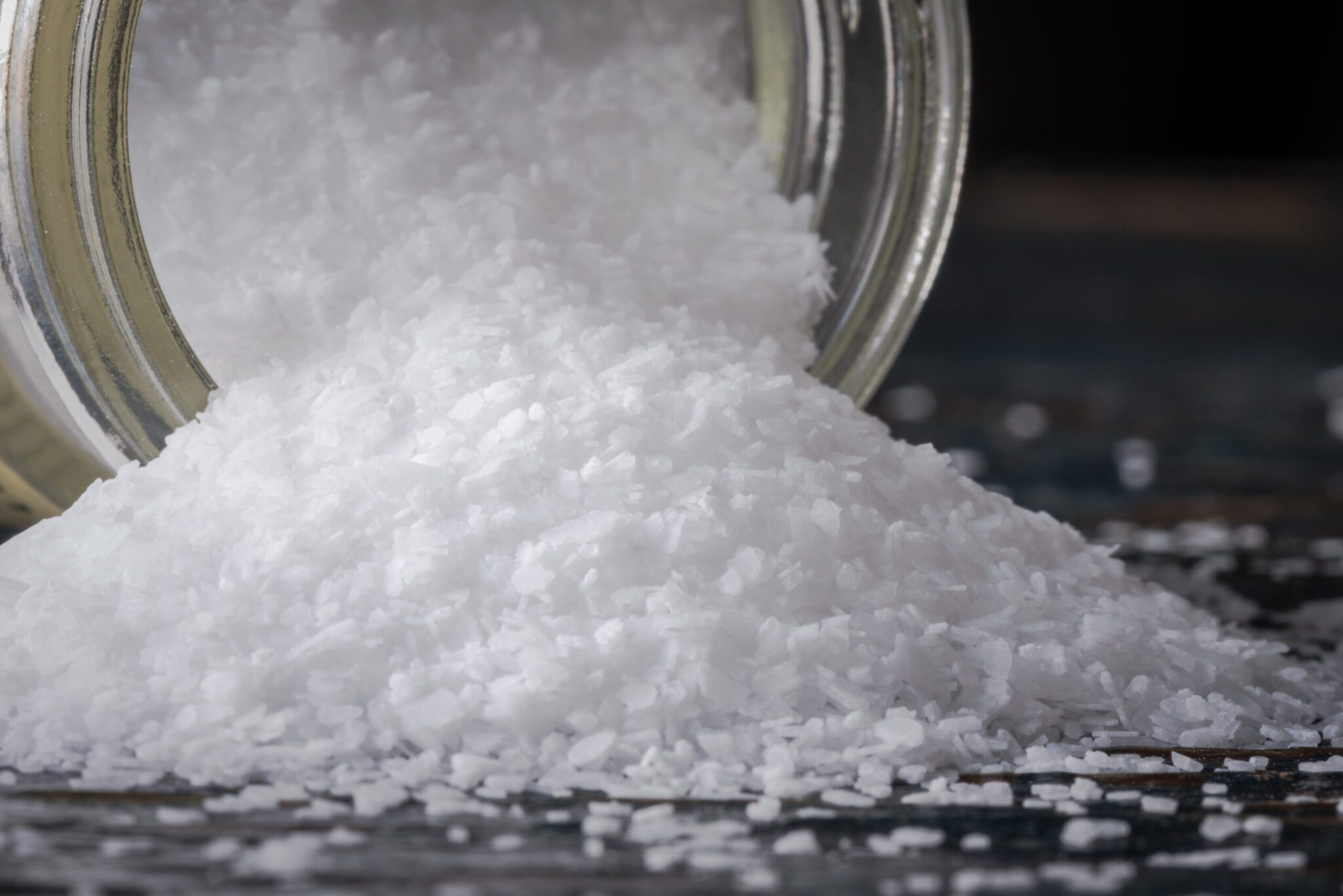
Sea salt is a type of salt that is harvested from evaporated seawater. It is typically more expensive than Kosher salt and has a more complex flavor profile. Sea salt comes in a variety of textures, from fine to coarse, and can range in color from white to gray to pink.
One of the benefits of using sea salt is that it contains trace minerals that are not found in Kosher salt or regular table salt. These minerals can add flavor and health benefits to your food. However, the amounts of these minerals are usually very small and may not make a significant difference to your health.
Is Kosher Salt Sea Salt?

While Kosher salt and sea salt are both types of salt, they are not the same thing. Kosher salt is made from either underground salt deposits or from the evaporation of seawater, but it does not undergo the same harvesting process as sea salt. Sea salt is harvested from evaporated seawater and often contains trace minerals not found in Kosher salt.
That being said, Kosher salt can be used in place of sea salt in most recipes. The larger crystals of Kosher salt can give a nice crunch to dishes and its quick dissolving nature makes it great for seasoning meats. However, if you are looking for a more complex flavor profile or want to add trace minerals to your food, sea salt may be a better choice.
Conclusion
In conclusion, Kosher salt and sea salt are two different types of salt with distinct textures and flavors. While Kosher salt is not considered a type of sea salt, it can be used in place of sea salt in most recipes. Ultimately, the choice between Kosher salt and sea salt comes down to personal preference and the specific recipe you are making.
Related video of Is Kosher Salt Sea Salt?

Johnny Appleseed, also known as John Chapman, is a well-known figure in American folklore. He is often portrayed as a kind and gentle man who traveled the country planting apple trees and spreading goodwill wherever he went. But is Johnny Appleseed a real person?
The Legend of Johnny Appleseed

The legend of Johnny Appleseed has been passed down for generations. According to the story, John Chapman was born in Massachusetts in 1774 and became a nurseryman. He traveled westward, planting apple trees in Illinois, Indiana, Kentucky, Pennsylvania, and Ohio. He would often give the trees away for free, and he became known for his kindness and generosity.
Johnny Appleseed is often depicted wearing a pot on his head, carrying a sack of apple seeds, and accompanied by a wolf or other animals. He is said to have lived a simple and solitary life, sleeping outdoors and living off the land.
Historical Evidence

Despite the enduring legend of Johnny Appleseed, there is some historical evidence to support the fact that he was a real person. John Chapman was born in Massachusetts in 1774, and he did become a nurseryman who traveled westward in the late 1700s and early 1800s.
While there is no definitive proof that John Chapman was the same person as Johnny Appleseed, there are records of his travels and his work as a nurseryman. He is known to have planted apple trees in Ohio and Indiana, and he did give away trees for free.
The Legacy of Johnny Appleseed

Whether or not Johnny Appleseed was a real person, his legacy has endured. He has become a symbol of American folklore, representing kindness, generosity, and stewardship of the land.
Today, there are many monuments and statues dedicated to Johnny Appleseed, and his name has been used in advertising and pop culture. His story continues to inspire generations of Americans, and his love of nature and his fellow human beings lives on.
In Conclusion
So, is Johnny Appleseed a real person? While there is no definitive proof that he was the same person as John Chapman, there is historical evidence to suggest that he was real. Regardless of his true identity, the legend of Johnny Appleseed has endured and continues to inspire people today.

Related video of Is Johnny Appleseed A Real Person?

Introduction
When it comes to relationships, there are many different opinions on what is acceptable or not. One question that often comes up is whether it's acceptable to sleep with your second cousin. In this article, we'll explore this topic in-depth and look at the different perspectives on the issue.
What is a Second Cousin?
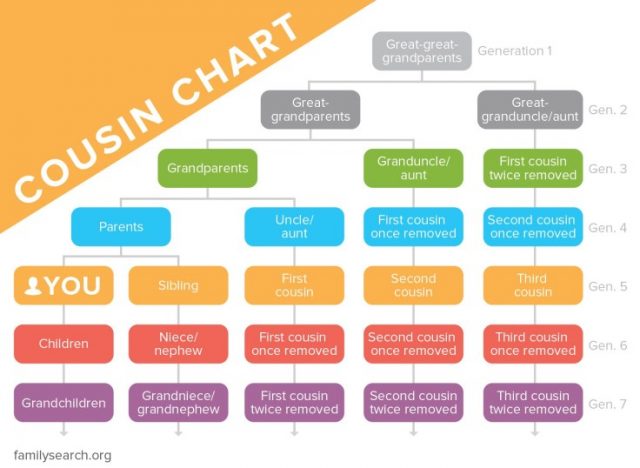
Before we delve deeper into the topic, it's important to understand what a second cousin is. A second cousin is the child of your parent's cousin. In other words, your second cousin is the grandchild of your great-aunt or great-uncle.
The Genetics of Second Cousin Relationships

One of the main concerns about sleeping with a second cousin is the potential for genetic issues. When two people who are closely related have children, there is an increased risk of genetic abnormalities. However, the risk is still relatively low for second cousins. According to experts, the risk of genetic problems is only slightly higher than that of the general population.
Religious Perspectives

Many religions have rules and guidelines regarding relationships and marriage. In some religions, it is considered taboo to marry or engage in sexual activities with a second cousin. For example, the Catholic Church forbids marriages between first and second cousins. In other religions, such as Judaism and Islam, it is allowed to marry a second cousin.
Cultural Perspectives

Cultural attitudes towards second cousin relationships vary widely around the world. In some cultures, such as those found in parts of the Middle East and Africa, it is common for second cousins to marry. In other cultures, such as those found in North America and Europe, it is generally frowned upon.
Social Stigma

Regardless of the genetics, religion, or culture involved, there is often a social stigma associated with sleeping with a second cousin. In many societies, it is considered taboo or even immoral. The social repercussions of engaging in such a relationship can be significant, ranging from ostracism to legal consequences.
The Legal Perspective
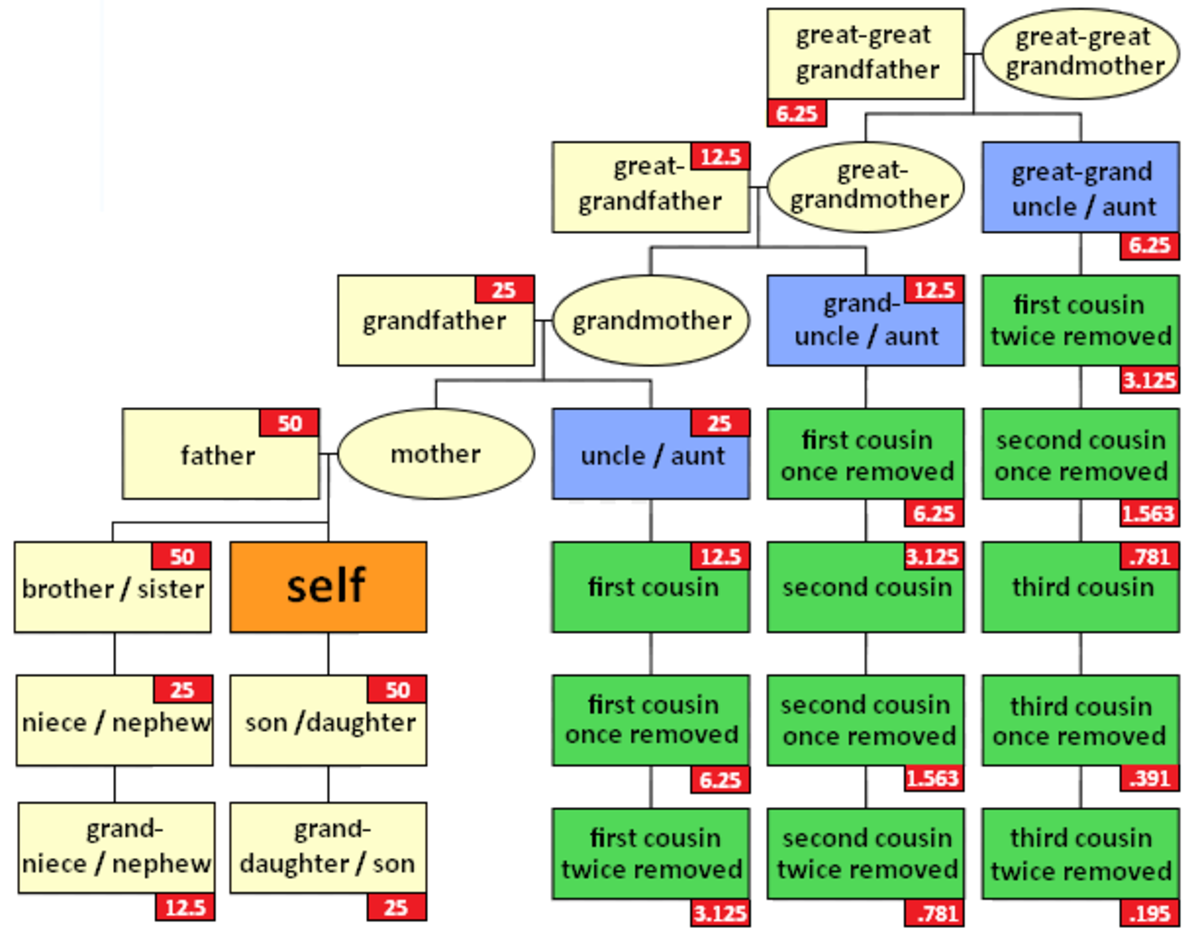
The legality of sleeping with a second cousin varies depending on the country and state. In some places, it is legal to marry a second cousin, while in others, it is not. In some countries, such as China and Taiwan, it is illegal to have sexual relations with a second cousin.
Personal Decisions

Ultimately, the decision to sleep with a second cousin is a personal one. While there may be genetic or social concerns, there are also many factors that can influence one's decision. These may include cultural and religious beliefs, personal values, and individual circumstances.
The Bottom Line

So is it wrong to sleep with your second cousin? The answer is not a simple one. It depends on a variety of factors, including genetics, religion, culture, social attitudes, and personal beliefs. Ultimately, the decision is up to the individuals involved.
Conclusion
While there may be no clear answer to the question of whether it's wrong to sleep with your second cousin, it's important to consider all the factors involved before making a decision. By understanding the genetics, religious and cultural perspectives, social stigma, legal implications, and personal values, individuals can make an informed decision that is right for them.
Related video of Is It Wrong To Sleep With Your Second Cousin?

Raw honey is a popular natural sweetener that is often used in recipes, drinks, and as a topping for foods like yogurt and oatmeal. However, some people may be hesitant to consume raw honey due to concerns about its safety. In this article, we will explore the potential risks and benefits of eating raw honey.
What is Raw Honey?

Raw honey is honey that has not been processed, filtered or heated. It is pure honey that is taken straight from the hive and contains pollen, propolis, and beeswax. This type of honey is often cloudy or opaque in appearance and has a thicker texture compared to processed honey.
The Benefits of Raw Honey

Raw honey has several potential health benefits. It contains antioxidants, vitamins, and minerals that can boost overall health. It also has antibacterial and antimicrobial properties that can help fight infections and boost the immune system. Raw honey may also help soothe sore throats and coughs.
Potential Risks of Raw Honey

While raw honey has many potential benefits, there are also some risks associated with consuming it. Raw honey can contain harmful bacteria and toxins that can cause food poisoning or other health problems. It can also trigger allergic reactions in some people, especially those with pollen allergies.
Who Should Avoid Raw Honey?

People who have a weakened immune system or are pregnant should avoid consuming raw honey. Infants under the age of one should also avoid consuming raw honey due to the risk of botulism. Those with pollen allergies should also be cautious when consuming raw honey, as it may trigger an allergic reaction.
How to Safely Consume Raw Honey

If you choose to consume raw honey, it is important to do so safely. Make sure to purchase your honey from a reputable source and check the label to ensure that it is raw and unprocessed. You can also heat the honey to kill any harmful bacteria or toxins. However, be careful not to overheat the honey as this can destroy its beneficial properties.
The Bottom Line

Raw honey can be a healthy and delicious addition to your diet, but it is important to consume it safely. Be aware of the potential risks and benefits of consuming raw honey, and make sure to purchase it from a reputable source. If you have any concerns or questions, consult with your healthcare provider.