
Humpty Dumpty is a popular nursery rhyme that has been entertaining children for generations. It is a simple rhyme that tells the story of a clumsy egg who falls off a wall and breaks into pieces. The rhyme has been adapted into various forms, including books, movies, and songs.
The Origin of Humpty Dumpty
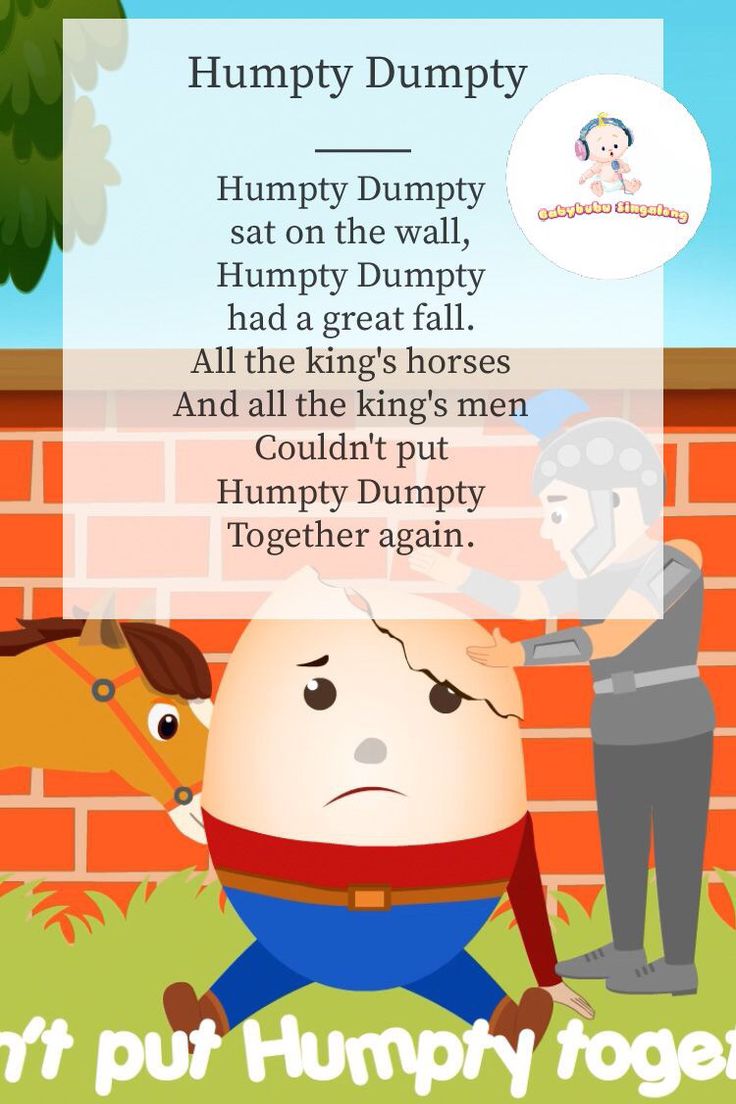
The origins of Humpty Dumpty are uncertain, although it is believed to have originated in the early 19th century. Some people believe that it was based on the English Civil War of the 17th century, where a cannon named Humpty Dumpty fell from a wall and was damaged beyond repair.
Others believe that it was a riddle that was meant to be a nonsensical answer to a question. Despite its unclear origins, Humpty Dumpty has become a popular nursery rhyme that is beloved by children all over the world.
The Lyrics of Humpty Dumpty

The lyrics of Humpty Dumpty are simple and easy to remember. Here are the words to the rhyme:
Humpty Dumpty sat on a wall,
Humpty Dumpty had a great fall.
All the king's horses and all the king's men
Came to Humpty Dumpty's aid,
But they couldn't put Humpty together again.
The rhyme has a catchy tune that children can easily sing along to. It is a fun and entertaining way to introduce children to the world of nursery rhymes.
The Meaning of Humpty Dumpty

Humpty Dumpty is a nonsensical rhyme that does not have a clear meaning. Some people believe that it is a cautionary tale about the dangers of pride and arrogance, while others think that it is simply a fun and entertaining rhyme for children.
Regardless of its meaning, Humpty Dumpty has become an iconic nursery rhyme that is loved by children all over the world.
Variations of Humpty Dumpty

Humpty Dumpty has been adapted into various forms over the years. It has been turned into a popular children's book, a movie, and even a song. There are also many variations of the rhyme, including:
Humpty Dumpty sat on a wall,
Humpty Dumpty had a great fall.
Four-score men and four-score more,
Could not make Humpty Dumpty where he was before.
Humpty Dumpty sat on a wall,
Humpty Dumpty had a great fall.
Threescore men and threescore more,
Could not place Humpty as he was before.
Humpty Dumpty sat on a wall,
Humpty Dumpty had a great fall.
Not all the king's horses and not all the king's men,
Could put Humpty together again.
These variations add to the charm and appeal of the nursery rhyme and make it even more enjoyable for children to sing and recite.
The Educational Value of Humpty Dumpty

Humpty Dumpty is not just a fun and entertaining nursery rhyme, but it also has educational value. It helps young children develop their language skills, including comprehension, vocabulary, and phonological awareness.
Reciting nursery rhymes like Humpty Dumpty can also help children develop a love of reading and learning. It improves their memory and cognitive skills, as well as their social and emotional development.
Conclusion
Humpty Dumpty is a timeless nursery rhyme that has been entertaining children for generations. Its catchy tune, simple lyrics, and fun storyline make it an all-time favorite among children and adults alike. Whether you are singing it with your children, reciting it to your grandchildren, or simply enjoying it on your own, Humpty Dumpty is a charming and beloved nursery rhyme that will continue to captivate audiences for years to come.
Related video of Humpty Dumpty Rhymes Lyrics: An All-Time Favorite Nursery Rhyme

Humpty Dumpty is a famous nursery rhyme character who fell off a wall and couldn't be put back together again. But what if this was not just a simple rhyme, but an actual event that happened in real life? Let's explore the possibilities of Humpty Dumpty in real life.
Who Was Humpty Dumpty?

Humpty Dumpty is a character from the famous nursery rhyme that dates back to 18th century England. The rhyme speaks of Humpty Dumpty, an egg-shaped character who sat on a wall, had a great fall, and couldn't be put back together again.
Although the rhyme is popular all around the world, nobody knows for sure who Humpty Dumpty really was or what he represented. Some people believe that Humpty Dumpty was a cannon that fell off a wall during the English Civil War in the 1600s. Others believe that it was a reference to King Richard III, who was defeated in the Battle of Bosworth Field in 1485.
What If Humpty Dumpty Was A Real Person?

If Humpty Dumpty was a real person, then the nursery rhyme takes on a whole new meaning. It could be a cautionary tale about the dangers of sitting on high walls or a tragic story of a person who couldn't be saved after a terrible fall.
Humpty Dumpty could have been a construction worker who was working on a high-rise building and fell off the scaffolding. He could have been a daredevil who was attempting a dangerous stunt on a tall building. He could have been a victim of a freak accident that nobody could have foreseen.
Could Humpty Dumpty Have Been Saved?

The most tragic part of the nursery rhyme is that Humpty Dumpty couldn't be put back together again. But in real life, could he have been saved?
It depends on the severity of his injuries and the medical technology available at the time. If Humpty Dumpty only suffered from broken bones and internal injuries, he could have been saved with proper medical attention. However, if he suffered from severe head trauma or damage to his vital organs, it's unlikely that he could have survived.
What Can We Learn From Humpty Dumpty?
Whether Humpty Dumpty was a real person or just a nursery rhyme character, there are important lessons that we can learn from his story.
Firstly, we should be careful when sitting or standing on high walls or buildings. Accidents can happen, and it's better to be safe than sorry.
Secondly, we should appreciate the advancements in medical technology that allow us to treat injuries that were once considered fatal. We should be grateful for the doctors and nurses who work tirelessly to save lives.
Lastly, we should remember that life is fragile and can be taken away in an instant. We should cherish the time we have with our loved ones and make the most of every moment.
Conclusion
Humpty Dumpty may be just a nursery rhyme character, but his story has captured the imagination of generations. Whether he was a real person or not, his tale serves as a cautionary reminder of the dangers of high places and the fragility of life.
Related video of Humpty Dumpty In Real Life
Humpty Dumpty is a popular nursery rhyme that has been around for centuries. It is a fun and entertaining poem that children love to recite. In this article, we will provide you with the full poem lyrics of Humpty Dumpty in relaxed English language.
The Full Poem Lyrics
Humpty Dumpty sat on a wall,
Humpty Dumpty had a great fall;
All the king's horses and all the king's men
Couldn't put Humpty together again.
Humpty Dumpty sat on a wall,
Humpty Dumpty had a great fall;
All the king's horses and all the king's men
Couldn't put Humpty together again.

He gave a loud shout and cried out in pain,
And all the king's horses and all the king's men,
Couldn't put Humpty together again.
The History of Humpty Dumpty

Humpty Dumpty was first published in 1810 in a book called "Juvenile Amusements". It is believed that the poem was originally a riddle, and that Humpty Dumpty was a personification of a large cannon that was used during the English Civil War.
During the war, the cannon was placed on a wall and was hit by enemy fire, causing it to fall and break into pieces. The soldiers trying to fix it were unsuccessful, and so the phrase "all the king's horses and all the king's men" came into being.
The Meaning of Humpty Dumpty

There are many interpretations of the meaning behind Humpty Dumpty. Some believe that it is a political satire, while others think that it is simply a fun poem for children to recite.
One interpretation suggests that Humpty Dumpty represents King Richard III, who was defeated in battle and was unable to be put back together again. Another interpretation suggests that it represents the downfall of Cardinal Wolsey, who was an advisor to King Henry VIII.
The Significance of Humpty Dumpty Today
Today, Humpty Dumpty is a popular nursery rhyme that is loved by children all over the world. It is often used as a teaching tool for young children to learn about rhythm and rhyme.
Humpty Dumpty has also been referenced in popular culture, including in Lewis Carroll's "Through the Looking Glass" and in the animated movie "Puss in Boots".
Conclusion
Humpty Dumpty is a timeless classic that has been enjoyed by generations of children. The poem has a rich history and many different interpretations, but it remains a fun and entertaining rhyme that children love to recite.
Related video of Humpty Dumpty Full Poem Lyrics

Have you ever wondered how fast your nails grow? Well, the rate of nail growth can vary depending on several factors such as age, genetics, and health conditions. In this article, we will discuss the average nail growth rate, what affects nail growth, and how to promote healthy nail growth.
What is the Average Nail Growth Rate?
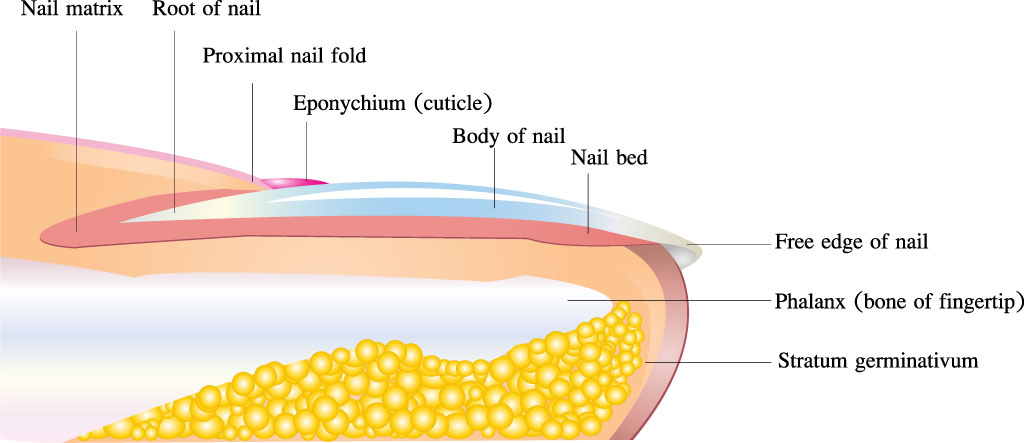
The average nail growth rate is about 3.5 millimeters (mm) per month or 0.1 mm per day. However, the rate can vary depending on the individual's age and health. Younger people tend to have faster nail growth rates than older individuals. Nails on the dominant hand also grow faster than the non-dominant hand.
Factors Affecting Nail Growth
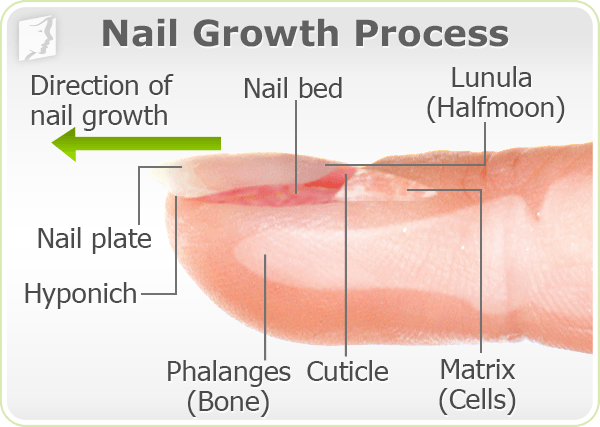
Several factors can affect the growth rate of nails. Genetics is one of the most significant factors. Some people have naturally faster nail growth rates than others. Certain health conditions such as thyroid problems, anemia, and malnutrition can also affect nail growth. Environmental factors such as exposure to water and chemicals can weaken nails, leading to slower growth.
How to Promote Healthy Nail Growth

To promote healthy nail growth, it is essential to maintain good nail hygiene. Keep your nails clean and dry, and avoid biting or picking at them. Use nail polish and remover sparingly, as they can weaken nails. A balanced diet that includes protein, vitamins, and minerals is also crucial for healthy nail growth.
Regular manicures and pedicures can also promote healthy nail growth. During a manicure or pedicure, the nail technician can trim and file the nails, removing any rough edges that can lead to breakage. They can also apply moisturizing treatments to keep nails strong and healthy.
The Bottom Line

The average nail growth rate is about 3.5 mm per month, but can vary depending on several factors such as age, genetics, and health conditions. To promote healthy nail growth, maintain good nail hygiene, eat a balanced diet, and consider regular manicures and pedicures.
Related video of Human Nail Growth Rate

The Dangers of Space Without a Suit
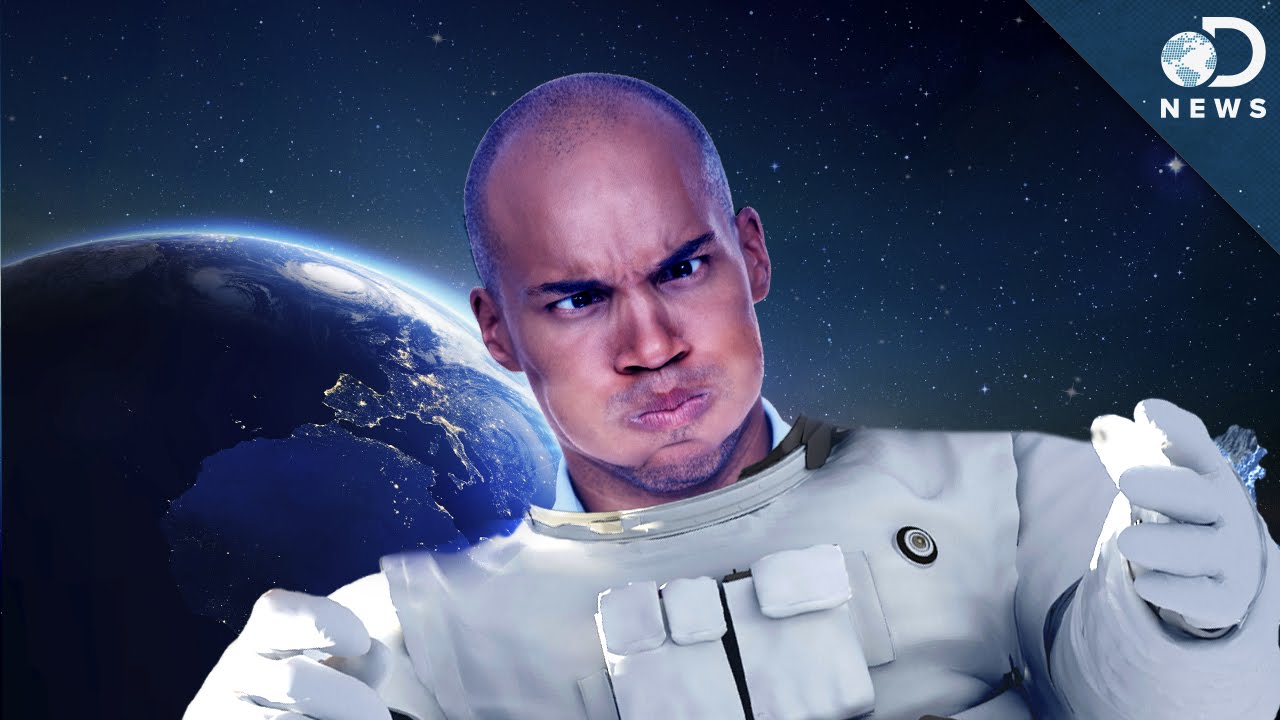
Space is an incredibly hostile environment for human beings without the proper protection. Without a spacesuit, a person's body would be exposed to a vacuum, extreme temperatures, and dangerous radiation. The vacuum of space would cause the gases in a person's body to expand rapidly, leading to a rapid and painful death. The extreme temperatures would also be fatal, with the sun's heat causing severe burns and the coldness of space leading to hypothermia.

The Effects of Radiation
Radiation is another significant danger that a person would face in space without a suit. The harsh radiation in space can cause severe damage to a person's DNA, leading to a high risk of cancer and other diseases. In addition, radiation can cause damage to a person's central nervous system, leading to impaired cognitive function and other neurological problems.

The Impact on Breathing
Without a spacesuit, a person's lungs would also face significant challenges. The vacuum of space would cause the air in a person's lungs to expand rapidly, leading to a loss of consciousness within seconds. In addition, the lack of pressure in space would make it impossible for a person to exhale, leading to a buildup of carbon dioxide in the body and ultimately leading to suffocation.

The Reality of Space Travel
Despite the many dangers of space without a suit, space travel remains a reality for many people. Astronauts and cosmonauts are highly trained individuals who undergo rigorous physical and mental training to prepare for the challenges of spaceflight. They wear specialized suits that provide them with the protection they need to survive in the harsh environment of space.

The Importance of Space Suits
Space suits are critical pieces of equipment for anyone venturing into space. They provide the wearer with the necessary protection from the vacuum of space, extreme temperatures, and radiation. They also provide a source of oxygen, allowing the wearer to breathe while outside the spacecraft or space station. Without these suits, space travel would be impossible.
The Future of Space Exploration
As technology continues to advance, the possibilities for space travel are becoming more extensive. Private companies are developing new spacecraft and technologies that could make space travel more accessible to the general public. However, even with these advancements, the importance of spacesuits will remain a critical aspect of space travel.

The Bottom Line
Space is a hostile environment that poses many dangers to human beings. Without a suit, a person would not be able to survive for long in the vacuum of space. The extreme temperatures, radiation, and other hazards would quickly lead to a painful and fatal outcome. For anyone interested in space travel, it is essential to understand the importance of spacesuits and the many challenges that come with venturing beyond Earth's atmosphere.
Related video of What Happens to the Human Body in Space Without a Suit?

In the world of Disney, there are many famous characters that have captured the hearts of millions of children and adults alike. One of the most beloved trios of all time is Huey, Lewy, and Dewy, the three mischievous ducks that are known for their playful antics and fun-loving personalities.
The Origins of Huey, Lewy, and Dewy

The trio first appeared in a comic strip in 1937, and they were created by the legendary Walt Disney himself. The three ducks were based on the nephews of Donald Duck, and they quickly became fan favorites because of their playful personalities and their ability to cause trouble wherever they went.
Over the years, Huey, Lewy, and Dewy have appeared in countless Disney cartoons, movies, and comic books. They have become iconic characters in the world of Disney, and they are loved by children and adults all over the world.
Huey, Lewy, and Dewy's Personalities

One of the reasons why Huey, Lewy, and Dewy are so popular is because of their unique personalities. Huey is the oldest of the three, and he is known for being the natural leader of the group. He is responsible and dependable, and he always tries to do the right thing.
Lewy is the middle duck, and he is known for being the mischievous one. He loves to play pranks on his brothers and on other characters in the Disney universe. He is always looking for a good time and is never afraid to take risks.
Dewy is the youngest of the three, and he is known for being the most sensitive and emotional duck. He is always in touch with his feelings, and he is always there to offer support to his brothers when they need it.
Huey, Lewy, and Dewy's Adventures

Throughout the years, Huey, Lewy, and Dewy have gone on many adventures in the world of Disney. They have been on treasure hunts, solved mysteries, and even saved the world from evil villains.
One of the most famous adventures of the trio is when they went on a treasure hunt with their uncle Scrooge McDuck. The adventure took them all over the world, and they encountered many obstacles along the way. However, they persevered, and in the end, they found the treasure that they had been searching for.
The Legacy of Huey, Lewy, and Dewy

The legacy of Huey, Lewy, and Dewy is a testament to the enduring popularity of Disney characters. They have been loved by generations of fans, and their popularity shows no signs of slowing down.
Today, you can find Huey, Lewy, and Dewy merchandise in stores all over the world. From t-shirts to plush toys, these three ducks continue to be a beloved part of the Disney universe.
Conclusion
Huey, Lewy, and Dewy are three of the most beloved characters in the world of Disney. Their playful personalities and mischievous antics have captured the hearts of millions of fans all over the world. Their legacy is a testament to the enduring popularity of Disney characters, and they will continue to be loved by generations of fans to come.
Related video of Huey, Lewy, and Dewy: The Famous Trio Ducks of Disney
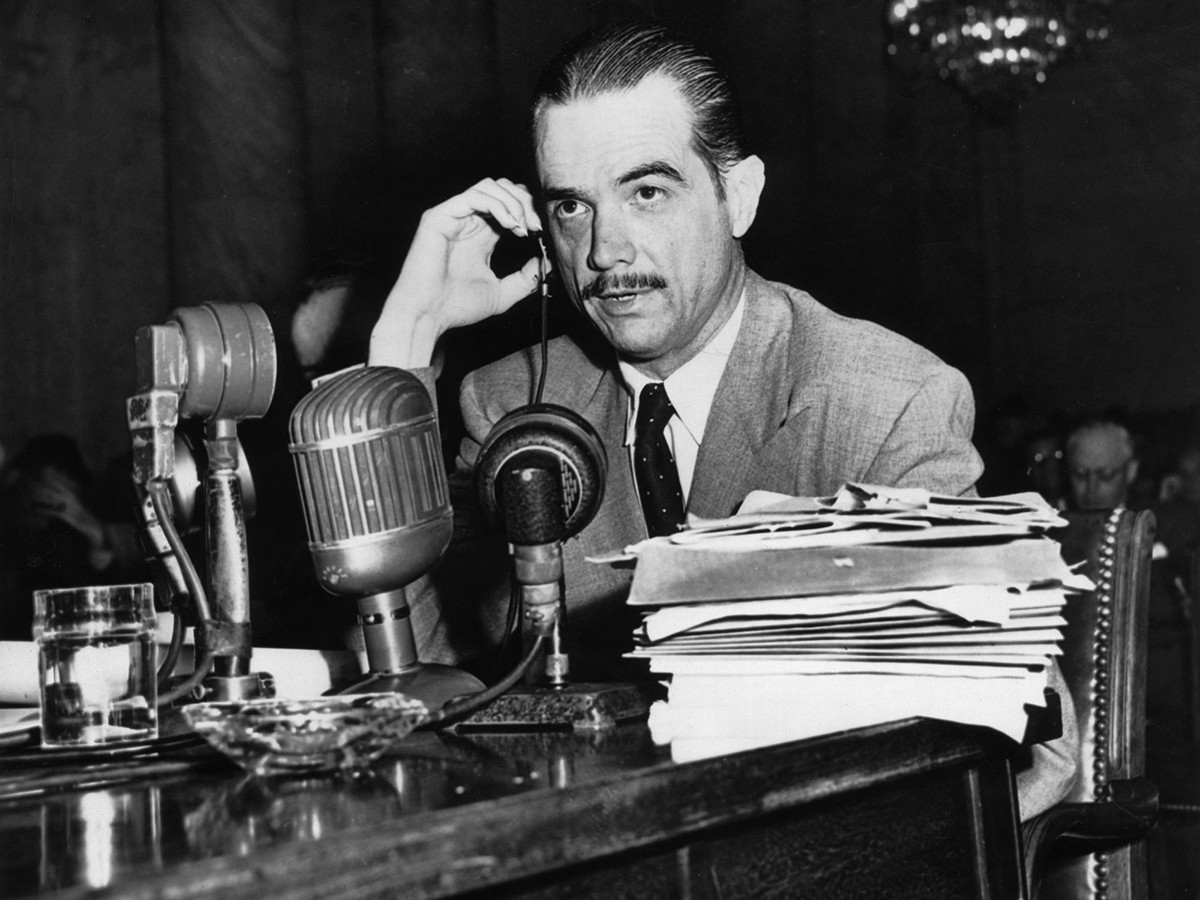
Who was Howard Hughes?
Howard Hughes was an American business magnate, investor, and aviator who was one of the wealthiest people in the world during his lifetime. He was also known for his eccentric behavior and suffered from Obsessive-Compulsive Disorder (OCD).

What is OCD?
OCD is a mental disorder characterized by unwanted, intrusive thoughts and repetitive behaviors or mental acts that the person feels driven to perform. It can have a significant impact on a person's quality of life and may interfere with daily activities.

Howard Hughes and his OCD
Howard Hughes' OCD manifested itself in various ways, including his obsession with cleanliness and hygiene. He was known to spend hours washing his hands and would only eat food that he prepared himself in order to avoid contamination.
He also had a fear of germs and would avoid contact with anyone he believed to be sick. This led to him becoming increasingly isolated and reclusive in his later years.

Howard Hughes and his aviation career
Despite his struggles with OCD, Howard Hughes was a successful aviator and made significant contributions to the aviation industry. He set numerous records and was responsible for the design and development of several groundbreaking aircraft.

Howard Hughes' later years
In his later years, Howard Hughes' OCD became increasingly severe, and he became more reclusive and isolated. He was known to spend days in his room without leaving and would communicate with the outside world through memos or telephone calls.
He also became addicted to painkillers and other medications, which may have exacerbated his mental health issues. Howard Hughes passed away in 1976 at the age of 70.

Howard Hughes' legacy
Despite his struggles with OCD, Howard Hughes left behind a lasting legacy as a business magnate, aviator, and innovator. His contributions to the aviation industry and his impact on popular culture continue to be celebrated today.
Conclusion
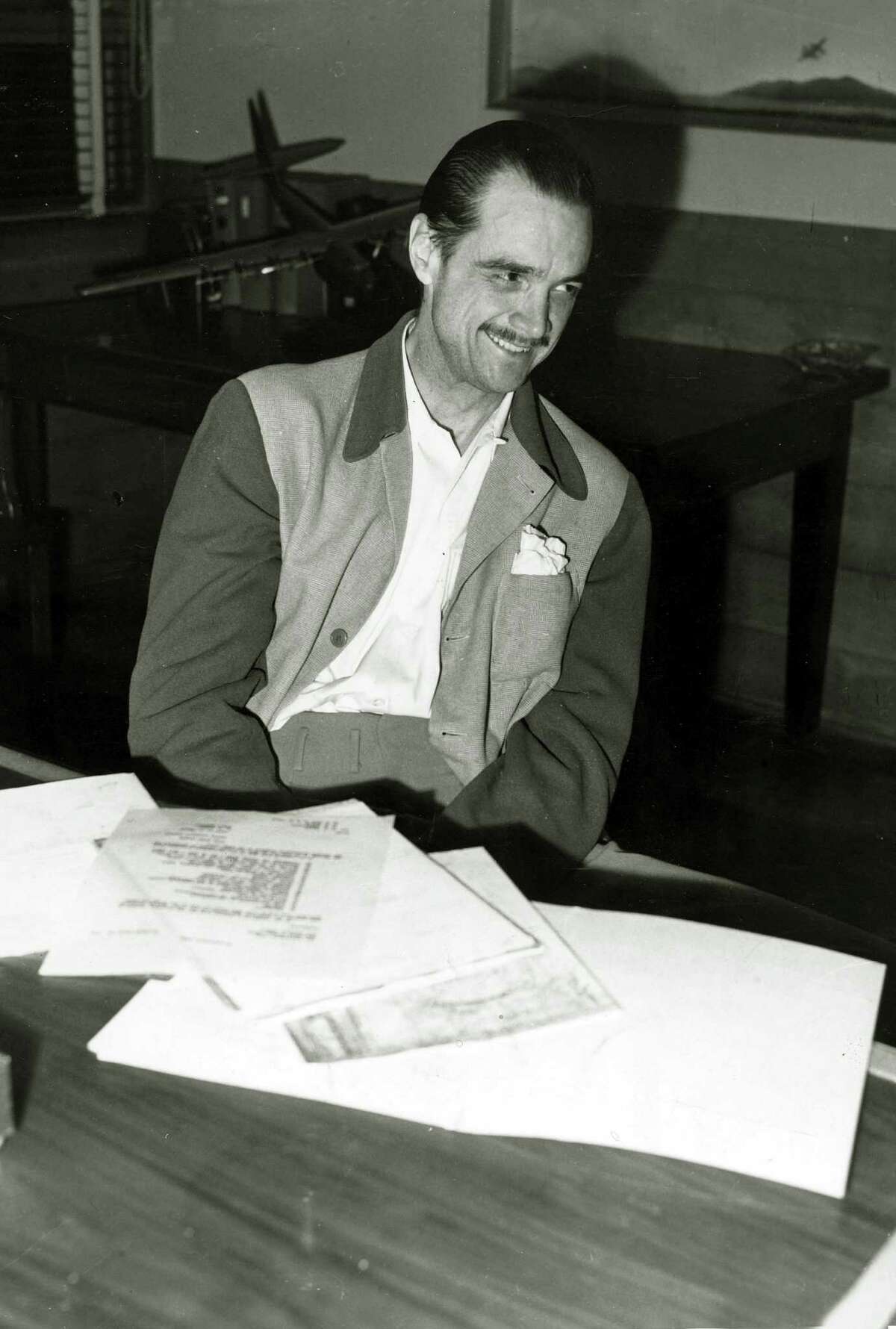
Howard Hughes' struggles with OCD have been well-documented, and his story serves as a reminder of the challenges that people with mental health issues may face. Despite his difficulties, he was able to achieve great success in his career and make significant contributions to society.
Related video of Howard Hughes OCD Reddit
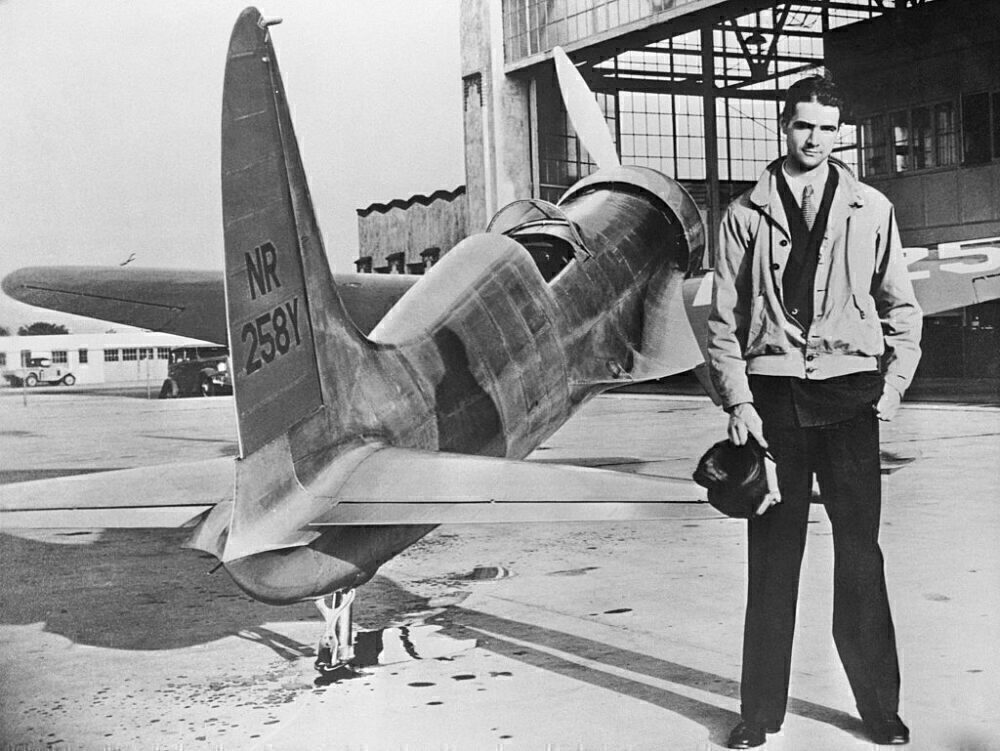
Howard Hughes was a famous aviator, inventor, and filmmaker. He was also known for his love of aviation and the many planes he designed and flew. Hughes was a pioneer in aviation, and his planes were some of the most advanced and innovative of their time. In this article, we will take a look at some of the most famous Howard Hughes airplane names.
The H-1 Racer

The H-1 Racer was Howard Hughes' first airplane. It was designed and built in 1935, and it was one of the fastest planes of its time. The H-1 Racer set a new world speed record of 352 mph in 1935, and it was the first plane to fly faster than 300 mph in level flight. The H-1 Racer was a sleek and streamlined airplane, and it was powered by a Pratt & Whitney Wasp Jr. engine.
The H-4 Hercules

The H-4 Hercules, also known as the "Spruce Goose," was Howard Hughes' largest and most famous airplane. It was designed and built during World War II, and it was intended to be used as a transport plane for the military. The H-4 Hercules had a wingspan of 320 feet, and it was powered by eight Pratt & Whitney R-4360 engines. The plane made its first and only flight in 1947, and it flew for a distance of one mile at an altitude of 70 feet.
The XF-11

The XF-11 was an experimental reconnaissance plane that Howard Hughes designed and built in the 1940s. The plane was designed to fly at high altitudes and take photographs of enemy territory. The XF-11 was powered by two Pratt & Whitney R-2800 engines, and it had a top speed of 450 mph. The plane was involved in a crash in 1946, and Hughes was seriously injured.
The H-1B

The H-1B was a modified version of the H-1 Racer. It was designed and built in 1936, and it was used to set a new world speed record of 352.39 mph in 1937. The H-1B was powered by a Pratt & Whitney R-1535 engine, and it was one of the most advanced planes of its time.
The H-8

The H-8 was a proposed airplane that Howard Hughes never built. It was designed to be a long-range transport plane that could fly non-stop from New York to Moscow. The H-8 was designed to have a wingspan of 350 feet, and it was powered by six Pratt & Whitney R-2800 engines. The plane was never built due to the outbreak of World War II.
The XF-11A

The XF-11A was a modified version of the XF-11. It was designed and built in the early 1950s, and it was used by the U.S. Air Force for reconnaissance missions. The XF-11A was powered by two Pratt & Whitney R-4360 engines, and it had a top speed of 450 mph. The plane was retired from service in 1956.
The H-2

The H-2 was a proposed airplane that Howard Hughes never built. It was designed to be a long-range transport plane that could fly non-stop from New York to Paris. The H-2 was designed to have a wingspan of 350 feet, and it was powered by four Pratt & Whitney R-4360 engines. The plane was never built due to the outbreak of World War II.
The H-4B

The H-4B was a proposed version of the H-4 Hercules that Howard Hughes never built. It was designed to be a cargo plane that could carry up to 750,000 pounds of cargo. The H-4B was designed to have a wingspan of 320 feet, and it was powered by eight Pratt & Whitney R-4360 engines. The plane was never built due to the high cost of development.
The D-2

The D-2 was a proposed airplane that Howard Hughes never built. It was designed to be a long-range bomber that could fly from the United States to Germany and back without refueling. The D-2 was designed to have a wingspan of 300 feet, and it was powered by four Pratt & Whitney R-4360 engines. The plane was never built due to the outbreak of World War II.
The H-4C

The H-4C was a proposed version of the H-4 Hercules that Howard Hughes never built. It was designed to be a passenger plane that could carry up to 750 passengers. The H-4C was designed to have a wingspan of 320 feet, and it was powered by eight Pratt & Whitney R-4360 engines. The plane was never built due to the high cost of development.
The XF-11B
The XF-11B was a modified version of the XF-11 that Howard Hughes designed and built in the 1950s. The plane was used for reconnaissance missions by the U.S. Air Force. The XF-11B was powered by two Pratt & Whitney R-4360 engines, and it had a top speed of 450 mph. The plane was retired from service in 1956.
The H-18
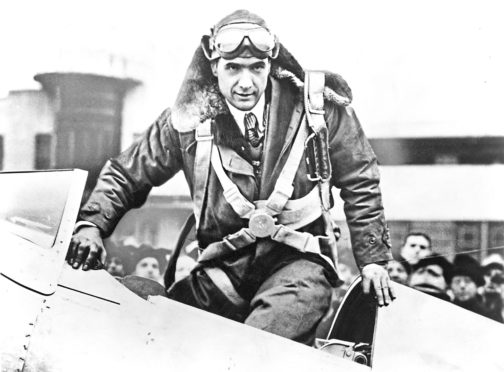
The H-18 was a proposed airplane that Howard Hughes never built. It was designed to be a long-range transport plane that could fly non-stop from New York to Tokyo. The H-18 was designed to have a wingspan of 350 feet, and it was powered by eight Pratt & Whitney R-4360 engines. The plane was never built due to the high cost of development.
The XF-12

The XF-12 was an experimental reconnaissance plane that Howard Hughes designed and built in the 1940s. The plane was designed to fly at high altitudes and take photographs of enemy territory. The XF-12 was powered by four Pratt & Whitney R-4360 engines, and it had a top speed of 450 mph. The plane was never put into production.
The H-15

The H-15 was a proposed airplane that Howard Hughes never built. It was designed to be a long-range transport plane that could fly non-stop from New York to London. The H-15 was designed to have a wingspan of 350 feet, and it was powered by eight Pratt & Whitney R-4360 engines. The plane was never built due to the high cost of development.
The HK-1

The HK-1 was a proposed airplane that Howard Hughes designed and built in the 1940s. It was designed to be a flying boat that could carry up to 750 passengers. The HK-1 was designed to have a wingspan of 200 feet, and it was powered by eight Pratt & Whitney R-4360 engines. The plane was never put into production.
The H-16
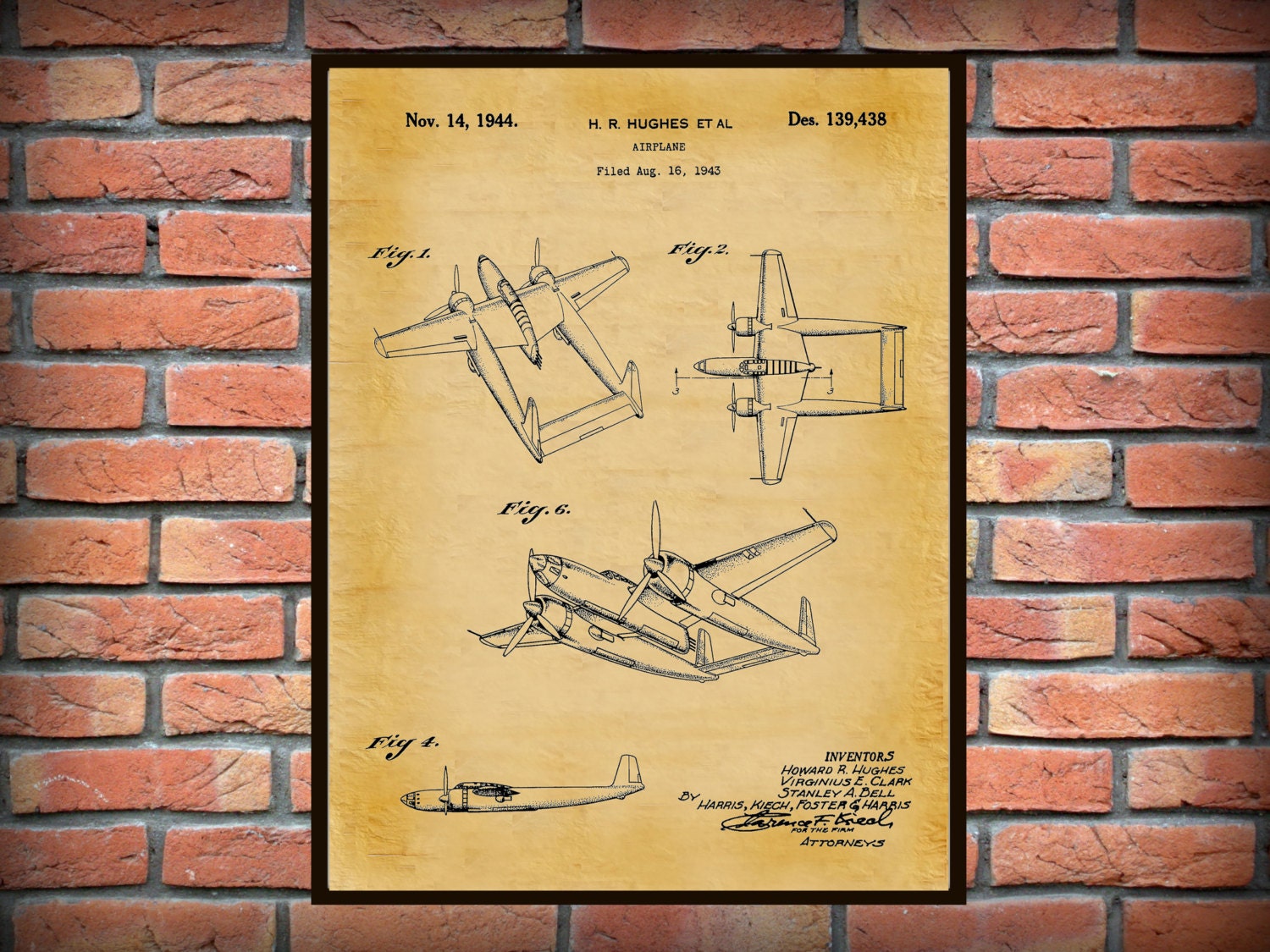
The H-16 was a proposed airplane that Howard Hughes never built. It was designed to be a long-range transport plane that could fly non-stop from New York to Moscow. The H-16 was designed to have a wingspan of 350 feet, and it was powered by six Pratt & Whitney R-4360 engines. The plane was never built due to the high cost of development.
The XF-10

The XF-10 was an experimental reconnaissance plane that Howard Hughes designed and built in the 1940s. The plane was designed to fly at high altitudes and take photographs of enemy territory. The XF-10 was powered by four Pratt & Whitney R-4360 engines, and it had a top speed of 425 mph. The plane was never put into production.
The H-17

The H-17 was a proposed airplane that Howard Hughes never built. It was designed to be a long-range transport plane that could fly non-stop from New York to Paris. The H-17 was designed to have a wingspan of 350 feet, and it was powered by eight Pratt & Whitney R-4360 engines. The plane was never built due to the high cost of development.
The XF-15

The XF-15 was an experimental reconnaissance plane that Howard Hughes designed and built in the 1940s. The plane was designed to fly at high altitudes and take photographs of enemy territory. The XF-15 was powered by two Pratt & Whitney R-4360 engines, and it had a top speed of 425 mph. The plane was never put into production.