
Herbs are an essential part of cooking and are used to add flavor and aroma to dishes. However, the pronunciation of the word "herb" can be a bit tricky. In this article, we will discuss how to pronounce "herb" correctly.
What is an Herb?

Before we dive into pronunciation, let's define what an herb is. An herb is a plant that is used for medicinal or culinary purposes. They are typically grown for their leaves, stems, or flowers and can be used fresh or dried.
The History of Herb Pronunciation

The pronunciation of "herb" has changed over time. In the past, it was pronounced with a silent "h," as it is in French. However, in the United States, the "h" is now pronounced.
How to Pronounce Herb

The correct pronunciation of "herb" in American English is with a pronounced "h" sound. It should be pronounced like "her-b" with the emphasis on the first syllable.
Common Mispronunciations of Herb

Many people mispronounce the word "herb" by not pronouncing the "h" sound. This is a common mistake, especially among non-native English speakers. Other mispronunciations include "erbs" and "herbs with a silent 'h.'"
Why Pronunciation is Important

Pronunciation is important in communication. If you mispronounce a word, it can be difficult for others to understand you. This can lead to misunderstandings and confusion. Pronouncing "herb" correctly is important, especially if you are a chef or work in the culinary industry.
Practice Pronouncing Herb

If you are unsure about how to pronounce "herb," practice saying it out loud. Repeat the word several times, emphasizing the first syllable and pronouncing the "h" sound.
Other Words That Sound Like Herb

There are several words that sound like "herb," including "curve," "nerve," and "serve." These words also have a pronounced "v" sound, which can be helpful to remember when pronouncing "herb."
Conclusion
Pronouncing "herb" correctly is important, especially if you are in the culinary industry. Remember to emphasize the first syllable and pronounce the "h" sound. Practice saying the word out loud to improve your pronunciation.
Related video of How To Pronounce Herb

If you're learning American English, you may have noticed that the pronunciation of some words can be quite tricky. One of those words is "February." In this article, we'll go over how to pronounce "February" in American English.
Why Is February Difficult To Pronounce?

Before we dive into the pronunciation, let's take a look at why "February" can be difficult to pronounce. The word has a silent "r" in the middle, which can throw off non-native speakers. Additionally, the "ruary" at the end can be tricky to say smoothly.
The Correct Pronunciation Of February

The correct pronunciation of "February" in American English is "FEH-broo-ary." The emphasis is on the first syllable, and the "r" is completely silent. The second syllable is pronounced like "brew," and the third syllable is pronounced like "air-ee."
Practice Saying February

Now that you know the correct pronunciation, it's time to practice saying "February" out loud. Repeat the word slowly at first, making sure to emphasize the first syllable and leave out the "r." Then, try saying it more quickly and smoothly.
Other Tips For Pronouncing February

Here are a few other tips to keep in mind when pronouncing "February" in American English:
- Don't stress the "r" in the middle of the word.
- Make sure to pronounce the "b" at the beginning of the word.
- Emphasize the first syllable.
- Pronounce the second syllable like "brew."
- Pronounce the third syllable like "air-ee."
Common Mispronunciations Of February

Even native speakers can sometimes mispronounce "February." Here are a few common mispronunciations to watch out for:
- Feb-YOU-ary
- Feb-RU-ary
- Feb-ROO-ary
- Feb-OH-ary
Why Pronunciation Is Important

Pronouncing words correctly is important for effective communication. If you mispronounce a word, it can be difficult for the person you're speaking with to understand you. Additionally, if you're learning English as a second language, mastering pronunciation can help you sound more fluent and confident.
Other Tricky Words To Pronounce In American English

"February" is just one of many tricky words in American English. Here are a few others to watch out for:
- Colonel (pronounced "KER-nuhl")
- Choir (pronounced "KWY-er")
- Epitome (pronounced "ih-PIT-uh-mee")
- Worcestershire (pronounced "WUSS-tuh-shur")
Conclusion
Pronouncing "February" correctly in American English can be a challenge, but with practice, you can master it. Remember to emphasize the first syllable, leave out the "r," and pronounce the second and third syllables like "brew" and "air-ee," respectively. By mastering pronunciation, you'll be better equipped to communicate effectively in English.
Related video of How To Pronounce February In American English

Introduction
If you are an English learner, you may have come across some words that are difficult to pronounce. One of these words is "came." In this article, we will show you how to pronounce "came" correctly in relaxed English.
Understanding Pronunciation

Pronunciation is the way in which a word is spoken. It involves the sounds and stress patterns used to say a word. In English, the pronunciation of words can be tricky because there are many exceptions to the rules. However, with practice, you can improve your pronunciation and sound more like a native speaker.
Phonetic Symbol for Came

The phonetic symbol for "came" is /keɪm/. This symbol represents the sounds used to say the word. The first sound is "k," followed by "ey" and "m." These sounds are combined to create the word "came."
Breaking Down the Sounds

Let's break down the sounds of "came" into individual parts:
- The "k" sound is made by closing your vocal cords and then releasing a burst of air.
- The "ey" sound is made by opening your mouth wide and pushing your tongue towards the back of your mouth.
- The "m" sound is made by closing your lips and pushing air out through your nose.
Putting It All Together

Now, let's put all the sounds together to say "came" correctly:
- Start by saying the "k" sound.
- Next, say the "ey" sound.
- Finally, say the "m" sound.
When you say these sounds together, you will have pronounced "came" correctly.
Practice

Practice is the key to improving your pronunciation. Here are some tips to help you practice pronouncing "came" correctly:
- Listen to native English speakers saying the word "came."
- Repeat the word "came" out loud, focusing on the individual sounds.
- Record yourself saying the word "came" and listen back to see if you are pronouncing it correctly.
- Practice saying the word "came" in different sentences and contexts.
Conclusion
Pronouncing "came" correctly is important for effective communication in English. By understanding the sounds of the word and practicing, you can improve your pronunciation and sound more like a native speaker. Keep practicing and you will soon be saying "came" with confidence!
Related video of How To Pronounce Came
Introduction
When it comes to numbers, it is important to know how to pronounce them correctly, especially if you are learning a new language or communicating with someone who speaks a different language. In this article, we will focus on how to pronounce the number 0 in English. While it may seem like a simple task, there are a few different ways to pronounce this number depending on the context in which it is used. Let's explore the various ways to pronounce 0 and when to use each pronunciation.
Pronouncing 0 as "Zero"

The most common way to pronounce 0 in English is "zero." This pronunciation is typically used when referring to the number itself or when spelling out a number that includes 0. For example, if you are giving someone your phone number and it includes the number 0, you would say "zero" instead of "oh" to make sure the listener understands that there is a digit 0 in the number.
Pronouncing 0 as "Oh"

While "zero" is the more common pronunciation, there are some situations where "oh" is used instead. For example, when referring to a temperature that includes 0, such as "minus 10 degrees," the 0 would be pronounced as "oh." This is also true when referring to a score of 0 in a game or competition, where the score may be announced as "oh to zero" instead of "zero to zero."
Pronouncing 0 as "Nought"

Another less common pronunciation of 0 is "nought." This pronunciation is more commonly used in British English, but may also be used in other English-speaking countries. It is typically used when referring to a score of 0 in a game or competition, such as "Arsenal won 2-0, with the second goal coming from a penalty after a foul on the edge of the box by the goalkeeper, who was sent off for his challenge on the forward. The penalty was coolly slotted away into the bottom corner of the net, leaving the opposing goalkeeper rooted to the spot as the ball trickled past him and into the nought."
Conclusion
In conclusion, there are a few different ways to pronounce 0 in English, depending on the context in which it is used. The most common pronunciation is "zero," which is used when referring to the number itself or when spelling out a number that includes 0. "Oh" is used in some situations, such as when referring to a temperature that includes 0 or a score of 0 in a game or competition. "Nought" is a less common pronunciation that is primarily used in British English when referring to a score of 0 in a game or competition. Make sure to use the correct pronunciation depending on the situation to avoid confusion and ensure clear communication.
Related video of How To Pronounce 0

If you're a fan of pasta, you may have experienced the frustration of dealing with spaghetti that sticks together. This can ruin your dish and make the pasta clumpy and unappetizing. However, there are a few things you can do to prevent spaghetti from sticking. In this article, we'll explore some of the best tips and tricks for cooking perfect spaghetti every time.
Choose The Right Pot

First things first, you need to choose the right pot to cook your spaghetti in. The pot should be large enough to hold the spaghetti without crowding it. This will ensure that the pasta has enough room to move around and cook evenly. We recommend using a pot that is at least 6 quarts in size.
Add Salt To The Water

Before you add the spaghetti to the pot, make sure to add a generous amount of salt to the water. Salt helps to flavor the pasta and also prevents it from sticking together. We recommend using about 1 tablespoon of salt for every 4 quarts of water.
Stir The Pasta

Once you've added the spaghetti to the pot, make sure to stir it well. This will help to prevent the pasta from sticking together. You should also stir the pasta occasionally while it's cooking to ensure that it cooks evenly.
Don't Overcook The Pasta

Overcooking the pasta can also cause it to stick together. Make sure to follow the cooking instructions on the package and taste the pasta regularly to ensure that it's cooked to your liking. We recommend cooking the pasta until it's al dente, which means that it's cooked but still firm to the bite.
Rinse The Pasta
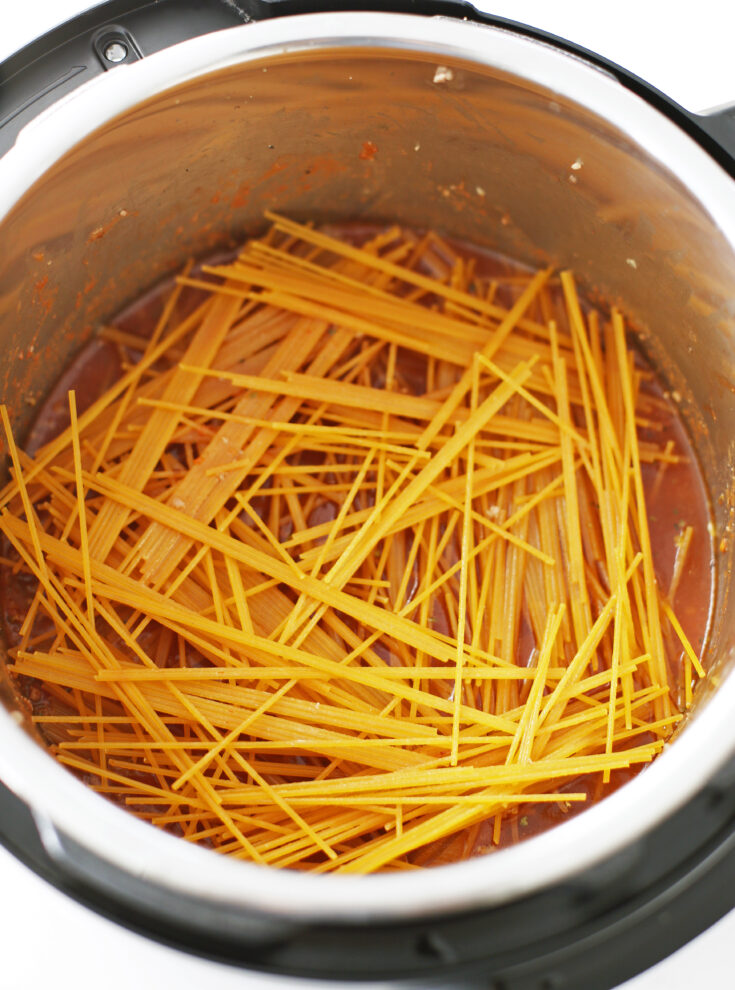
After you've cooked the pasta, you should rinse it under cold water. This will help to stop the cooking process and also remove any excess starch that can cause the pasta to stick together. Make sure to shake off any excess water before serving.
Add Oil To The Pasta

Another trick for preventing spaghetti from sticking is to add a little bit of oil to the pasta after rinsing it. This will help to coat the pasta and prevent it from sticking together. However, you should be careful not to add too much oil, as this can make the pasta too greasy.
Serve The Pasta Immediately

Finally, make sure to serve the pasta immediately after cooking. Spaghetti that sits for too long can start to stick together, so it's best to serve it right away. You can also toss the pasta with some sauce to prevent it from sticking.
Conclusion
By following these tips and tricks, you can prevent spaghetti from sticking and cook perfect pasta every time. Remember to choose the right pot, add salt to the water, stir the pasta, don't overcook it, rinse it under cold water, add oil if necessary, and serve it immediately. With a little bit of practice, you'll be able to cook perfect spaghetti that is always delicious and never clumpy.
Related video of How To Prevent Spaghetti From Sticking
Are you a fan of pistachio nuts? These delicious nuts are not only tasty but also packed with numerous health benefits. Pistachio nuts are a good source of protein, fiber, healthy fats, and antioxidants. They can lower cholesterol levels, reduce the risk of heart disease, and improve digestion. In this article, we will guide you on how to prepare pistachio nuts in a few easy steps.
Step 1: Buy Fresh Pistachio Nuts
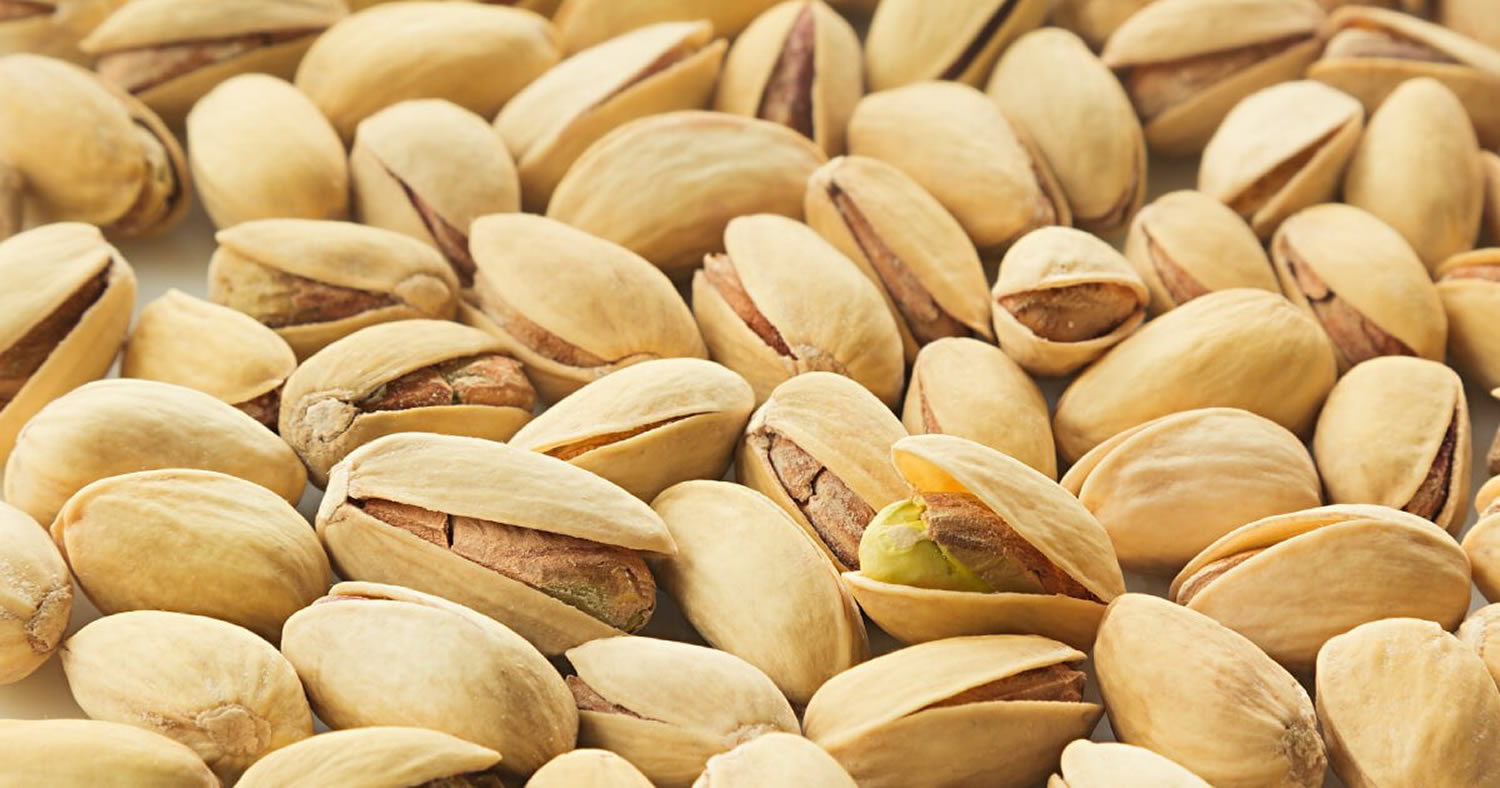
The first step in preparing pistachio nuts is to purchase fresh, high-quality nuts. Pistachios are available in most grocery stores or online. Look for pistachios that are still in their shells and avoid those that are discolored, shriveled, or have visible signs of damage. Fresh pistachio nuts have a bright green color and a slightly sweet aroma.
Step 2: Remove the Shells
:max_bytes(150000):strip_icc()/GettyImages-157636072-ec0a1e88c2a04e299d2018c7ed0ce252.jpg)
Once you have purchased fresh pistachio nuts, the next step is to remove the shells. You can use your fingers or a nutcracker to crack open the shells. Start by placing the pistachio nut in the palm of your hand, then use your fingers to apply gentle pressure on both sides of the shell until it cracks open. Be careful not to crush the nut inside. You can also use a nutcracker to crack open the shells.
Step 3: Sort and Discard Any Bad Nuts
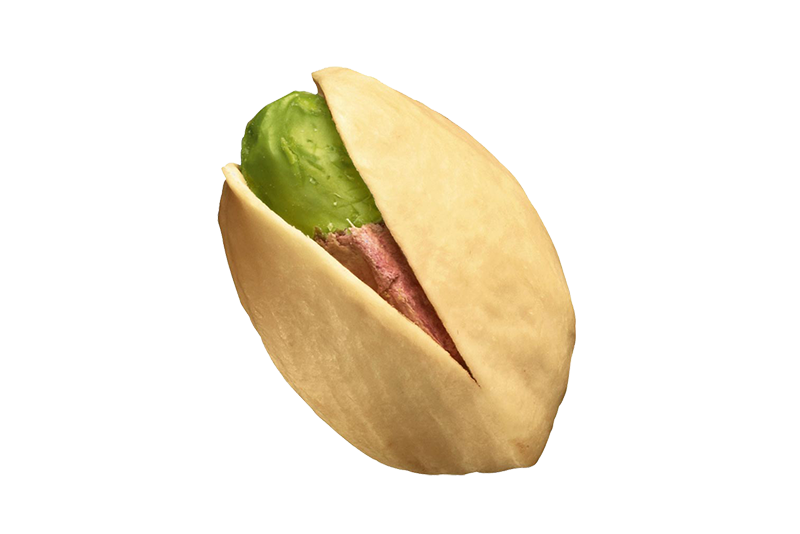
After removing the shells, sort the pistachio nuts and discard any that are discolored, shriveled, or have visible signs of damage. Bad nuts can spoil the flavor of the good ones and should be removed before consumption.
Step 4: Roast the Pistachio Nuts

Roasting pistachio nuts can enhance their flavor and texture. Preheat your oven to 350°F (175°C) and spread the pistachio nuts in a single layer on a baking sheet. Roast the nuts for 10-15 minutes, stirring occasionally, until they are golden brown and fragrant. Be careful not to overcook the nuts, or they may become dry and lose their flavor.
Step 5: Add Flavorings (Optional)

If you want to add some extra flavor to your pistachio nuts, you can coat them with various spices, herbs, or sweeteners. Some popular options include cinnamon, sugar, honey, sea salt, and chili powder. Simply mix the desired flavorings with melted butter or olive oil, then toss the pistachio nuts in the mixture until they are well coated.
Step 6: Store the Pistachio Nuts

After preparing the pistachio nuts, store them in an airtight container at room temperature or in the refrigerator. Pistachio nuts can be stored for up to six months in the refrigerator or up to three months at room temperature. Avoid storing pistachio nuts in direct sunlight or in warm, humid environments, as this can cause them to spoil.
Conclusion
Preparing pistachio nuts is easy and can be done in a few simple steps. By following the steps outlined in this article, you can enjoy delicious, healthy pistachio nuts in no time. Whether you eat them as a snack, add them to salads or use them in cooking, pistachio nuts are a versatile and nutritious food that can improve your overall health and wellbeing.
Related video of How To Prepare Pistachio Nuts

Rock Paper Scissors is a popular hand game that is played by people of all ages. It is a simple yet fun game that can be played anywhere and anytime. In this article, we will show you how to play Rock Paper Scissors and some tips on how to win the game.
What You Need

You don't need any special equipment to play Rock Paper Scissors. All you need is your hands and an opponent to play against.
How To Play

The game is played by making a fist with one hand and then swinging it down while saying "Rock, Paper, Scissors." On the word "Scissors," players quickly form one of three shapes with their hands:
- Rock - A closed fist
- Paper - A flat hand
- Scissors - A fist with the index and middle fingers extended
The objective of the game is to select a hand shape that beats the other player's hand shape. Rock beats scissors, scissors beat paper, and paper beats rock.
Winning Strategies

Here are some tips on how to win at Rock Paper Scissors:
- Pay attention to your opponent's patterns. Humans are creatures of habit, and many people tend to repeat the same hand shape over and over again.
- Try to anticipate your opponent's next move. If your opponent has chosen rock the last two times, they may be more likely to choose scissors on the next turn.
- Use reverse psychology. If you think your opponent is expecting you to choose rock, choose paper instead.
- Use the element of surprise. If your opponent is expecting you to choose scissors, shock them by choosing rock.
Variations of the Game

There are many variations of the game, including:
- Rock Paper Scissors Lizard Spock - a version of the game that was popularized by the TV show "The Big Bang Theory."
- Rock Paper Scissors Fire Water Grass - a version of the game that is played using hand gestures that represent fire, water, and grass.
- Rock Paper Scissors Pie - a version of the game where the loser gets a pie in the face.
Conclusion
Rock Paper Scissors is a fun and simple game that can be played anywhere and anytime. Whether you are playing for fun or trying to win a bet, these tips and tricks can help you improve your game.