Mosquito bites are common during the summer season. These pesky insects can cause red, itchy bumps that can be uncomfortable and irritating. Fortunately, there are several ways to reduce the swelling and discomfort caused by mosquito bites. In this article, we will discuss some effective remedies to help you get relief from mosquito bites.
Ice Pack

Applying an ice pack to the affected area is an effective remedy for reducing inflammation caused by mosquito bites. The cold temperature of the ice pack helps to narrow the blood vessels around the bite, which reduces swelling and discomfort. Wrap the ice pack in a towel and apply it to the bite for 10-15 minutes every few hours.
Baking Soda

Baking soda is another effective remedy for reducing swelling and itching caused by mosquito bites. Mix a tablespoon of baking soda with a small amount of water to make a paste. Apply the paste to the affected area and let it sit for 10-15 minutes before washing it off with cold water.
Oatmeal Bath
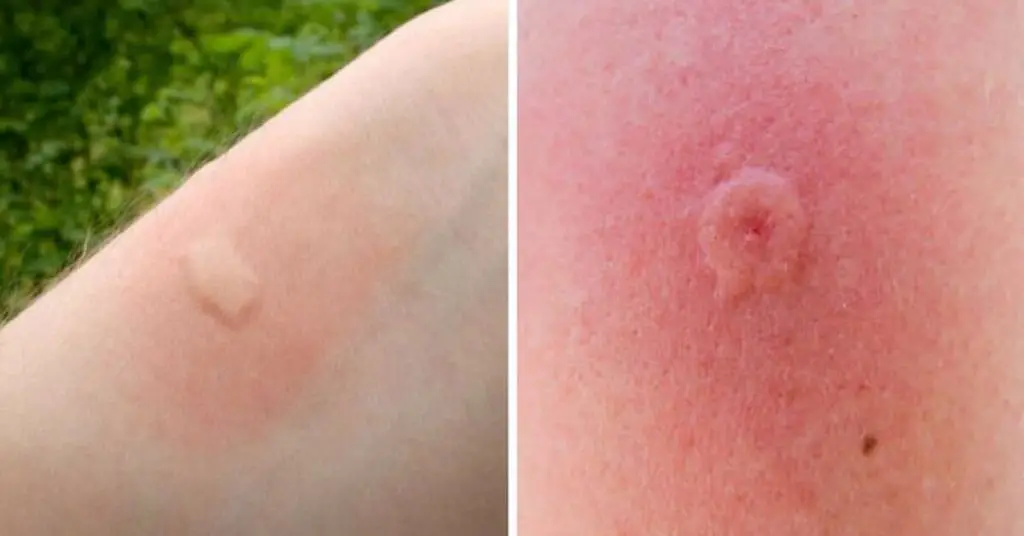
An oatmeal bath is a great way to soothe your skin and reduce itching caused by mosquito bites. Add a cup of oatmeal to your bathwater and soak in it for 15-20 minutes. The oatmeal will help to reduce inflammation and soothe your skin.
Lemon Juice

Lemon juice is a natural astringent that can help to reduce swelling and itching caused by mosquito bites. Apply fresh lemon juice to the affected area using a cotton ball. Leave it on for 10-15 minutes before washing it off with cold water.
Toothpaste

Toothpaste is another effective remedy for reducing swelling and itching caused by mosquito bites. Apply a small amount of toothpaste to the affected area and leave it on for 10-15 minutes before washing it off with cold water. The cooling effect of toothpaste can help to reduce inflammation and provide relief from itching.
Tea Tree Oil

Tea tree oil is a natural antiseptic that can help to reduce swelling and itching caused by mosquito bites. Dilute a few drops of tea tree oil with a carrier oil such as coconut oil or olive oil. Apply the mixture to the affected area using a cotton ball. Leave it on for 10-15 minutes before washing it off with cold water.
Cucumber
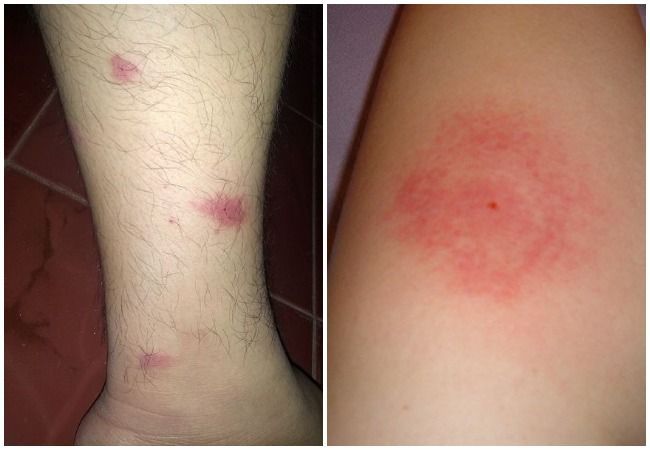
Cucumber is a natural anti-inflammatory that can help to reduce swelling and discomfort caused by mosquito bites. Place a few slices of cucumber on the affected area and leave them on for 10-15 minutes. The cooling effect of the cucumber will help to reduce inflammation and provide relief from itching.
Aloe Vera
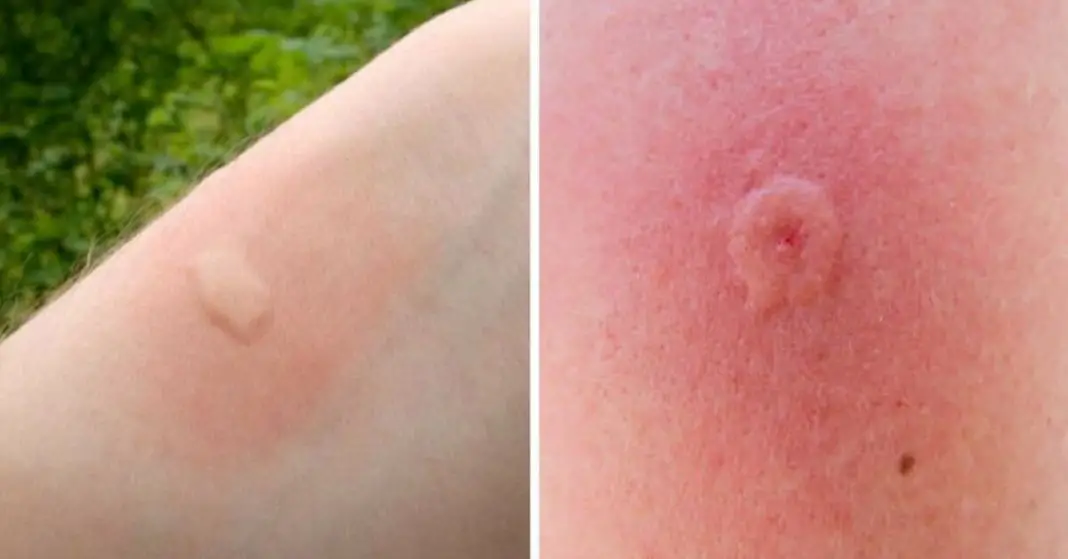
Aloe vera is a natural anti-inflammatory that can help to reduce swelling and itching caused by mosquito bites. Apply fresh aloe vera gel to the affected area and leave it on for 10-15 minutes before washing it off with cold water. Aloe vera gel will help to soothe your skin and reduce inflammation.
Apple Cider Vinegar

Apple cider vinegar is a natural antiseptic that can help to reduce swelling and itching caused by mosquito bites. Dilute a tablespoon of apple cider vinegar with a small amount of water. Apply the mixture to the affected area using a cotton ball. Leave it on for 10-15 minutes before washing it off with cold water.
Calamine Lotion

Calamine lotion is a great remedy for reducing swelling and itching caused by mosquito bites. Apply a small amount of calamine lotion to the affected area and leave it on for a few hours. The lotion will help to reduce inflammation and provide relief from itching.
Hydrocortisone Cream

Hydrocortisone cream is a topical steroid that can help to reduce swelling and itching caused by mosquito bites. Apply a small amount of hydrocortisone cream to the affected area and leave it on for a few hours. The cream will help to reduce inflammation and provide relief from itching.
Prevention
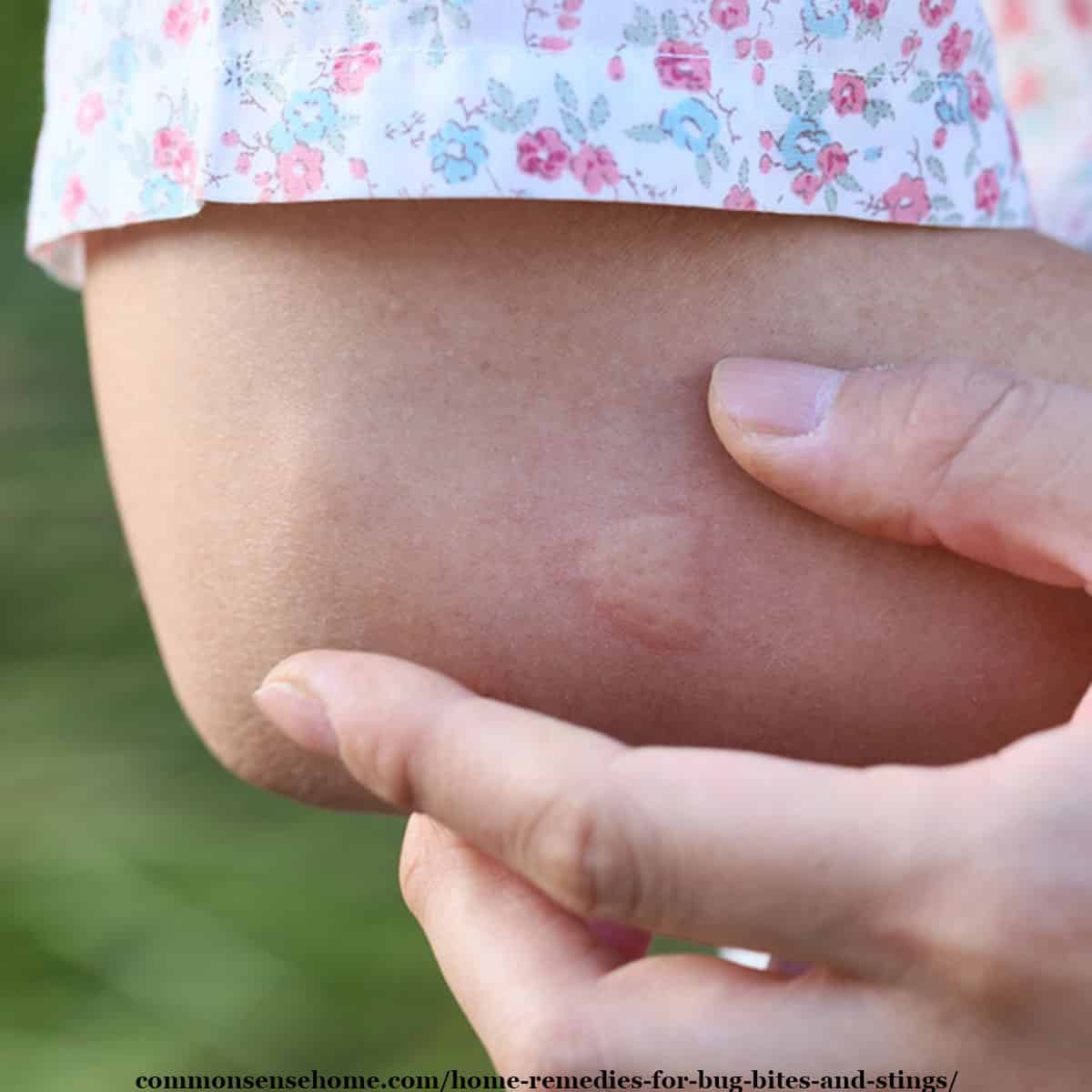
The best way to reduce the swelling and discomfort caused by mosquito bites is to prevent them from happening in the first place. Here are some tips to help you avoid mosquito bites:
- Use mosquito repellent
- Wear long-sleeved shirts and pants
- Avoid being outside during peak mosquito hours (dusk and dawn)
- Eliminate standing water around your home
Conclusion
Mosquito bites can be uncomfortable and irritating, but there are several effective remedies to help reduce swelling and itching. Ice packs, baking soda, oatmeal baths, lemon juice, toothpaste, tea tree oil, cucumber, aloe vera, apple cider vinegar, calamine lotion, and hydrocortisone cream are all great remedies for reducing inflammation caused by mosquito bites. Remember to take preventative measures to avoid mosquito bites altogether.
Related video of How To Swell Down Mosquito Bites

Bananas are a great source of nutrition and energy. They are also one of the most popular fruits in the world. However, storing bananas can be tricky, especially if they are peeled. In this article, we will discuss how to store peeled bananas to keep them fresh for longer.
Why Do Bananas Turn Brown?

Bananas turn brown due to a natural process called oxidation. When bananas are exposed to air, the enzymes in the fruit react with oxygen, causing the skin to turn brown. This process is accelerated when the banana is peeled.
How To Store Peeled Bananas

The best way to store peeled bananas is to keep them in the refrigerator. Place the peeled bananas in a plastic bag and seal it tightly. This will help prevent air from getting to the fruit, slowing down the oxidation process.
Another way to store peeled bananas is to freeze them. Simply cut the bananas into small pieces and place them in a freezer-safe container. You can also mash the bananas before freezing them. This is a great way to have bananas on hand for smoothies and baking.
Tips For Storing Bananas

Here are some tips to keep in mind when storing bananas:
- Do not store bananas near ethylene-producing fruits such as apples and pears. Ethylene gas can cause bananas to ripen faster.
- Do not wash bananas before storing them. The moisture can speed up the ripening process.
- If you have ripe bananas that you are not ready to eat, put them in the refrigerator to slow down the ripening process.
Conclusion
Storing peeled bananas can be a challenge, but with these tips, you can keep your bananas fresh for longer. Whether you choose to store them in the refrigerator or freezer, remember to seal them tightly to prevent air from getting to the fruit.
Related video ofHow To Store Peeled Bananas
Windows 8.1 is a great operating system that has been around for a while now. It comes with some amazing features and improvements over its predecessor, Windows 8. However, not everyone is a fan of the automatic updates that come with the operating system. If you're one of those people, you'll be happy to know that you can stop the Win 8.1 update. In this article, we'll show you how to do it.
Why Stop the Win 8.1 Update?

Before we get into the steps to stop the Win 8.1 update, let's first talk about why you might want to stop it. One of the main reasons is that the updates can be quite large and take up a lot of space on your hard drive. This can be a problem if you have limited storage space on your computer.
Another reason is that the updates can sometimes cause problems with your computer. Some users have reported issues with their computer crashing or freezing after installing the updates. If you're experiencing problems with your computer after an update, it might be a good idea to stop the Win 8.1 update.
Method 1: Disable Automatic Updates

The first method to stop the Win 8.1 update is to disable automatic updates. Here's how to do it:
- Go to the Start menu and select Control Panel.
- Click on Windows Update.
- Click on Change settings.
- Select the option that says "Never check for updates (not recommended)"
- Click OK.
With this method, you won't receive any further updates for Windows 8.1. However, it's important to note that this isn't the recommended method, as it can leave your computer vulnerable to security threats.
Method 2: Use Group Policy Editor

The second method to stop the Win 8.1 update is to use the Group Policy Editor. This method is only available for users of the Professional or Enterprise edition of Windows 8.1. Here's how to do it:
- Press the Windows key + R to open the Run command.
- Type "gpedit.msc" and press Enter.
- In the Group Policy Editor, navigate to Computer Configuration > Administrative Templates > Windows Components > Windows Update.
- Double-click on "Configure Automatic Updates."
- Select the option that says "Enabled."
- Under "Configure automatic updating," select the option that says "Notify for download and notify for install."
- Click OK.
With this method, you'll be notified when updates are available, but you can choose whether or not to install them. This gives you more control over the updates that are installed on your computer.
Method 3: Disable the Windows Update Service

The third method to stop the Win 8.1 update is to disable the Windows Update service. Here's how to do it:
- Press the Windows key + R to open the Run command.
- Type "services.msc" and press Enter.
- Scroll down until you find the Windows Update service.
- Right-click on the service and select Properties.
- Under "Startup type," select the option that says "Disabled."
- Click OK.
With this method, the Windows Update service will be disabled, and you won't receive any further updates for Windows 8.1. However, like Method 1, this isn't the recommended method, as it can leave your computer vulnerable to security threats.
Conclusion
Stopping the Win 8.1 update is something that many users might want to do, especially if they have limited storage space or are experiencing problems with their computer after an update. In this article, we've shown you three methods to stop the Win 8.1 update. While Method 1 and Method 3 aren't the recommended methods, they can be useful in certain situations. However, if you're a Professional or Enterprise user, Method 2 is the best option, as it gives you more control over the updates that are installed on your computer.
Related video of How To Stop Win 8.1 Update

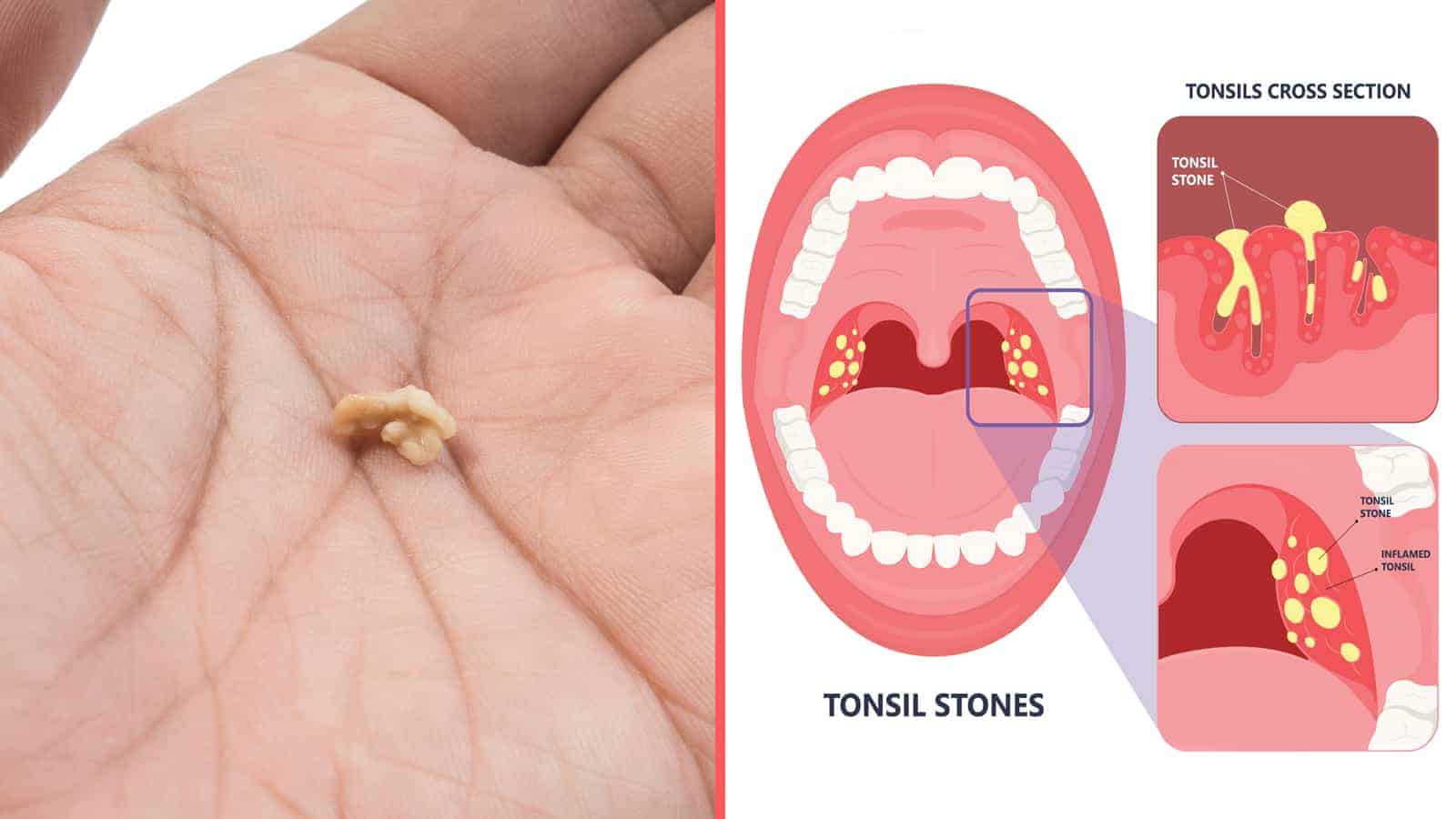
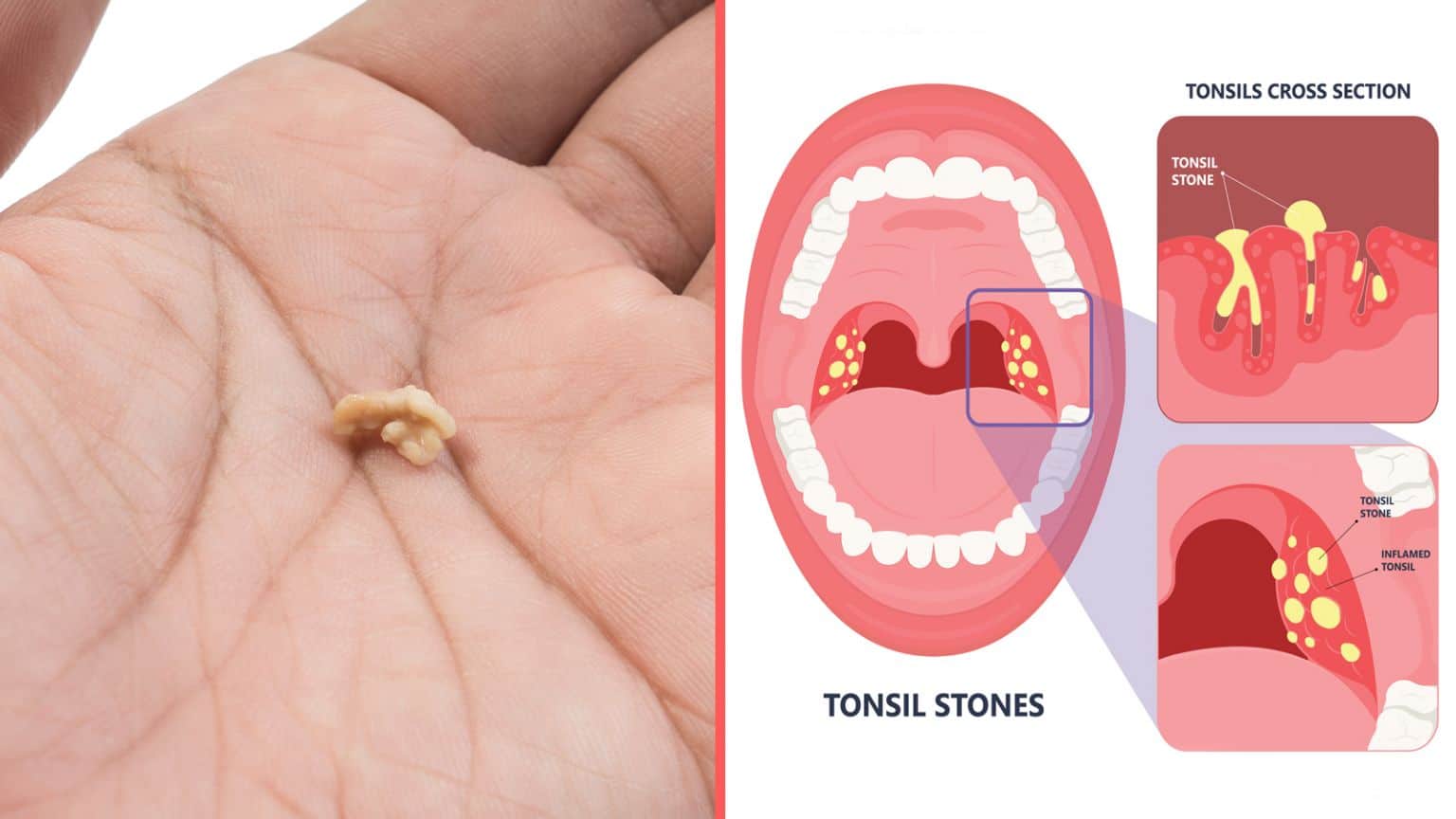
What Are Tonsil Stones?
Tonsil stones, or tonsilloliths, are small, hard, white or yellowish formations that occur in the crevices of the tonsils. They are made up of bacteria, dead cells, and food particles that get stuck in the tonsils and harden over time. Tonsil stones are not harmful, but they can cause bad breath, sore throat, and difficulty swallowing. If you want to avoid tonsil stones, here are some tips to follow.
Practice Good Oral Hygiene

Good oral hygiene is essential to prevent tonsil stones. Brush your teeth twice a day, floss regularly, and use an antiseptic mouthwash to kill bacteria in your mouth. If you have a history of tonsil stones, consider using a tongue scraper to remove bacteria from your tongue, which can contribute to the formation of tonsil stones.
Avoid Certain Foods

Some foods can increase your risk of getting tonsil stones. These include dairy products, sugary foods and drinks, and foods that are high in fat. Try to limit your intake of these foods and opt for healthier options like fruits, vegetables, and lean proteins.
Stay Hydrated
Drinking plenty of water can help prevent tonsil stones by keeping your mouth moist and flushing out bacteria and food particles that can get stuck in your tonsils. Aim to drink at least eight glasses of water a day, and avoid alcohol and caffeine, which can dehydrate you.
Gargle With Salt Water

Gargling with salt water can help prevent tonsil stones by reducing inflammation and killing bacteria in your mouth. Mix a teaspoon of salt with warm water and gargle for 30 seconds before spitting it out. Repeat this several times a day, especially after meals.
Use Nasal Spray
If you have allergies or sinus problems, using a nasal spray can help prevent tonsil stones by reducing mucus and bacteria in your nose and throat. Talk to your doctor about which nasal spray is right for you.
Consider Tonsillectomy

If you have frequent or severe tonsil stones, your doctor may recommend a tonsillectomy, which is the surgical removal of your tonsils. This can be a permanent solution to the problem, but it is a major surgery that carries risks and requires a recovery period.
Conclusion
While tonsil stones are not harmful, they can be uncomfortable and embarrassing. By following these tips, you can reduce your risk of getting tonsil stones and improve your overall oral health. If you have persistent tonsil stones or other oral health concerns, be sure to talk to your doctor or dentist for advice and treatment.
Related video of How To Stop Getting Tonsil Stones
Bug bites are pesky and can cause discomfort and itchiness. They are especially annoying during the summer months when mosquitoes, flies, and other insects are at their peak. The good news is that there are several ways to alleviate the itchiness and prevent further irritation. Here are some tips on how to stop bug bites from itching:
1. Wash the Bite Area

The first thing you should do when you get a bug bite is to wash the affected area with soap and water. This will help get rid of any dirt or bacteria that may have entered the wound. It will also help to reduce the inflammation and itchiness.
2. Apply Ice or a Cold Compress

Using a cold compress or ice pack can help to numb the area and reduce the inflammation. Wrap some ice in a cloth or use a cold compress and apply it to the bite area for 10-15 minutes. Repeat this process several times a day to relieve the itchiness and swelling.
3. Use Calamine Lotion

Calamine lotion is a popular remedy for bug bites. It contains zinc oxide, which helps to reduce the inflammation and soothe the itchiness. Apply the lotion to the affected area several times a day until the itchiness subsides.
4. Apply Essential Oils

Essential oils such as lavender, tea tree, and peppermint have anti-inflammatory and soothing properties that can help to relieve the itchiness and swelling caused by bug bites. Mix a few drops of essential oil with a carrier oil like coconut or olive oil and apply it to the bite area.
5. Take an Antihistamine

If the itchiness is severe, you can take an antihistamine like Benadryl to reduce the inflammation and alleviate the itchiness. However, it is important to consult with a doctor before taking any medication.
6. Use an OTC Cream

Over-the-counter creams like hydrocortisone and lidocaine can help to reduce the itchiness and swelling caused by bug bites. Apply a small amount of cream to the affected area several times a day until the itchiness subsides.
7. Avoid Scratching

Although it may be tempting to scratch the bite area, it will only make the itchiness and swelling worse. Scratching can also cause the wound to become infected. Instead, try some of the remedies listed above to alleviate the itchiness.
8. Wear Protective Clothing

To prevent bug bites in the first place, it is important to wear protective clothing like long-sleeved shirts and pants. You can also use insect repellent to keep bugs at bay.
9. Keep Your Surroundings Clean

Keeping your surroundings clean and free of standing water can help to prevent mosquito breeding grounds. Make sure to clean up any stagnant water in your yard and keep your living space free of clutter.
10. Seek Medical Attention

If the itchiness and swelling persist or if you experience any other symptoms like fever or nausea, seek medical attention immediately. It may be a sign of an allergic reaction or other medical condition.
With these tips, you can stop bug bites from itching and prevent further irritation. Remember to keep your surroundings clean and wear protective clothing to prevent bug bites in the first place. If the symptoms persist or worsen, seek medical attention right away.
Related video of How To Stop Bug Bites From Itching

Steamed heavy cream is a luxurious and versatile ingredient that can be used in various desserts and hot beverages. It adds a rich and velvety texture to any dish, making it a favorite among pastry chefs and home cooks alike.
What is Steamed Heavy Cream?

Steamed heavy cream is simply heavy cream that has been heated gently until it reaches a temperature of about 180°F. This process changes the cream's texture, making it thicker and more velvety than regular whipped cream.
The steaming process also enhances the cream's flavor by caramelizing the natural sugars in the cream. The resulting cream has a nutty, caramel-like taste that adds depth and richness to desserts and hot beverages.
How to Steam Heavy Cream

Steaming heavy cream is a straightforward process that requires only a few tools and a bit of patience. Here's how to do it:
- Pour the heavy cream into a small pot or saucepan.
- Place the pot over medium heat and stir the cream constantly with a whisk or spatula.
- Continue stirring the cream until it reaches a temperature of about 180°F. You can use a candy thermometer to check the temperature.
- Once the cream has reached the desired temperature, remove it from the heat and let it cool for a minute or two.
- You can then use the steamed cream immediately, or you can chill it in the refrigerator until you're ready to use it.
What Can You Use Steamed Heavy Cream For?

Steamed heavy cream can be used in a variety of desserts and hot beverages. Here are some ideas:
- Use it as a topping for hot chocolate, coffee, or tea.
- Drizzle it over fresh berries or fruit salad.
- Use it as a filling for cakes, pastries, and tarts.
- Stir it into pudding or custard for a richer, more velvety texture.
- Use it as a base for ice cream, gelato, or sorbet.
Conclusion
Steamed heavy cream is a simple yet versatile ingredient that can elevate any dessert or hot beverage. By following the steps above, you can create a delicious and velvety cream that will impress your guests and satisfy your sweet tooth.
Related video of How To Steam Heavy Cream At Home
Introduction
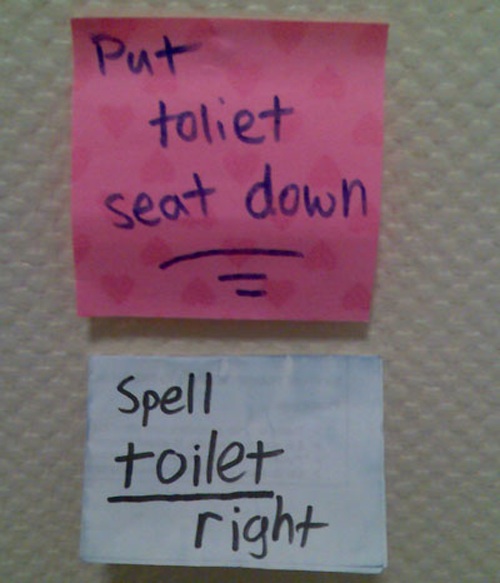
Do you struggle with spelling the word "toilet"? You're not alone! Many people find this word tricky to spell correctly. In this article, we'll provide some tips and tricks to help you spell "toilet" with ease.
The Basics

The word "toilet" is spelled T-O-I-L-E-T. It is a noun that refers to a fixture used for the disposal of bodily waste in a bathroom. It can also refer to the room or area where this fixture is located.
Silent Letters
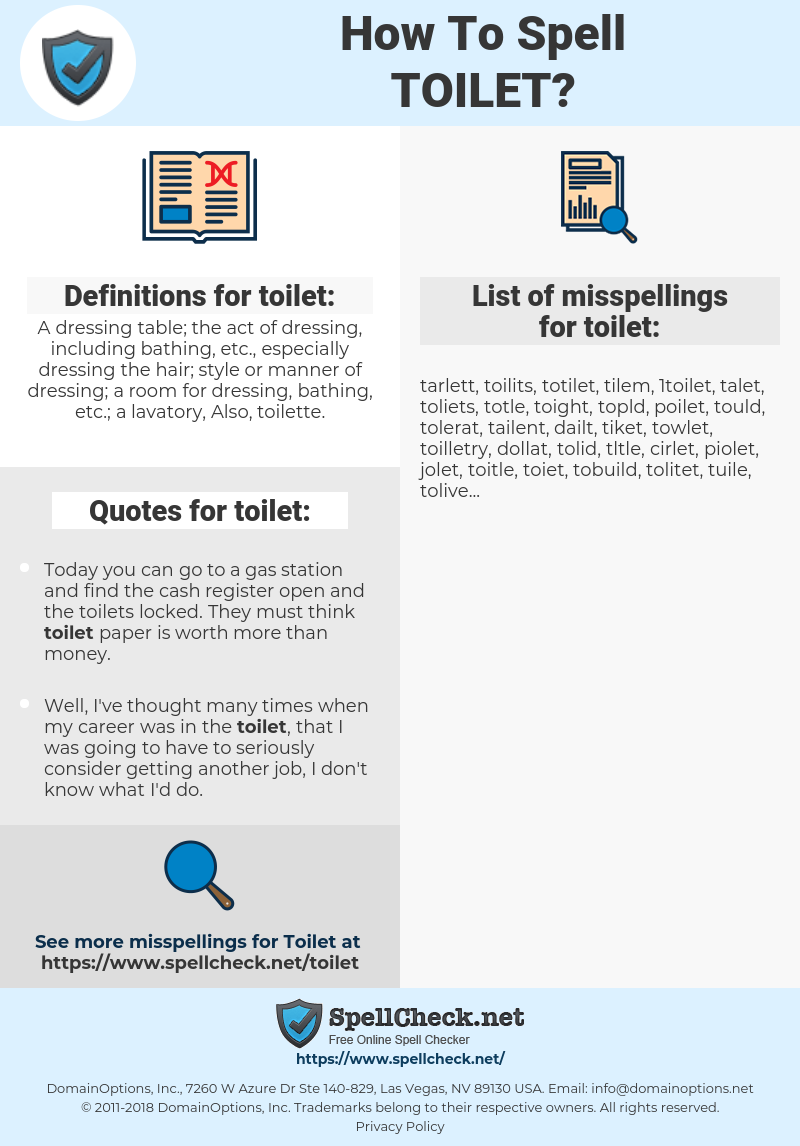
One thing that can make spelling "toilet" difficult is the presence of silent letters. In this word, the "o" and the "e" are both silent. This means that you pronounce the word as "twah-let," even though it is spelled with five letters.
Common Mistakes

When spelling "toilet," some people make common mistakes such as adding extra letters or leaving out silent ones. For example, they may spell it as "toilett" or "tolet." Others may accidentally switch the order of the "o" and the "i," spelling it as "toilit."
Memory Tricks

If you're having trouble remembering how to spell "toilet," there are some memory tricks that can help. For example, you could remember that the word has two silent letters by thinking of the phrase "no one likes to let it go." This reminds you that the "o" and the "e" are silent.
Practice

One of the best ways to improve your spelling is to practice! Try writing the word "toilet" several times until you feel comfortable with its spelling. You could also try using it in sentences or playing spelling games to reinforce your knowledge.
Conclusion
Spelling "toilet" correctly can be a challenge, but with some practice and memory tricks, you can master it. Remember that the word has two silent letters and is spelled T-O-I-L-E-T. Keep practicing, and soon you'll be spelling "toilet" like a pro!
Related video of How to Spell Toilet

Introduction
Have you ever wondered how to spell Mrs correctly? Many people make mistakes when spelling this word, but it is a simple word to spell if you know the rules. In this article, we will go over how to spell Mrs in detail, so you never make a mistake again.
What Does Mrs Mean?

Before we dive into how to spell Mrs, let's first understand what it means. Mrs is a title used before a woman's surname or full name to indicate that she is married. It is the equivalent of Mr for men.
The Correct Spelling of Mrs

The correct spelling of Mrs is M-R-S. It is important to note that there is no period after the letters. Many people mistakenly add a period after the letters, but this is incorrect.
How to Use Mrs in a Sentence

Now that you know how to spell Mrs correctly, it's important to know how to use it in a sentence. Mrs is used before a woman's surname or full name to indicate that she is married. For example:
"Mrs Jones, can you please come to the front desk?"
Or
"I would like to speak to Mrs Smith."
Common Mistakes When Spelling Mrs

Many people make mistakes when spelling Mrs. Here are some common mistakes:
- Adding a period after the letters
- Spelling it as "Misses" or "Missus"
- Forgetting to capitalize the "M"
Make sure to avoid these mistakes when spelling Mrs.
Other Titles for Women
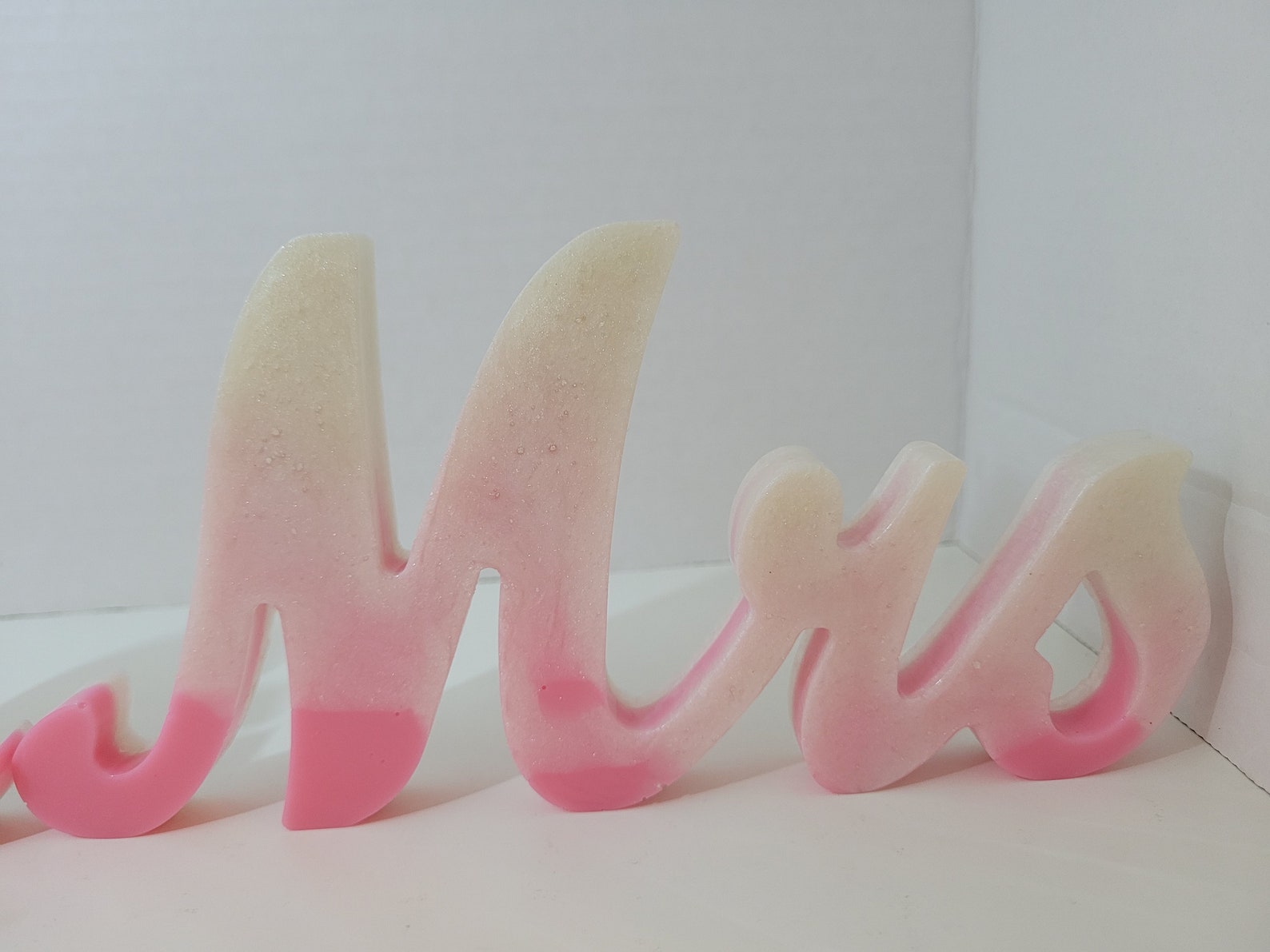
There are other titles used for women besides Mrs. Here are some examples:
- Miss - used for unmarried women
- Ms - used for women regardless of their marital status
- Madam - a formal title of respect for women
Conclusion
Spelling Mrs correctly is important, especially in formal writing or when addressing someone in a formal setting. Remember, the correct spelling is M-R-S with no period after the letters. Avoid common mistakes and use it correctly in a sentence to show respect for someone's marital status.