
Introduction
Black Friday is a popular shopping day that takes place on the Friday following Thanksgiving Day in the United States. It is known for its huge discounts and sales, and it is the busiest shopping day of the year. Black Friday 2004 was no exception, and it was one of the most successful Black Fridays in history.The History of Black Friday
Black Friday dates back to the early 1950s, when retailers would offer discounts to shoppers the day after Thanksgiving to kick off the Christmas shopping season. The term "Black Friday" was not used until the 1980s, and it was coined to describe the day when retailers' profits would go from being in the red to being in the black.The Sales of Black Friday 2004
The sales of Black Friday 2004 were unprecedented. Retailers offered discounts of up to 70% off, and shoppers responded by flocking to stores in record numbers. The most popular items on sale were electronics, toys, and clothing.
The Impact of Black Friday 2004
Black Friday 2004 had a significant impact on retailers, as it set the stage for future Black Fridays. Retailers realized the potential of this shopping day, and they began to offer even bigger discounts and promotions in the years that followed. Black Friday became a crucial day for retailers to boost their sales and profits.The Rise of Online Shopping
In recent years, online shopping has become increasingly popular on Black Friday. In 2004, online shopping was not as prevalent, but it was still an option for those who wanted to avoid the crowds. However, online shopping did not offer the same discounts and promotions as in-store shopping.
The Controversy of Black Friday
Black Friday is not without controversy. Some people criticize the consumerism and materialism of the holiday, while others point out the dangers of the crowds and the potential for violence. Black Friday has been marred by incidents of violence and even deaths, as shoppers have become increasingly aggressive in their pursuit of deals.The Future of Black Friday
Despite the controversies and dangers, Black Friday shows no signs of slowing down. In fact, it has become a global phenomenon, with retailers around the world offering their own versions of Black Friday sales. The future of Black Friday is uncertain, but it is clear that this shopping day will continue to be a significant event in the retail industry.Conclusion
Black Friday 2004 was a historic day for the retail industry, as it set the stage for future Black Fridays. It was a day of unprecedented sales and discounts, and it had a significant impact on retailers. While Black Friday is not without controversy, it remains one of the busiest shopping days of the year. As the retail industry continues to evolve, it will be interesting to see how Black Friday and other shopping holidays adapt and change.Related video of Index of Black Friday 2004

If you are a fan of rock music, then you must have heard of the song "In Your Head In Your Head". The song has been around for quite some time now, but it still remains one of the most popular rock anthems of all time. In this article, we will take a closer look at the history and meaning behind the song, as well as its impact on the music industry.
The History of In Your Head In Your Head Song

"In Your Head In Your Head" was released in 1994 by the Irish rock band, The Cranberries. The song was written by the band's lead singer, Dolores O'Riordan, as a protest against the violence that was taking place in Northern Ireland at that time. The song's lyrics are a powerful commentary on the senseless killings and the need for peace in the troubled region.
Despite its serious subject matter, "In Your Head In Your Head" became a massive hit around the world, reaching the top of the charts in many countries. The song's catchy melody and driving guitar riffs made it an instant classic, and it remains a staple of rock radio to this day.
The Meaning Behind In Your Head In Your Head Song

The lyrics of "In Your Head In Your Head" are a meditation on the futility of violence and the need for peace. The song's chorus, which repeats the phrase "in your head, in your head, they are fighting" over and over again, is a reference to the endless cycle of violence and revenge that has plagued Northern Ireland for decades.
The song's verses are filled with vivid imagery of the conflict, including references to soldiers, guns, and bombs. But despite the bleak subject matter, the song's message is ultimately one of hope. O'Riordan sings of a time when "the violence caused such silence, we must be mistaken", suggesting that there is still a chance for peace if we can only find the courage to pursue it.
The Impact of In Your Head In Your Head Song

"In Your Head In Your Head" had a profound impact on the music industry when it was first released. The song's powerful message and catchy melody made it an instant classic, and it helped to establish The Cranberries as one of the biggest rock bands of the 1990s.
But the impact of "In Your Head In Your Head" goes far beyond the world of music. The song's message of peace and reconciliation has resonated with people all over the world, and it has become a symbol of hope for those who are working to end violence and conflict in their own communities.
Conclusion
Overall, "In Your Head In Your Head" is a powerful and moving song that has left an indelible mark on the music industry and on the world at large. Its message of peace and reconciliation is as relevant today as it was when the song was first released, and it serves as a reminder of the power of music to inspire and unite people across cultures and borders.
Related video of In Your Head In Your Head Song: What You Need to Know

If you are an avid reader or writer, you might come across the term "in other words" quite often. It is a phrase used to rephrase or explain something in simpler language, making it easier to understand. The abbreviation of this phrase is "i.e." which stands for "id est" in Latin, which means "that is." Similarly, "e.g." is another abbreviation that stands for "exempli gratia," which translates to "for the sake of example." In this article, we will delve deeper into the meaning and usage of "in other words" and "e.g."
What Does "In Other Words" Mean?

"In other words" is a phrase that is used when someone wants to rephrase or explain something more clearly. It is often used when the speaker or writer feels that the original statement was not clear enough or was too complicated for the audience to understand. The phrase is also used to summarize or clarify a point that was made earlier. For example, if someone says, "I am going to the store to buy some groceries," they might add, "In other words, I need to buy some food for the week."
What Does "E.g." Mean?

As mentioned earlier, "e.g." is an abbreviation for "exempli gratia," which means "for the sake of example." It is used to provide examples of something that was mentioned earlier. For example, if someone says, "I enjoy outdoor activities, e.g. hiking and camping," they are giving examples of the types of outdoor activities they enjoy.
How to Use "In Other Words" and "E.g."

Both "in other words" and "e.g." are used to clarify or explain something, but they are used in different ways. "In other words" is used to rephrase or summarize something, while "e.g." is used to provide an example. Here are some examples of how to use these phrases:
Example 1: "I am going to the beach to swim and sunbathe. In other words, I want to relax."
Example 2: "I like to listen to music from different genres, e.g. pop, rock, and classical."
Example 3: "I need to buy some new clothes for the summer, e.g. shorts, t-shirts, and sandals."
It is important to note that "e.g." is always followed by a comma and a list of examples. In contrast, "in other words" is often followed by a complete sentence that rephrases or summarizes the original statement.
Conclusion

"In other words" and "e.g." are two phrases that are commonly used in writing and speaking. They are both used to clarify or explain something, but they are used in different ways. "In other words" is used to rephrase or summarize something, while "e.g." is used to provide an example. By using these phrases correctly, you can make your writing and speaking more clear and concise.
Related video of In Other Words Eg

Have you ever heard the phrase "in a vacuum" before? It's a common expression used in various contexts, from science to politics, but what does it really mean? In this article, we'll explore the definition of "in a vacuum" phrase, its origin, and how it is used in different fields.
What is the Definition of "In A Vacuum"?
The phrase "in a vacuum" refers to a situation where there are no outside influences or factors that can affect the outcome or result of something. It means that something is being considered in isolation, without any external interference or influence.

The term "vacuum" itself refers to a space that is completely empty, without any matter or particles. Thus, the phrase "in a vacuum" suggests that something is being examined or evaluated in a state of complete isolation, without any external forces or factors.
What is the Origin of "In A Vacuum" Phrase?
The phrase "in a vacuum" has its roots in science and physics. In the early 17th century, Italian physicist Galileo Galilei conducted experiments to study the behavior of falling objects. He hypothesized that if an object was dropped in a vacuum, it would fall at the same rate regardless of its mass.
Galileo's experiments proved his hypothesis to be correct, demonstrating that the presence or absence of air resistance had a significant impact on the motion of objects. This led to the concept of a vacuum being used as a metaphor for a situation where outside influences are absent.
How is "In A Vacuum" Used in Different Fields?
The phrase "in a vacuum" is used in various fields to describe a situation where something is being considered in isolation. Here are a few examples:
Science:
In science, the phrase "in a vacuum" is used to describe experiments or observations that are conducted in a controlled environment, with no external factors that could influence the results. For example, a scientist might study the behavior of a particular substance "in a vacuum" to see how it reacts under specific conditions.

Politics:
In politics, the phrase "in a vacuum" is often used to criticize policies or decisions made without considering the broader context or consequences. For example, if a government enacts a law "in a vacuum" without considering its impact on other areas, it may have unintended consequences that could have been avoided with more comprehensive analysis.
Business:
In business, the phrase "in a vacuum" can refer to decisions made without considering the impact on stakeholders or the broader market. For example, a company might make changes to its products "in a vacuum" without considering customer feedback or market trends, leading to decreased sales and revenue.

Conclusion
The phrase "in a vacuum" is a common expression used in various fields to describe a situation where something is being considered in isolation. It originated in science and physics, where experiments were conducted in a vacuum to study the behavior of falling objects. Today, the phrase is used in politics, business, and other areas to criticize decisions made without considering external factors or consequences.
Related video of In A Vacuum Phrase: What Does It Mean?
Animals are an essential part of our world. They come in various shapes, sizes, and forms, each with their unique characteristics and traits. From the tiniest insects to the largest mammals, every animal plays a vital role in maintaining the balance of our ecosystem. In this article, we will discuss some important facts about animals that you may not have known before.
Animals Can Communicate
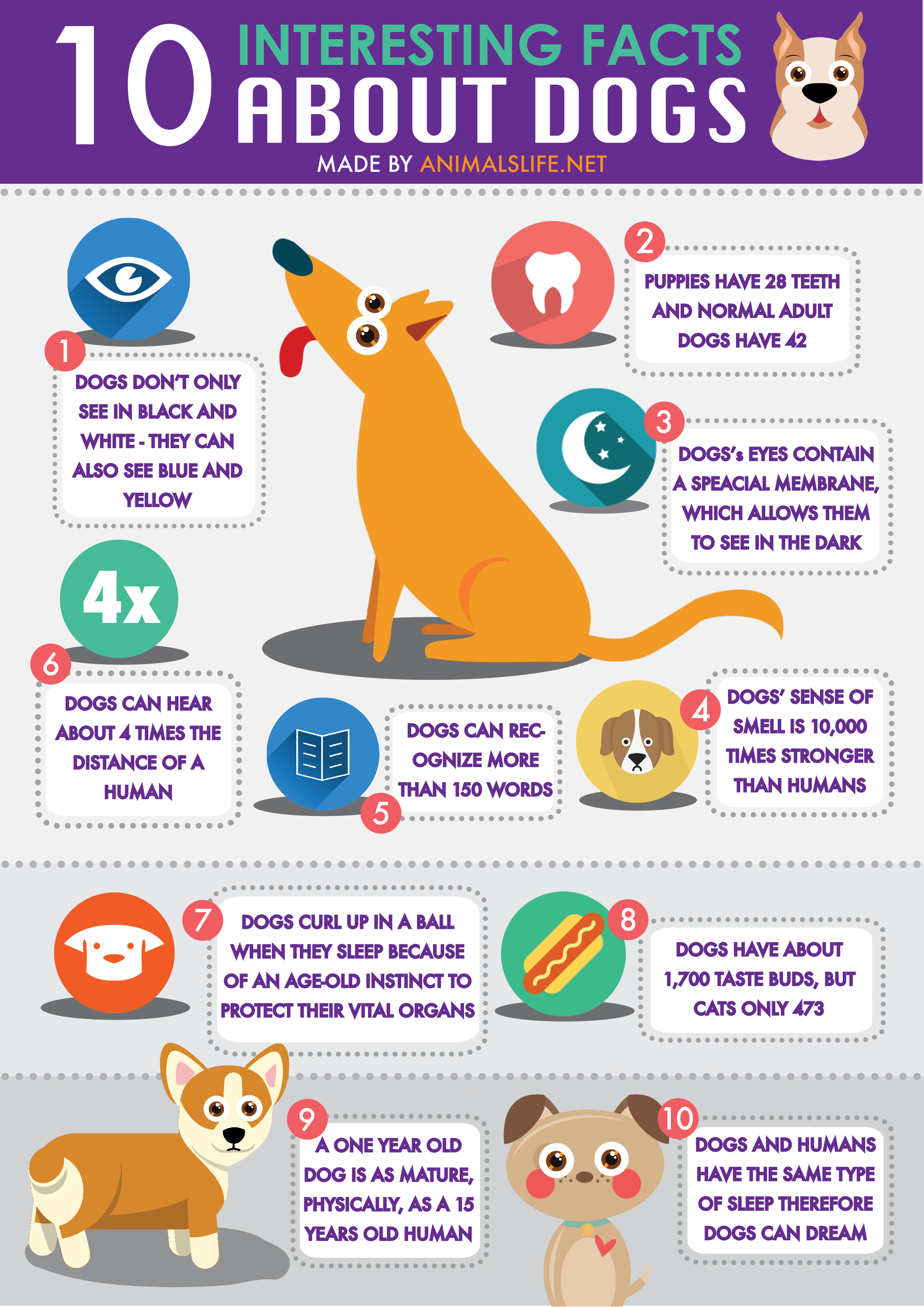
Animals can communicate with each other in various ways. Some animals use sound, like birds and whales, to communicate, while others use body language, like dogs and cats. Some animals even use chemicals to communicate, like ants and bees.
Some Animals Have Unique Abilities
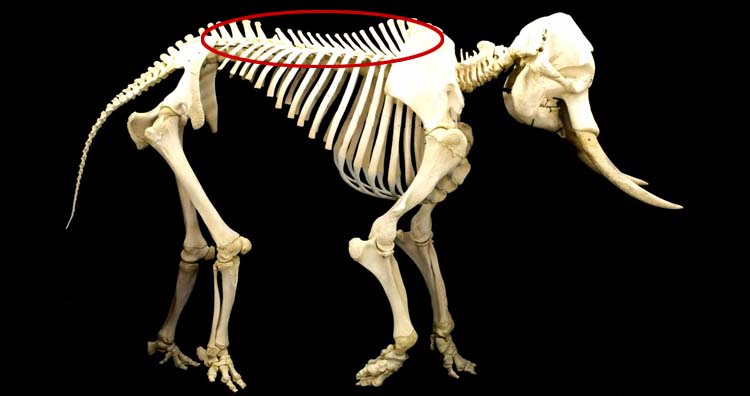
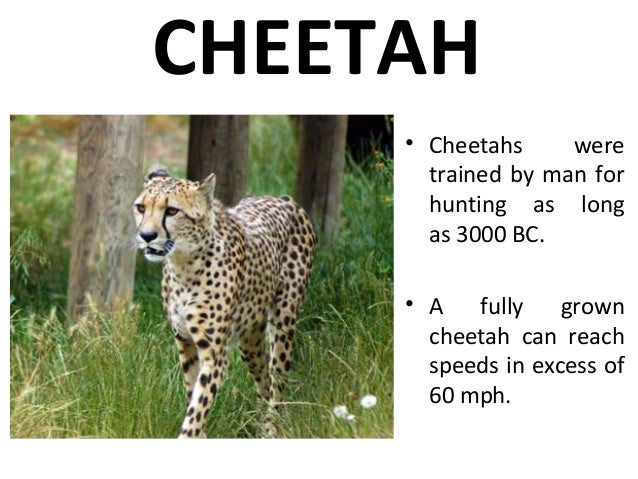
Some animals have unique abilities that make them stand out from the rest. For instance, the cheetah is the fastest land animal, capable of running up to 75 miles per hour. The elephant has the largest brain of any land animal, and the hummingbird can fly backward and upside down.
Animals Help Humans

Animals help humans in many ways. They provide us with food, clothing, and medicine. They also play a crucial role in the ecosystem by pollinating plants, controlling pests, and maintaining the soil's health. In addition, animals can provide emotional support and therapy to people with mental health issues.
Some Animals Are Endangered

Unfortunately, some animals are endangered due to habitat loss, hunting, and climate change. The World Wildlife Fund estimates that more than 10,000 animal species are at risk of extinction. It's crucial to protect and conserve these animals to maintain the balance of our ecosystem.
Animals Have Different Lifespans

Animals have different lifespans depending on their species. Some animals, like mayflies, have a lifespan of only 24 hours, while others, like tortoises, can live up to 150 years. The average lifespan of a domestic cat is 15 years, while that of a domestic dog is 10-13 years.
Animals Have Emotions

Animals have emotions just like humans. They can experience joy, fear, sadness, and anger. Studies have shown that animals can even form deep emotional bonds with each other and with humans.
Some Animals Hibernate

Some animals, like bears and hedgehogs, hibernate during the winter months. Hibernation is a state of inactivity where the animal's body temperature drops, and its heart rate slows down. This helps the animal conserve energy during the winter when food is scarce.
Animals Have Adapted to Their Environments

Animals have adapted to their environments in various ways. For instance, the chameleon can change its color to blend in with its surroundings, while the camel can store water in its hump to survive in the desert. The polar bear has white fur to blend in with the snow, while the giraffe has a long neck to reach leaves high up in trees.
Some Animals Are Nocturnal
Some animals, like bats and owls, are nocturnal, which means they are active during the night. Nocturnal animals have adapted to see in the dark and hunt for prey at night. This helps them avoid predators and competition for food during the day.
Animals Have Unique Senses
Animals have unique senses that help them navigate their surroundings. For instance, cats have excellent night vision, while dogs have a keen sense of smell. Some animals, like dolphins and bats, use echolocation to navigate and locate prey.
Some Animals Can Regenerate

Some animals, like starfish and salamanders, have the ability to regenerate their limbs and organs. This means that if they lose a limb or organ, they can grow it back over time.
Animals Have Different Diets
Animals have different diets depending on their species. Some animals, like cows and horses, are herbivores and eat only plants. Others, like lions and wolves, are carnivores and eat only meat. Some animals, like bears and humans, are omnivores and eat both plants and meat.
Some Animals Have Unique Reproduction Methods
Some animals have unique reproduction methods that make them stand out. For instance, the seahorse is the only animal where the male carries the eggs and gives birth to the young. The platypus lays eggs instead of giving birth to live young.
Animals Can Learn

Animals can learn from experience and their surroundings. Studies have shown that animals can learn from each other and even from humans. For instance, chimpanzees have been taught sign language and can communicate with humans.
Some Animals Migrate
Some animals, like birds and whales, migrate long distances every year. Migration is a way for animals to find food, mate, and escape harsh weather conditions. During migration, animals can travel thousands of miles to reach their destination.
Animals Have Different Sleep Patterns

Animals have different sleep patterns depending on their species. Some animals, like dolphins and whales, sleep with only half their brain at a time, while others, like bats and possums, are nocturnal and sleep during the day. Some animals, like horses and cows, sleep standing up.
Some Animals Have Unique Defense Mechanisms

Some animals have unique defense mechanisms that help them protect themselves from predators. For instance, the porcupine has sharp quills that it can shoot out when threatened, while the skunk can release a foul-smelling spray to deter predators.
Animals Have Different Social Structures

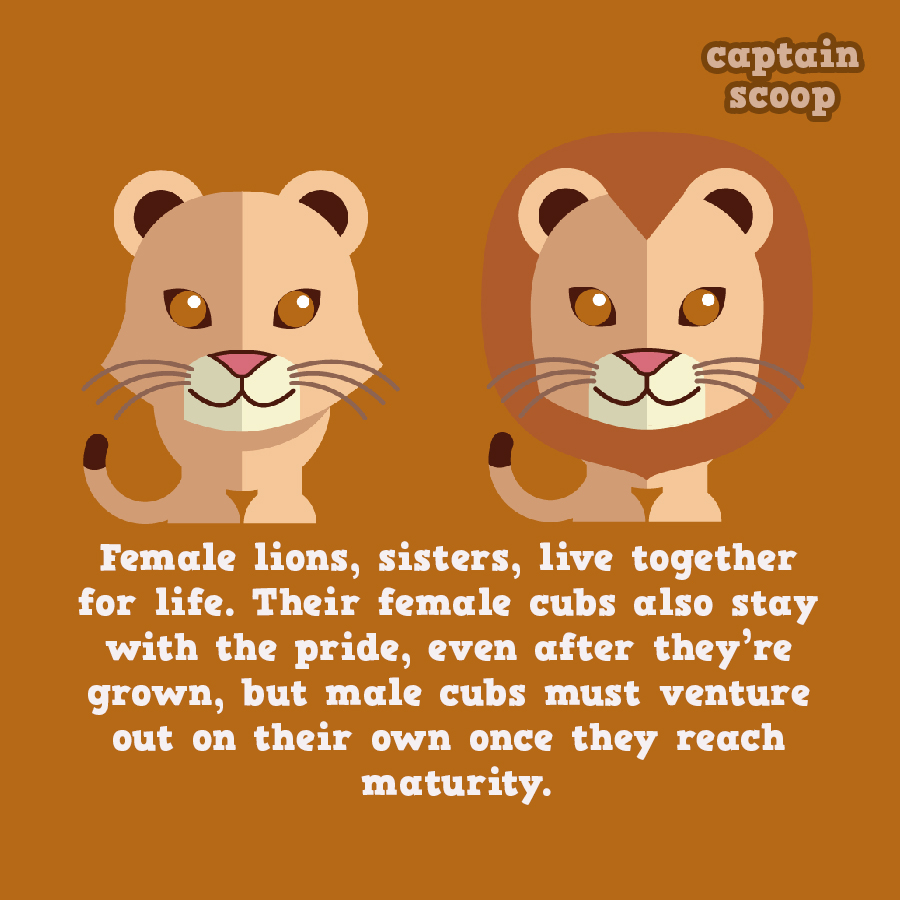
Animals have different social structures depending on their species. Some animals, like lions and chimpanzees, live in social groups called prides and troops, respectively. Others, like wolves and elephants, have a more hierarchical social structure.
Some Animals Have Unique Physical Features
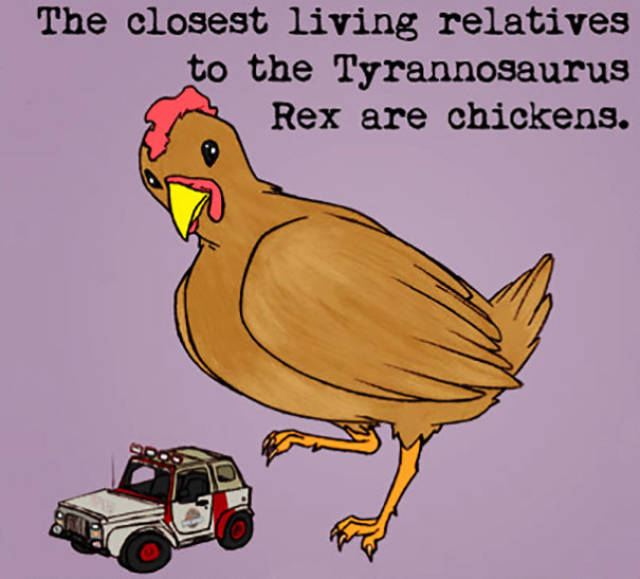
Some animals have unique physical features that make them stand out. For instance, the peacock has a colorful and elaborate tail that it uses to attract mates. The platypus has a duck-like bill and webbed feet, while the narwhal has a long, spiraled tusk protruding from its head.
Animals Have Different Intelligence Levels
Animals have different intelligence levels depending on their species. Some animals, like dolphins and chimpanzees, are known for their high level of intelligence and problem-solving skills. Others, like ants and bees, work together in colonies and exhibit a level of collective intelligence.
Conclusion
Animals are fascinating creatures that have unique characteristics and traits. They play a vital role in maintaining the balance of our ecosystem and help humans in many ways. It's essential to protect and conserve endangered species to ensure their survival and maintain the diversity of our planet's animal life.
Related video of Important Facts About Animals
The world is a diverse place, and this is reflected in the different ways we measure things. One such difference is between the Imperial system, used predominantly in the United States, and the Metric system, used in most of the rest of the world. While both systems have their advantages and disadvantages, it is important to understand the differences between them and how to convert between them.
What is the Imperial System?

The Imperial system, also known as the British Imperial system, is a system of measurement that was developed in the United Kingdom and was used by the British Empire and its colonies. The system is based on a number of units of measurement, including the foot, inch, yard, and mile, which are used to measure length or distance; the pound, which is used to measure weight; and the pint, which is used to measure volume.
What is the Metric System?

The Metric system, also known as the International System of Units, is a system of measurement that was developed in France in the late 18th century. It is based on a set of base units, including the meter, which is used to measure length or distance; the kilogram, which is used to measure weight; and the liter, which is used to measure volume. The Metric system is used in most countries around the world, including all of Europe, Asia, and South America.
Advantages of the Metric System

The Metric system has several advantages over the Imperial system. One of the most significant advantages is that it is much more consistent and easier to use. The Metric system is based on multiples of 10, which means that conversions between units are much simpler than in the Imperial system. Another advantage is that the Metric system is used in almost every country in the world, which makes it easier to communicate measurements across borders.
Disadvantages of the Metric System

While the Metric system has many advantages, it also has some disadvantages. One of the biggest disadvantages is that it is not widely used in the United States, which means that Americans may have difficulty understanding Metric measurements. Another disadvantage is that the Metric system is not as well-suited for certain types of measurements, such as those involving body weight or height. Finally, because the Metric system is based on multiples of 10, it can be difficult to use for certain types of calculations, such as those involving fractions or decimals.
How to Convert Between Imperial and Metric Systems
Converting between the Imperial and Metric systems can be a bit tricky, but it is an essential skill for anyone who needs to work with measurements. To convert between the two systems, you need to know the conversion factors for each unit of measurement. For example, to convert inches to centimeters, you need to know that 1 inch is equal to 2.54 centimeters.
Fortunately, there are many online conversion tools that can help you with this process. Simply enter the value you want to convert, select the unit of measurement you are starting with, and select the unit of measurement you want to convert to. The tool will then calculate the conversion for you.
Conclusion
While the Imperial and Metric systems have their advantages and disadvantages, it is important to understand the differences between them and how to convert between them. Whether you are traveling to a foreign country or working in a scientific field, the ability to work with both systems is essential.
Related video ofImperial System To Metric System

Big Ben is the nickname for the great bell of the clock at the north end of the Palace of Westminster in London. However, over time, the name also came to be used for the clock tower itself. The tower, officially known as Elizabeth Tower, is one of the most recognizable landmarks in the world, and it's no wonder why people are fascinated by images of Big Ben clock tower.
History of Big Ben Clock Tower

The clock tower was completed in 1859 and its clock was the largest and most accurate four-faced striking and chiming clock in the world. It was designed by the architect Augustus Pugin and the clockmaker Edward John Dent, and it took 13 years to build. The tower stands at 315 feet tall and has 11 floors.
Architecture of Big Ben Clock Tower
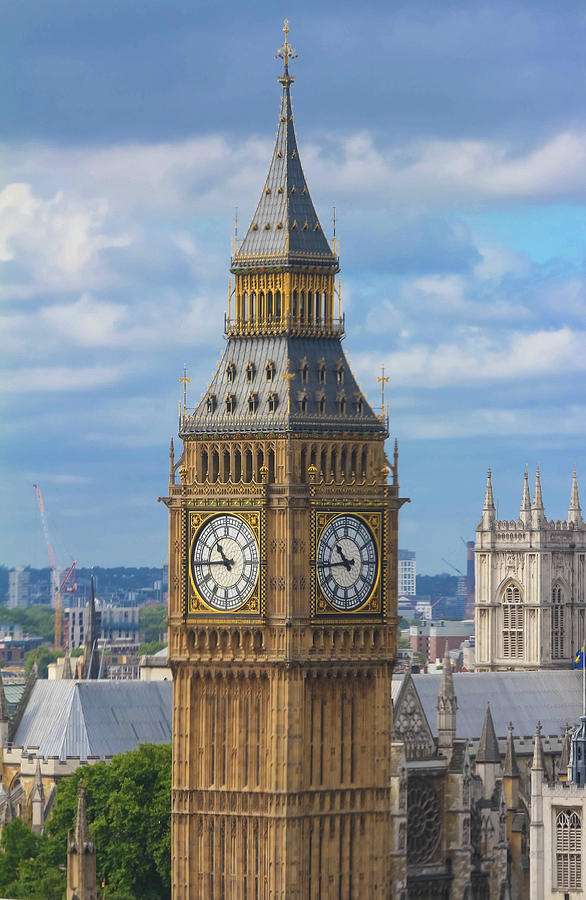
The tower is built in the Gothic Revival style, which was popular during the Victorian era. The tower features intricate stonework, pointed arches, and ornate carvings. The clock faces are made of cast iron and are 23 feet in diameter. The hands of the clock are made of copper and are over 14 feet long.
Big Ben Clock Tower at Night

One of the most stunning images of Big Ben clock tower is at night. The tower is lit up with beautiful lights that highlight its Gothic architecture. The clock faces are illuminated, making the tower a stunning sight to behold.
Big Ben Clock Tower Under Construction
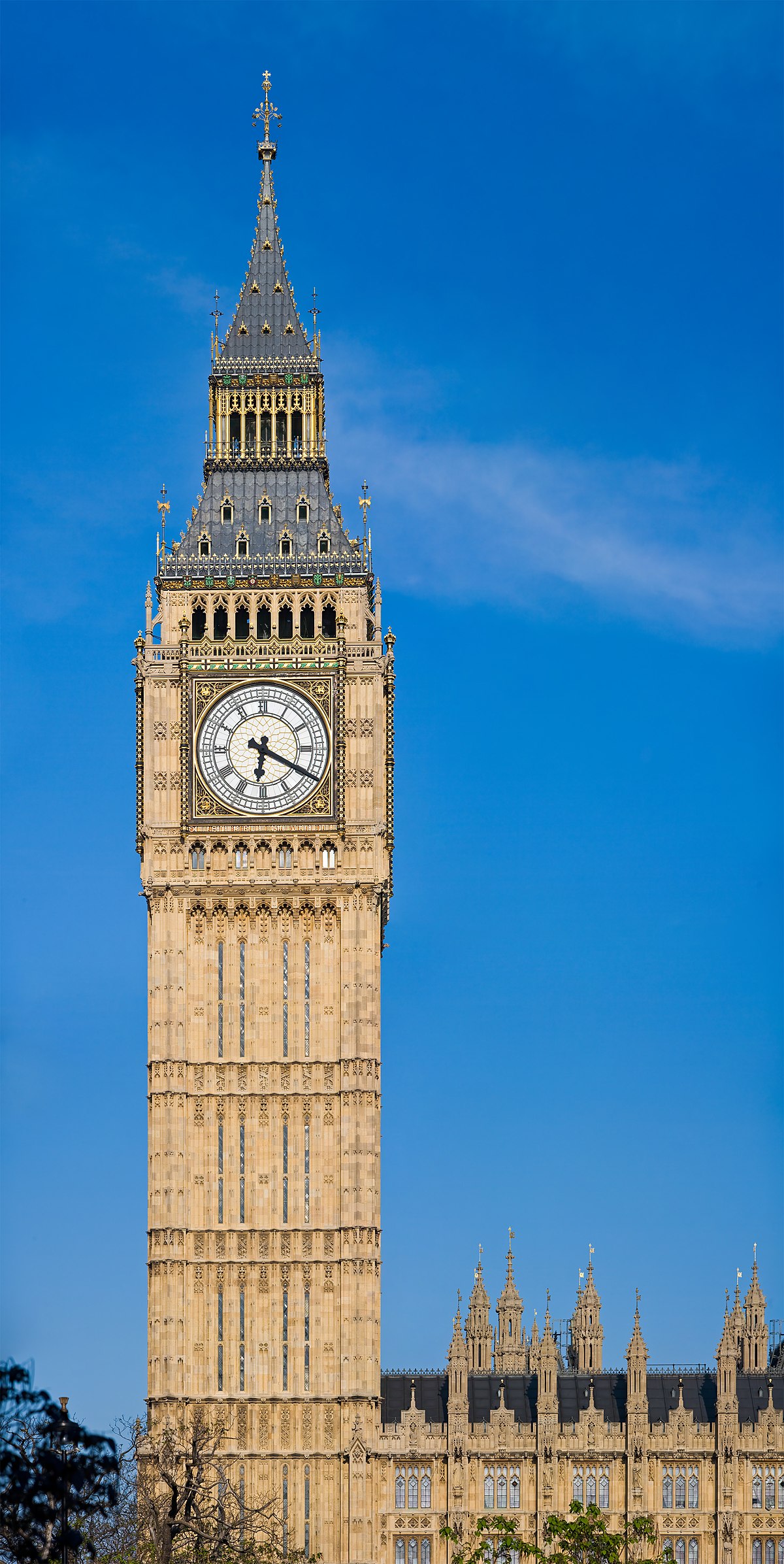
While it's rare to see Big Ben clock tower under construction, it's still an interesting sight. In 2017, the tower underwent an extensive renovation that included repairing the stonework, updating the clock faces, and replacing the bells. The renovation is expected to be completed in 2021.
Big Ben Clock Tower and the River Thames

One of the most iconic views of London is the Big Ben clock tower with the River Thames in the foreground. The tower and the river make for a stunning image, especially at sunset when the sky turns shades of orange and pink.
Visiting Big Ben Clock Tower
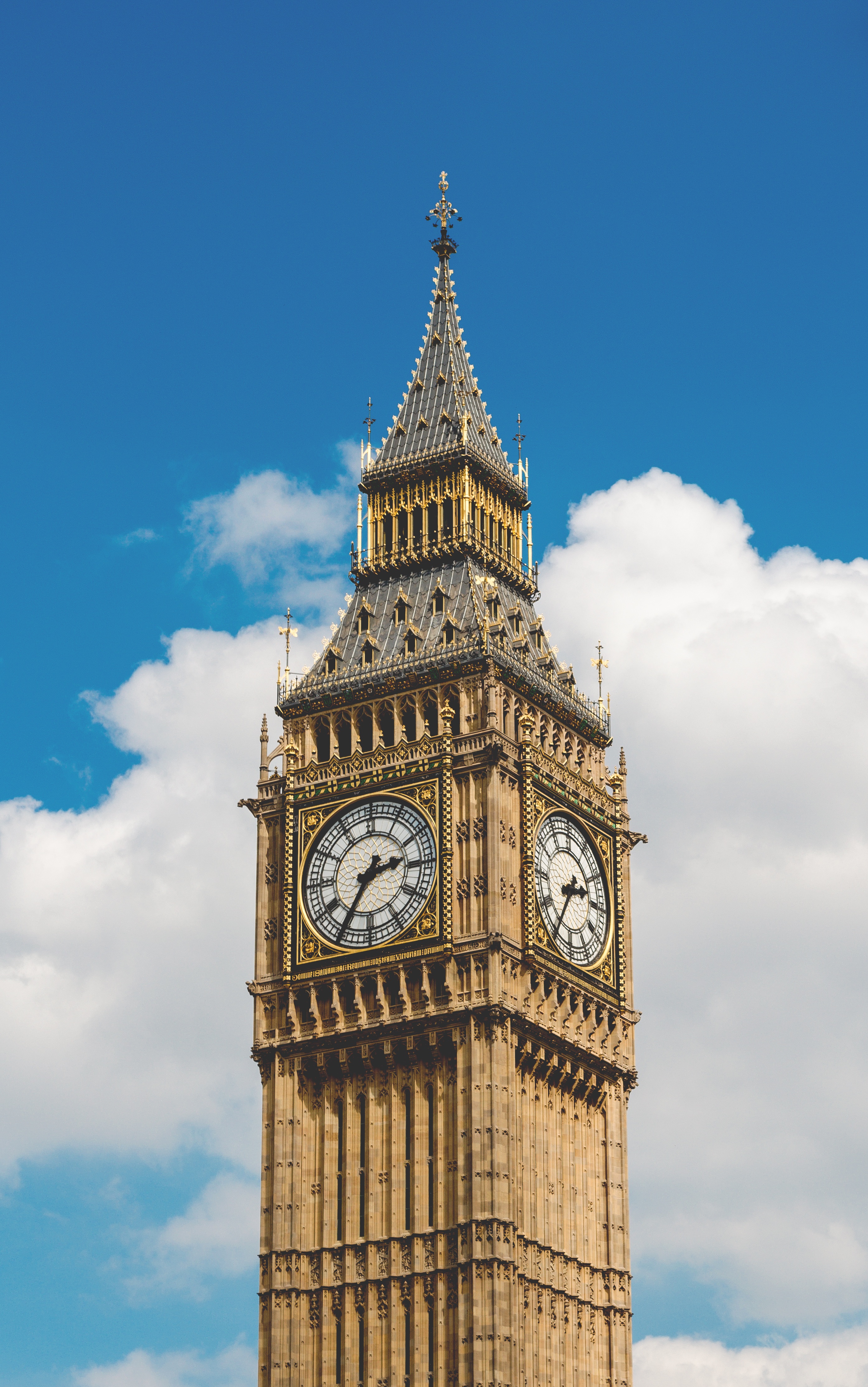
While visitors cannot go inside the tower, they can still get close enough to take pictures and admire its beauty. The tower is located in the heart of London, and there are plenty of great vantage points to take pictures from.
Big Ben Clock Tower and London Skyline

The Big Ben clock tower is a prominent feature of the London skyline. From many vantage points throughout the city, the tower can be seen rising above the other buildings. It's an iconic image that is often used to represent London in movies, TV shows, and other media.
Conclusion
Images of Big Ben clock tower are some of the most iconic and recognizable images in the world. The tower's Gothic architecture, massive clock faces, and beautiful lighting make it a stunning sight to behold. Whether you're visiting London or just admiring it from afar, Big Ben clock tower is a true masterpiece of engineering and design.