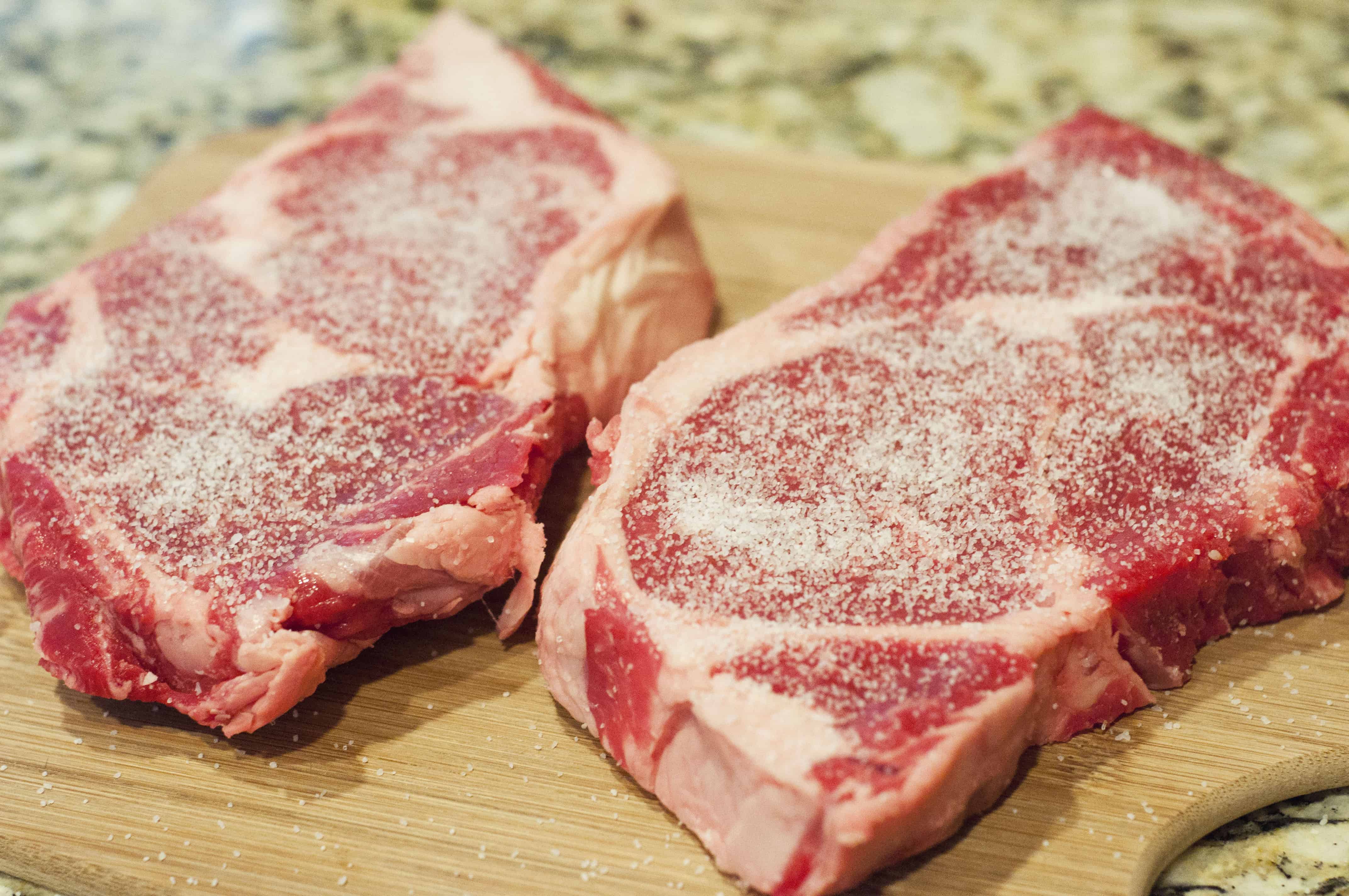
Salting meat is a time-honored tradition that has been used for centuries to preserve meat and enhance its flavor. The process of salting meat involves rubbing salt onto the surface of the meat, which draws out moisture and helps to kill bacteria.
Why Salt Meat?

Aside from preserving meat, salting also helps to enhance its flavor and make it more tender. The salt works by breaking down the protein molecules in the meat, which makes it more tender and flavorful. Additionally, salt helps to enhance the natural flavors of the meat and can be used to create a variety of different flavor profiles.
Types of Salt

When it comes to salting meat, there are several different types of salt that you can use. Some of the most popular types of salt include kosher salt, sea salt, and table salt. Kosher salt is a coarse-grained salt that is great for seasoning meat, while sea salt is a more expensive option that is often used for finishing dishes. Table salt is the most common type of salt and is usually fine-grained.
How to Salt Meat

When it comes to salting meat, there are two different methods that you can use: dry salting and wet salting. Dry salting involves rubbing salt onto the surface of the meat and letting it sit for a period of time, while wet salting involves soaking the meat in a saltwater solution.
Dry Salting
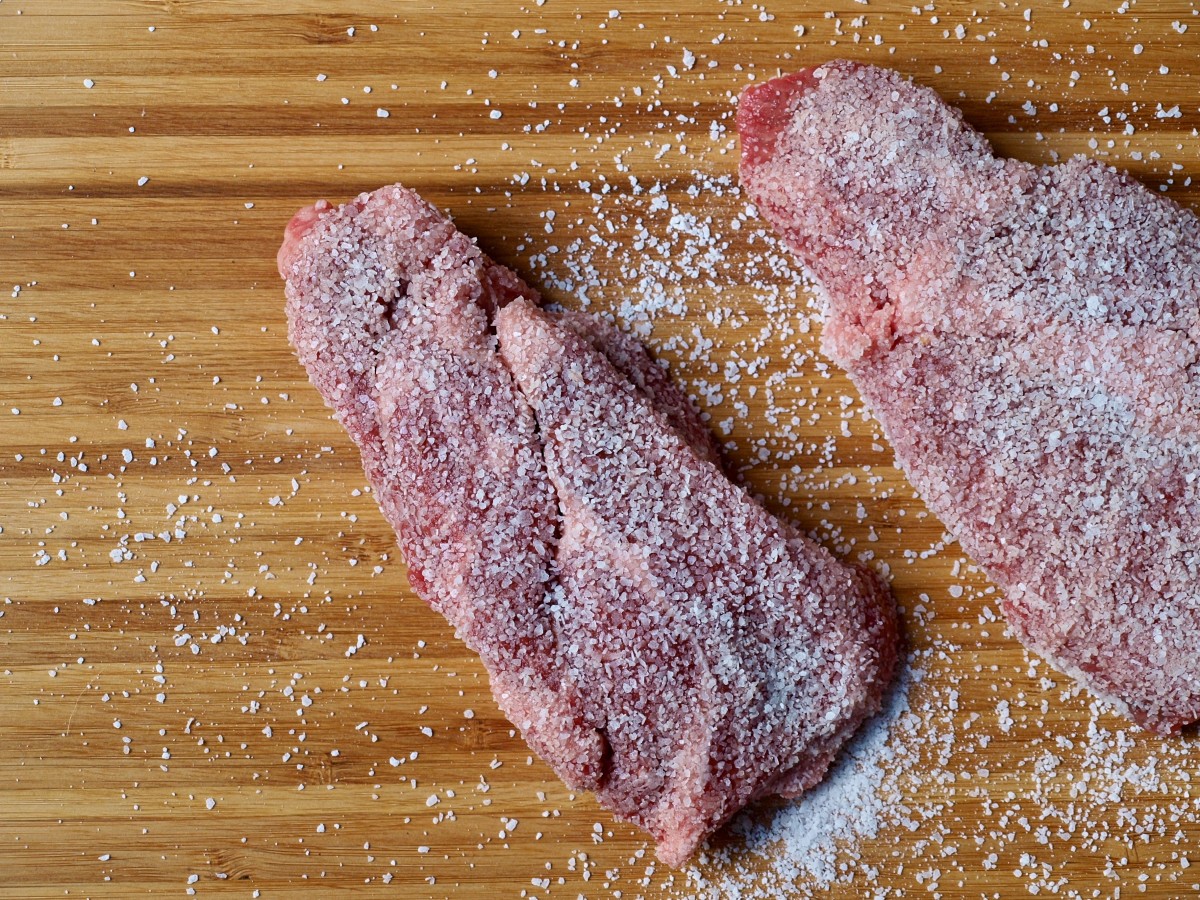
To dry salt meat, start by patting the meat dry with a paper towel. Next, sprinkle a generous amount of salt onto the surface of the meat and rub it in with your hands. Be sure to cover the entire surface of the meat with salt. Once the meat is fully coated in salt, place it on a wire rack set over a baking sheet and let it sit in the refrigerator for at least one hour, or up to 24 hours for a thicker cut of meat.
Wet Salting
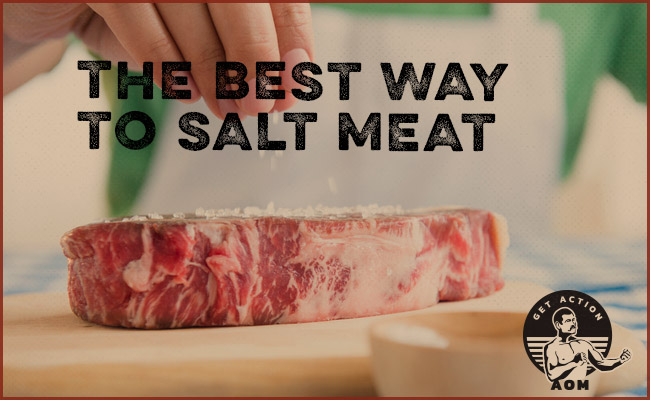
To wet salt meat, start by dissolving salt in water to create a brine solution. The ratio of salt to water should be about 1 tablespoon of salt per cup of water. Once the salt has dissolved, place the meat in a large bowl or container and pour the brine over the top. Be sure to fully submerge the meat in the brine. Let the meat soak in the brine for at least one hour, or up to 24 hours for a thicker cut of meat.
How Much Salt to Use

When it comes to salting meat, the amount of salt you should use will depend on the type of meat you are working with and your personal preference. As a general rule of thumb, you should use about 1/2 teaspoon of salt per pound of meat. For thicker cuts of meat, you may need to use more salt.
How Long to Salt Meat
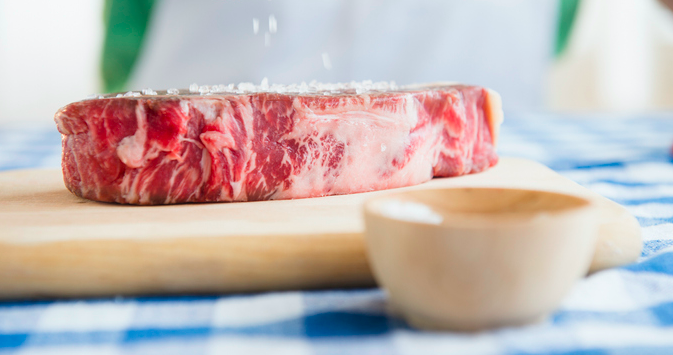
The amount of time you should salt meat will depend on the type of meat you are working with and the method you are using. For dry salting, you should let the meat sit in the refrigerator for at least one hour, or up to 24 hours for a thicker cut of meat. For wet salting, you should let the meat soak in the brine for at least one hour, or up to 24 hours for a thicker cut of meat.
How to Cook Salted Meat

When it comes to cooking salted meat, it's important to remember that the meat will already be seasoned from the salt. You may not need to add additional salt to the dish. Additionally, salted meat may cook faster than unsalted meat, so be sure to keep an eye on the cooking time.
Conclusion
Salting meat is a simple and effective way to preserve meat and enhance its flavor. Whether you prefer dry salting or wet salting, there are several different methods and types of salt that you can use to achieve the perfect flavor. By following these tips and tricks, you'll be able to create delicious and flavorful dishes that your family and friends will love.