
Bubble wrap is a packing material made of plastic sheets with air-filled bubbles. It is commonly used to protect delicate items during transport. Bubble wrap was invented by two engineers, Marc Chavannes and Alfred Fielding, in 1957.
Their Initial Idea
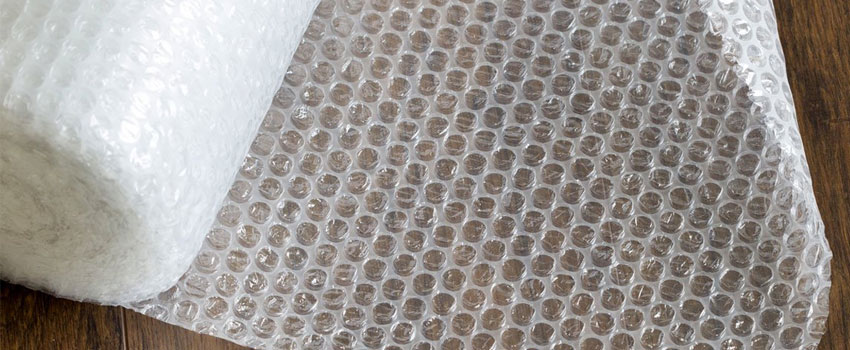
In 1957, Marc Chavannes and Alfred Fielding created a textured wallpaper by sealing two shower curtains together with air bubbles trapped inside. They thought that the textured wallpaper would be popular among people who wanted to add some texture to their walls. However, the textured wallpaper failed to gain popularity.
The Birth of Bubble Wrap

Despite the failure of their textured wallpaper, Chavannes and Fielding were not discouraged. They realized that the air bubbles trapped within the wallpaper could have other applications. They saw the potential of their creation as a packing material that could protect delicate items during transport.
Early Difficulties
Chavannes and Fielding decided to turn their textured wallpaper into a packing material, but they faced many difficulties. The air bubbles were not strong enough to withstand pressure, and the wallpaper was too thin to provide adequate protection for fragile items.
Improving the Design

Chavannes and Fielding worked tirelessly to improve their creation. They experimented with different types of plastic and different bubble sizes. They finally found the right combination of plastic and bubble size that made their creation strong enough to withstand pressure and provide adequate protection for fragile items.
Early Success
Chavannes and Fielding's creation was an instant success. IBM was their first customer, buying bubble wrap to protect their fragile computer equipment during transport. The popularity of bubble wrap quickly spread, and it became a staple in the packaging industry.
The Popularity of Bubble Wrap
Bubble wrap has become synonymous with packaging. It is used to protect delicate items during transport, and it is also used as a stress-relieving toy. The satisfying pop of the air bubbles has made bubble wrap a favorite among people of all ages.
The Future of Bubble Wrap
The future of bubble wrap is bright. With the increasing demand for eco-friendly packaging, manufacturers are looking for ways to make bubble wrap more environmentally friendly. Some companies are using recycled plastic to make bubble wrap, while others are experimenting with biodegradable materials.
Conclusion
Bubble wrap was invented by two engineers, Marc Chavannes and Alfred Fielding, in 1957. Their initial idea of creating a textured wallpaper failed, but they saw the potential of their creation as a packing material. They faced many difficulties in improving their design, but they finally found the right combination of plastic and bubble size that made their creation strong enough to withstand pressure and provide adequate protection for fragile items. The popularity of bubble wrap quickly spread, and it became a staple in the packaging industry. The future of bubble wrap is bright, with manufacturers looking for ways to make it more environmentally friendly.