Writing a family name may seem like a simple task, but there are many factors to consider. A family name is a significant part of one's identity and should be written with care and precision. Whether you are filling out official documents, addressing an envelope, or introducing someone, it is important to know how to write a family name properly.
Understand Cultural Differences

When it comes to writing family names, it is essential to understand cultural differences. In some cultures, the family name comes first, while in others, it comes last. For example, in Japan, the family name comes first, followed by the given name. In the United States and many other countries, the given name comes first, followed by the family name.
Know The Correct Spelling

It is important to know the correct spelling of a family name. Misspelling someone's name can be disrespectful and show a lack of attention to detail. If you are unsure of the spelling, ask the person to spell it for you or look it up in a reliable source.
Use Appropriate Titles

When addressing someone with their family name, it is important to use appropriate titles. For example, if you are addressing a doctor, you would use "Dr." followed by their family name. If you are addressing a married couple, you would use "Mr. and Mrs." followed by their family name.
Consider Gender and Marital Status
When writing a family name, it is important to consider gender and marital status. In some cultures, women may take their husband's family name when they get married, while in others, they may keep their family name. It is important to use the appropriate title and family name based on their gender and marital status.
Be Consistent

Consistency is key when it comes to writing family names. If you are addressing someone with their family name, be sure to consistently use their family name throughout the conversation or correspondence. If you are unsure of the appropriate way to address someone, ask them how they prefer to be addressed.
Use Proper Capitalization

When writing a family name, it is important to use proper capitalization. Family names should be capitalized, while titles and honorifics should not be capitalized unless they are the first word of a sentence.
Consider Cultural Sensitivity
Cultural sensitivity is important when it comes to writing family names. Some cultures may have specific naming conventions or traditions that should be respected. It is important to research and understand these cultural differences to avoid unintentional disrespect or offense.
Be Mindful of Hyphenated Names

Hyphenated family names can be tricky to write. When addressing someone with a hyphenated family name, be sure to use both parts of the name and capitalize the first letter of each part. For example, if someone's family name is "Smith-Jones," you would address them as "Mr. Smith-Jones."
Use Maiden Names Appropriately

When addressing women, it is important to use their maiden name appropriately. If a woman has taken her husband's family name, you would address her using her married name. However, if you are referencing a woman's previous work or achievements, it may be appropriate to use her maiden name.
Know The Order of Names

When writing family names, it is important to know the correct order of names. In some cultures, the family name comes first, while in others, the given name comes first. It is important to use the appropriate order of names based on the culture and context.
Be Respectful

When writing family names, it is important to be respectful. Using someone's family name inappropriately or disrespectfully can be offensive and show a lack of professionalism. Always use someone's family name with respect and consideration.
Use Proper Punctuation

Proper punctuation is important when writing family names. If you are addressing someone with their family name, be sure to use a comma between their title and family name. For example, you would write "Mr. Smith," not "Mr Smith."
Consider Cultural Pronunciation

Cultural pronunciation can be important when writing family names. Some family names may have specific pronunciations that should be respected. If you are unsure of the pronunciation of someone's family name, ask them to pronounce it for you or look it up in a reliable source.
Use Preferred Names

When addressing someone with their family name, it is important to use their preferred name. Some people may go by a different name than their given name or family name. Always ask someone how they prefer to be addressed and use their preferred name.
Use Formal Language When Appropriate

When writing family names in formal documents or correspondence, it is important to use formal language. This includes using appropriate titles, proper capitalization, and respectful language. Avoid using slang or casual language in formal settings.
Understand Nicknames and Abbreviations

Some family names may have common nicknames or abbreviations. When addressing someone with their family name, it is important to know these nicknames and abbreviations and use them appropriately. For example, the family name "Robertson" may be shortened to "Roberts" or "Rob."
Be Mindful of Cultural Sensitivity

Cultural sensitivity is important when it comes to writing family names. Some cultures may have specific naming conventions or traditions that should be respected. It is important to research and understand these cultural differences to avoid unintentional disrespect or offense.
Use Appropriate Formalities
When addressing someone with their family name, it is important to use appropriate formalities. This includes using appropriate titles and honorifics based on the person's gender, marital status, and professional status. For example, you would use "Mr." or "Ms." followed by their family name for a professional acquaintance.
Use Clear Handwriting

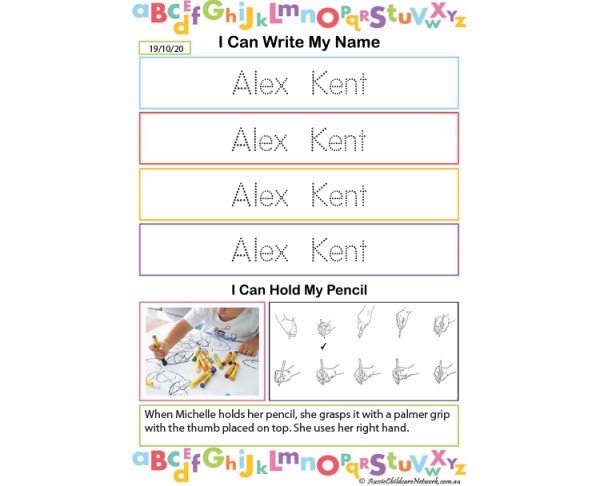
When addressing an envelope or filling out official documents, it is important to use clear and legible handwriting. This ensures that the family name is written correctly and can be easily read and understood.
Use Proper Grammar

Proper grammar is important when writing family names. This includes using appropriate punctuation, capitalization, and verb tense. Always proofread your writing to ensure that it is grammatically correct.
Be Consistent With Titles
Consistency is important when it comes to using titles with family names. If you are addressing someone with a specific title, be sure to use that title consistently throughout the conversation or correspondence. If you are unsure of the appropriate title to use, ask the person how they prefer to be addressed.
Conclusion
Writing a family name may seem like a simple task, but it requires attention to detail and cultural sensitivity. When addressing someone with their family name, it is important to use appropriate titles, proper capitalization, and respectful language. Always research and understand cultural differences to avoid unintentional disrespect or offense. By following these guidelines, you can write family names with confidence and respect.