
Honey is a natural sweetener that has been used for centuries. It is produced by bees from flower nectar and is known for its many health benefits. But, is eating honey bad for the environment? Let's take a closer look at the impact of honey production on the environment.
Honey Production and Beekeeping

The production of honey requires beekeeping, which involves the management and maintenance of beehives. Beekeeping has been practiced for thousands of years and is an essential agricultural activity that supports the pollination of crops.
However, beekeeping can have some negative impacts on the environment. For example, the use of pesticides and other chemicals in beekeeping can harm bees and other wildlife. Additionally, beekeeping can lead to the spread of diseases and parasites that can affect wild bee populations.
Impact on Bee Populations
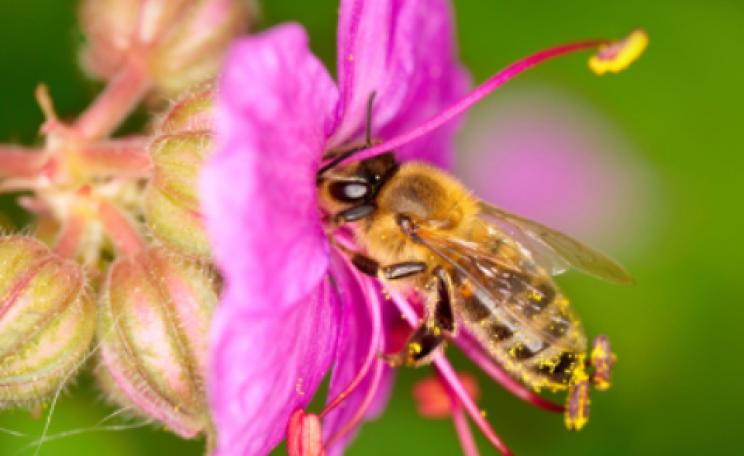
The decline in honeybee populations is a growing concern for both the environment and the agricultural industry. Honeybees are responsible for pollinating many crops, and their decline could have serious consequences for food production.
While the production of honey can support bee populations, it is important to ensure that beekeeping practices are sustainable and do not harm wild bee populations. This includes using non-toxic methods to control pests and diseases and avoiding the use of antibiotics in beekeeping.
Impact on the Ecosystem
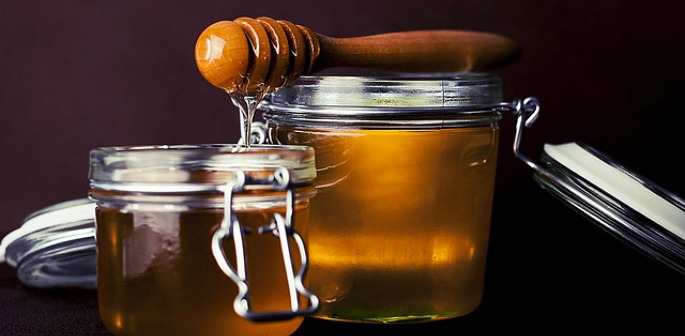
The impact of honey production on the ecosystem depends on the scale of the operation. Small-scale beekeeping can support local ecosystems by providing pollination services and supporting biodiversity. However, large-scale commercial beekeeping can have negative impacts on the environment.
Commercial beekeeping can lead to the overexploitation of natural resources, such as flower nectar and pollen. This can have a negative impact on the ecosystem and reduce the availability of food for wild bee populations.
Sustainable Honey Production

While the production of honey can have some negative impacts on the environment, it is possible to produce honey sustainably. Sustainable honey production involves using non-toxic methods for pest and disease control, avoiding the use of antibiotics, and ensuring that beekeeping practices do not harm wild bee populations.
Supporting sustainable beekeeping practices can also have positive impacts on local ecosystems by supporting biodiversity and providing pollination services to crops.
Conclusion
Eating honey can have some negative impacts on the environment, but these impacts can be mitigated through sustainable beekeeping practices. By supporting sustainable honey production, we can help to protect bee populations and support local ecosystems.