Introduction
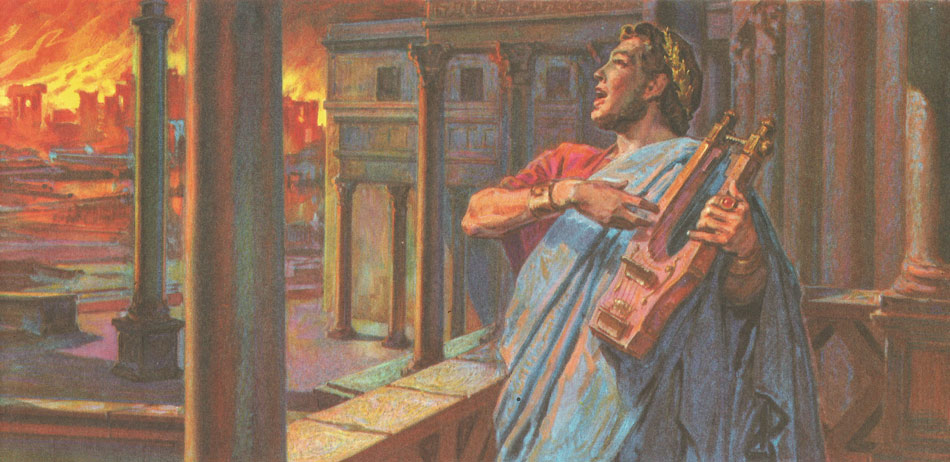
King Nero is a historical figure who is known for his tyrannical rule and notorious behavior. Among his many infamous acts, the burning of Rome stands out as one of the most significant events in his reign. The fire of Rome is an event that still captures the imagination of people worldwide, and it has become a symbol of destruction and chaos. In this article, we will delve deeper into the story of King Nero and the burning of Rome.
Who Was King Nero?

Nero Claudius Caesar Augustus Germanicus, commonly known as Nero, was a Roman emperor who ruled from 54 to 68 AD. He came to power at the age of 16 after the death of his stepfather, Emperor Claudius. Nero was known for his extravagant lifestyle, love of music and poetry, and his tendency towards cruelty and violence. He was the last emperor of the Julio-Claudian dynasty, which had ruled Rome for almost a century.
The Great Fire of Rome

The Great Fire of Rome started on July 18, 64 AD, and lasted for six days. The fire destroyed a significant portion of the city, including many of its most important buildings and landmarks. The flames spread quickly due to the city's narrow streets, high buildings, and the wind. The fire was so intense that it is said to have turned night into day, and the smoke could be seen from miles away.
Did Nero Burn Rome?

For centuries, there has been speculation that Nero himself started the fire. Some historians believe that Nero was responsible for the fire because he wanted to rebuild Rome in his own image. Others argue that the fire was started by accident, and Nero was not involved in any way. The truth is that we will never know for sure who started the fire, but Nero was blamed for it by the people of Rome.
The Blame Game

After the fire, Nero faced widespread criticism and anger from the people of Rome. To deflect blame from himself, Nero accused the Christians of starting the fire and began a brutal persecution of them. Many Christians were arrested, tortured, and killed, and their property was confiscated. This move only increased Nero's unpopularity, and he became known as a cruel and heartless leader.
The Aftermath

The aftermath of the Great Fire of Rome was devastating. The city was left in ruins, and thousands of people were homeless. Nero saw this as an opportunity to rebuild Rome in his own image and embarked on a massive building program. He built a palace that was larger than any previous emperor's residence and constructed a massive statue of himself in the city.
Nero's Legacy
/GettyImages-961329498-5c4e4102c9e77c00014afb37.jpg)
Nero's legacy is one of cruelty, extravagance, and ambition. He is known for his tyrannical rule, his persecution of Christians, and the burning of Rome. However, he also had a love of the arts and culture and was a patron of the arts. Nero's reign marked the end of the Julio-Claudian dynasty and the beginning of a period of turmoil and instability for Rome.
The End of Nero

Nero's reign came to an end in 68 AD when he was overthrown by a rebellion led by his own Praetorian Guard. He was declared a public enemy by the Senate and was forced to flee the city. Nero committed suicide the following year, and his death marked the end of the Julio-Claudian dynasty.
Conclusion
The burning of Rome is a significant event in history that has captured the imagination of people worldwide. While we may never know for sure who started the fire, Nero's name will forever be associated with it. Nero's reign marked the end of an era for Rome and the beginning of a new period of instability and turmoil. The legacy of Nero is one of cruelty, ambition, and extravagance, and his story continues to fascinate people to this day.