Kosher salt and iodized salt are two of the most commonly used types of salt in cooking. While they may look similar, they have different properties and uses in the kitchen. In this article, we will discuss the differences between kosher salt and iodized salt when it comes to brining.
Kosher Salt

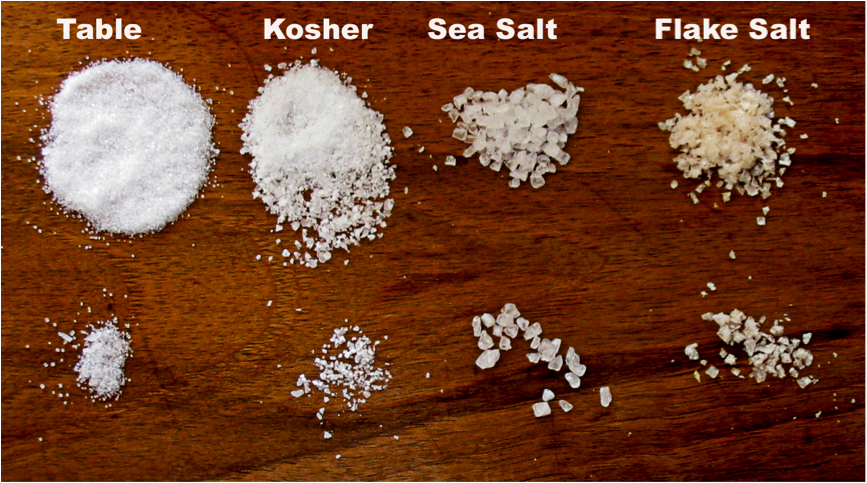
Kosher salt is a coarse-grained salt that is typically made without any additives. It is called kosher salt because it is used in the process of koshering meat, which involves drawing out blood from the meat. The larger grains of kosher salt make it ideal for drawing out moisture from meat, which is why it is commonly used in brines.
When it comes to brining, kosher salt is preferred because it dissolves easily in water, and its larger grains help it penetrate the meat more deeply. It also has a milder flavor compared to iodized salt, which means it won't overpower the flavors of the other ingredients in the brine.
Iodized Salt

Iodized salt is table salt that has been fortified with iodine. Iodine is an essential nutrient that is important for thyroid function. Iodized salt is typically fine-grained and dissolves easily in water. It is commonly used in cooking and baking.
When it comes to brining, iodized salt is not the ideal choice. The fine grains can make it difficult to dissolve completely in water, which can result in uneven brining. Additionally, the added iodine can give the brine a slightly metallic taste, which can affect the flavor of the meat.
Brining with Kosher Salt
When using kosher salt for brining, it is important to use the right amount. A good rule of thumb is to use 1 cup of kosher salt per gallon of water. This will give you a brine with a salt concentration of around 6%. You can also add other ingredients to the brine, such as sugar, herbs, and spices, to enhance the flavor of the meat.
When brining with kosher salt, it is important to make sure that the salt is fully dissolved in the water before adding the meat. This will ensure that the salt is evenly distributed throughout the brine. The meat should be fully submerged in the brine and refrigerated for the recommended amount of time.
Brining with Iodized Salt

If you must use iodized salt for brining, it is important to use a little less than you would with kosher salt. A good rule of thumb is to use 3/4 cup of iodized salt per gallon of water. This will give you a brine with a salt concentration of around 4.5%. You can also add other ingredients to the brine, but keep in mind that the added iodine may affect the flavor of the meat.
When brining with iodized salt, it is important to make sure that the salt is fully dissolved in the water before adding the meat. You may need to heat the water slightly to help the salt dissolve more easily. The meat should be fully submerged in the brine and refrigerated for the recommended amount of time.
The Bottom Line

When it comes to brining, kosher salt is the preferred choice due to its larger grains and milder flavor. However, if you must use iodized salt, be sure to use a little less and make sure it is fully dissolved in the water before adding the meat. Whichever type of salt you choose, be sure to follow the recommended brining time for the best results.