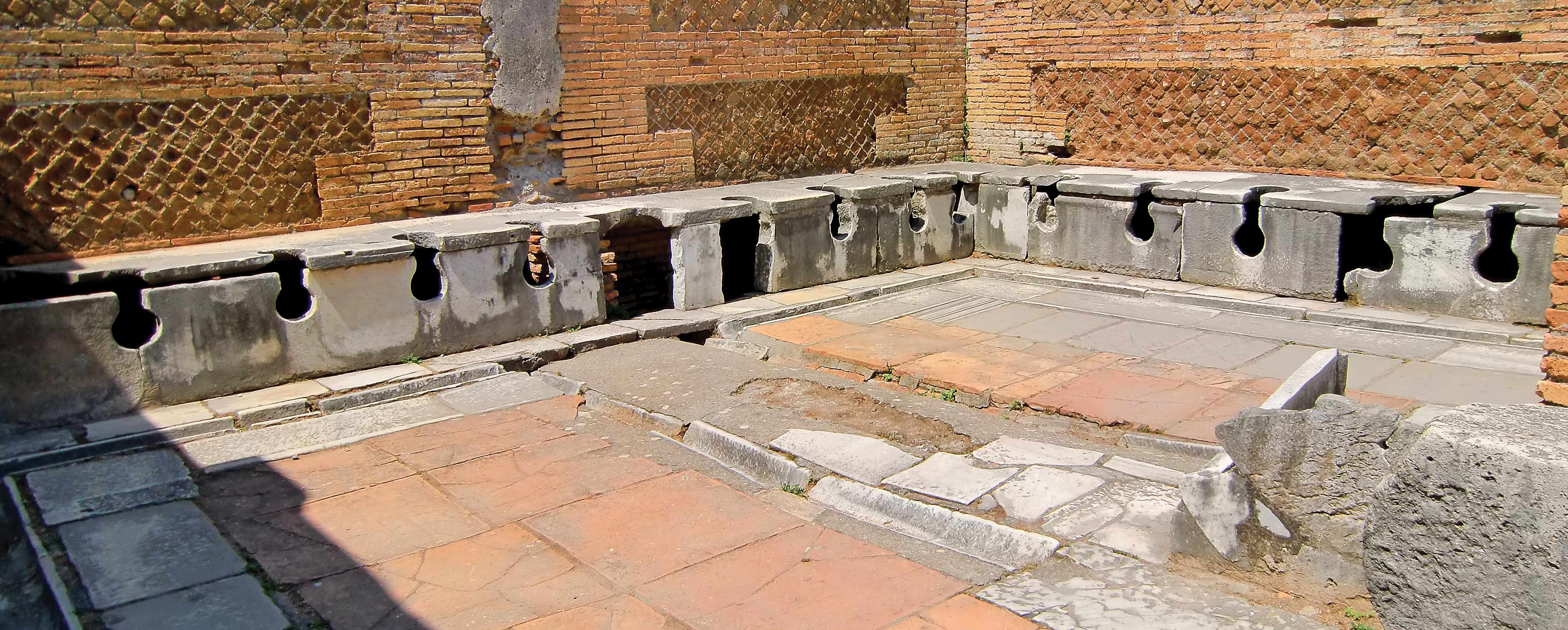
A latrine is a simple structure or system that is designed to contain and dispose of human waste. It is usually a small building or pit that is used as a toilet, and it may be located inside or outside of a home or other building. Latrines are commonly used in areas where there is no access to a modern sewage system or where there is a lack of sanitation facilities.
Types of Latrines

There are various types of latrines, including pit latrines, bucket latrines, trench latrines, and composting latrines. Pit latrines are the most common type and consist of a hole in the ground that is lined with a material such as brick, concrete, or plastic. Bucket latrines are similar to pit latrines, but waste is collected in a bucket that is then emptied periodically. Trench latrines are long, narrow trenches that are dug into the ground, and composting latrines use natural processes to break down waste into compost.
History of Latrines

The use of latrines dates back thousands of years, and they have been used in various forms throughout history. The ancient Romans and Greeks used public latrines that were connected to a sewage system. During the Middle Ages, latrines were often located in castle towers and were called "garderobes." In the 19th century, the development of modern sanitation systems led to a decline in the use of latrines in urban areas.
Importance of Latrines
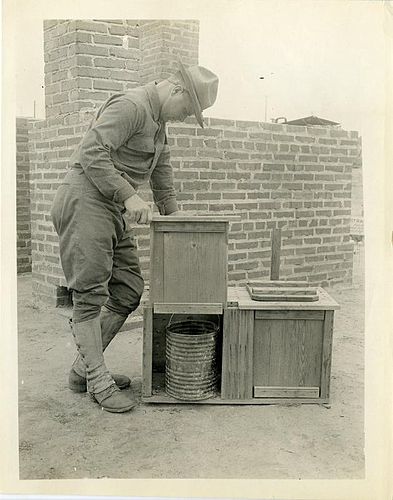
Latrines are important for maintaining public health and preventing the spread of disease. They provide a safe and hygienic way to dispose of human waste, which can contain harmful bacteria and viruses. In areas where there is no access to modern sanitation facilities, latrines can help to reduce the risk of water contamination and the spread of diseases such as cholera and dysentery.
Proper Use and Maintenance of Latrines

Proper use and maintenance of latrines is essential for their effectiveness and longevity. Users should follow basic hygiene practices, such as washing their hands with soap and water after using the latrine, to prevent the spread of disease. Regular maintenance, such as emptying the pit or replacing the lining material, is also necessary to ensure that the latrine continues to function properly.
Challenges and Solutions

Despite their importance, latrines face several challenges. In many areas, there is a lack of awareness about the importance of sanitation, and people may not use or maintain latrines properly. In addition, the cost of constructing and maintaining latrines can be a barrier for some communities. To address these challenges, organizations and governments are working to increase awareness about sanitation and provide support for latrine construction and maintenance.
Conclusion
Latrines are a simple but essential component of public health and sanitation. They provide a safe and hygienic way to dispose of human waste and can help to prevent the spread of disease. Proper use and maintenance of latrines are necessary to ensure their effectiveness, and addressing challenges such as lack of awareness and cost can help to increase access to this important sanitation facility.